Washington, D.C., December 4, 2025 – A bipartisan group of U.S. senators has introduced legislation aimed at preventing President Donald Trump from easing restrictions on the sale of advanced artificial intelligence (AI) chips to China. The bill, known as the SAFE CHIPS Act, also covers AI chip exports to Russia, Iran, and North Korea, reflecting concerns over national security and global technology competition.
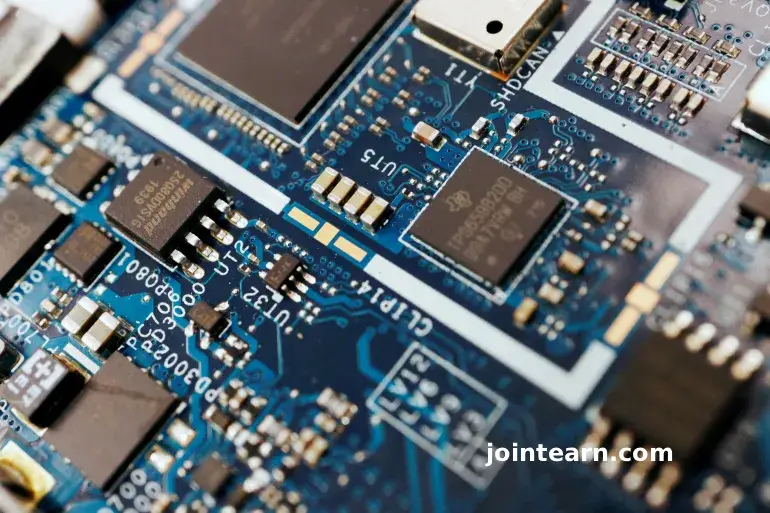
![Semiconductors on a circuit board. Photo: Florence Lo/Reuters]
Details of the SAFE CHIPS Act
Filed on Thursday by Republican Senator Pete Ricketts and Democratic Senator Chris Coons, the legislation would:
- Block license approvals for AI chip sales to China, Russia, Iran, and North Korea for 30 months.
- Require the U.S. Commerce Department to brief Congress on any proposed changes to export rules one month before implementation.
- Prevent the Trump administration from loosening export restrictions on advanced AI chips, including Nvidia’s H20 and H200 models, without congressional oversight.
Senator Ricketts emphasized the stakes:
“Denying Beijing access to [the best U.S.] AI chips is essential to our national security.”
The bill is co-sponsored by Republican Dave McCormick and Democrats Jeanne Shaheen and Andy Kim, highlighting bipartisan concern over AI technology proliferation.
Background: U.S.-China AI Chip Tensions
The Trump administration previously imposed and then rolled back curbs on Nvidia’s H20 AI chips amid escalating tensions over China’s rare earth export restrictions, which global tech companies rely on for production. Critics, including Republican Representative John Moolenaar, argued that the rollback weakened U.S. tech security.
Trump also delayed implementation of a Biden-era rule restricting AI chip exports to blacklisted Chinese companies and signaled potential relaxation of export rules globally. The SAFE CHIPS Act directly responds to these policy shifts, aiming to maintain tight U.S. control over high-performance AI chips that could enhance China’s military capabilities and intelligence-gathering infrastructure.
National Security and AI Concerns
Advanced AI chips like Nvidia’s H200 can be used for:
- AI-powered weapons systems
- Military intelligence and surveillance
- Advanced computing for research and defense applications
China hawks in Washington have repeatedly warned that exporting such chips could accelerate Beijing’s military modernization, giving it a strategic advantage in AI-driven warfare.
The SAFE CHIPS Act represents a rare case where members of Trump’s own party have sought to restrain the president’s trade and technology policies, reflecting bipartisan anxiety over U.S. competitiveness and national security in the AI sector.
Next Steps
The bill is expected to move through the Senate Commerce Committee before potential consideration by the full Senate. If passed, it would enforce strict oversight over AI chip exports for more than two years, requiring close coordination between Congress and the Commerce Department.
Analysts suggest that the legislation could influence ongoing U.S.-China negotiations, particularly as Beijing attempts to impose its own controls on rare earth metals, critical for AI chip production and other high-tech industries.
The SAFE CHIPS Act underscores the increasing strategic importance of AI technology in global geopolitics and highlights growing congressional scrutiny of executive decisions regarding tech exports.


Leave a Reply