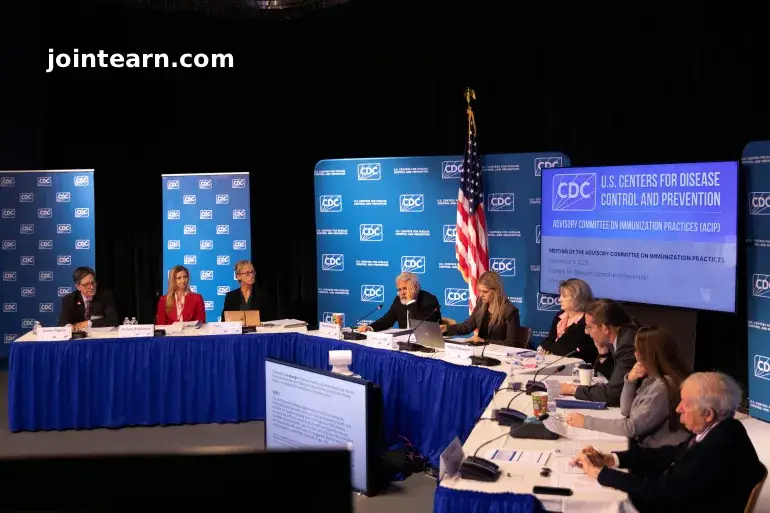
Atlanta, Georgia – December 5, 2025 – In a controversial move, the Advisory Committee on Immunization Practices (ACIP), the leading US vaccine advisory panel, voted to remove its long-standing recommendation that newborn babies receive the hepatitis B vaccine. The decision, passed by an eight-to-three vote, marks a dramatic shift in federal guidance and has provoked immediate backlash from medical experts, pharmaceutical companies, and public health advocates.
ACIP Alters Hepatitis B Vaccine Guidance
The new guidance no longer universally recommends that infants receive the hepatitis B vaccine shortly after birth. Instead, parents with no history of hepatitis B are now advised to consult their healthcare providers to determine whether their child should receive the shot. Children born to mothers infected with hepatitis B remain eligible for immediate vaccination, as per the panel’s retained recommendations.
Medical professionals have quickly criticized the decision, warning that it may reduce vaccine coverage, leaving infants vulnerable to hepatitis B infection and its severe long-term consequences. Michael Osterholm, director of the University of Minnesota’s Center for Infectious Disease Research and Policy, called the change “a defining moment for our country,” emphasizing that decades of data confirm the vaccine’s safety and effectiveness.
“This decision will result in more hepatitis B infections and more people suffering from chronic liver disease,” Osterholm said, urging parents and clinicians to consider the scientific evidence over ACIP’s revised guidance.
Understanding Hepatitis B
Hepatitis B is a highly contagious virus transmitted through bodily fluids. Globally, around 1.2 million new infections occur each year, leading to approximately 1.1 million deaths annually, according to the World Health Organization. The virus can cause chronic liver disease, cirrhosis, and liver cancer, significantly reducing life expectancy if untreated.
The hepatitis B vaccine, available since the 1980s, provides long-lasting protection, typically administered in a three-dose schedule. Previously, the CDC recommended giving the first dose within 24 hours of birth for healthy infants and within 12 hours for babies born to infected mothers. Premature or underweight infants were advised to wait one month before the initial dose. The final dose was scheduled before 18 months of age.
Shift in Federal Vaccine Policy
The ACIP decision is the latest in a series of vaccine-related changes under Secretary of Health and Human Services Robert F. Kennedy Jr., whose leadership has sparked criticism from public health authorities. Kennedy, a known vaccine skeptic, has previously challenged conventional vaccine guidance and altered policies on COVID-19 and mRNA vaccine research.
Since taking office under President Donald Trump’s second-term cabinet, Kennedy has reshaped the ACIP panel, dismissing 17 members and appointing new figures, some of whom have limited research experience and express vaccine skepticism. Kennedy defended the overhaul, stating it restored the panel’s independence and prioritized public trust.
Despite these changes, the ACIP vote on hepatitis B vaccination was divided, with three members opposing the reversal. Pediatrics professor Cody Meissner emphasized the ethical responsibility to “do no harm,” criticizing the new guidance for potentially endangering infants.
Public Health Concerns
Healthcare organizations and industry groups have expressed alarm over the decision. The American Pharmacists Association warned that removing or delaying the hepatitis B birth dose could jeopardize the lives of newborns, stressing that no new evidence justifies altering decades of established guidance.
Former CDC director Thomas Frieden urged clinicians, state health departments, and insurers to advocate for evidence-based care. “Now obstetricians, pediatricians, insurers, state health departments, and others should stand up for fact-based care, protect our children, and not accept this misguided and dangerous recommendation,” he stated.
Next Steps
The ACIP recommendation is not yet final. It will be reviewed by CDC Director Jim O’Neill, whose approval is required to make the policy official. Meanwhile, public health experts stress that parents should consult pediatricians and consider the longstanding safety and efficacy of the hepatitis B vaccine when making vaccination decisions for their children.
The controversy highlights broader debates over vaccine policy in the United States, raising concerns about political influence in public health decisions and the potential consequences for infant immunization rates nationwide.


Leave a Reply