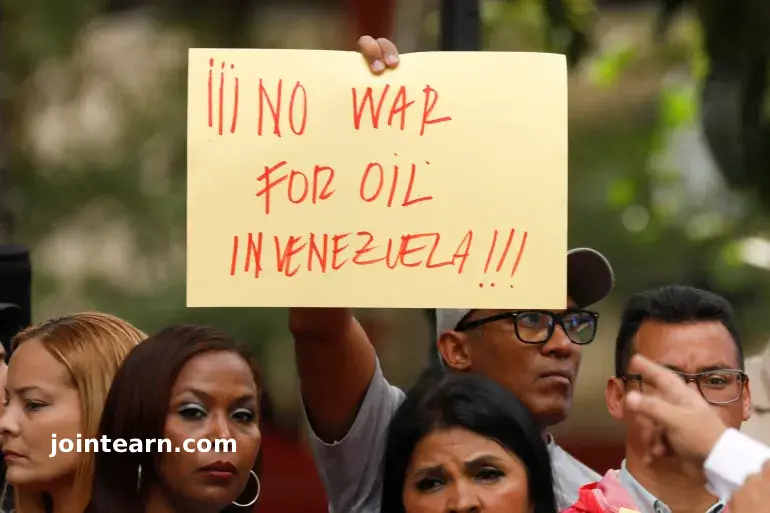
Rising US-Venezuela Tensions Spark Regional Concern
Leaders across Latin America and the United Nations have expressed deep concern over escalating tensions between the United States and Venezuela, triggered by disputes over oil exports. The conflict has intensified following US President Donald Trump’s threats of a total blockade on Venezuelan oil tankers, prompting Venezuela’s National Assembly to convene urgent discussions.
Petroleum exports remain the backbone of Venezuela’s economy, and experts warn that any disruption could severely destabilize the country and undermine President Nicolas Maduro’s government. Analysts also highlight the potential for heightened regional instability if military confrontations escalate.
UN Calls for Peace and De-escalation
UN Secretary-General Antonio Guterres emphasized the importance of calm, urging both nations to comply with international law. Through UN spokesperson Farhan Haq, Guterres stated that both the US and Venezuela must act to safeguard peace in the region.
Guterres personally spoke with Maduro by phone, reiterating the need for diplomatic engagement rather than military escalation. The UN’s appeal comes amid increased US military activity in the Caribbean and corresponding troop deployments by Venezuela.
Mexico and Brazil Step Forward
Mexican President Claudia Sheinbaum called for stronger UN involvement, questioning whether preventive measures are sufficient to avoid a full-scale conflict in the Americas. In a morning news conference, Sheinbaum stated:
“We call for dialogue and peace, not intervention. The UN must assume its role to prevent any bloodshed.”
Meanwhile, Brazilian President Luiz Inácio Lula da Silva voiced concern over Trump’s approach and offered Brazil’s mediation services. Having restored diplomatic relations with Venezuela in 2022, Lula highlighted the importance of diplomacy over military action:
“The power of words can be worth more than the power of weapons. It costs less and takes less time if you are willing to do it.”
Lula also urged patience and open communication between the US and Venezuela, emphasizing Brazil’s capacity to facilitate negotiations.
Trump’s Escalating Actions
President Trump recently declared Maduro’s government a “foreign terrorist organization” and threatened a total blockade of all sanctioned oil tankers entering or leaving Venezuela. On his platform Truth Social, Trump warned that the US military presence in the Caribbean represents the largest armada in South American history, designed to exert unprecedented pressure on Maduro.
In addition to sanctions, Trump has offered a $50 million bounty for information leading to Maduro’s arrest. Approximately 15,000 US troops, along with military jets and the USS Gerald Ford, the world’s largest aircraft carrier, have been deployed to the region.
Earlier this month, a Venezuelan oil tanker was seized by the US, with its cargo confiscated. These aggressive actions are part of Trump’s “maximum pressure” campaign, which critics argue is being used to expand presidential powers under the guise of confronting Maduro.
Regional and International Implications
The escalating US-Venezuela crisis threatens to destabilize Latin America, with potential repercussions including:
- Economic disruption: Venezuela’s oil-dependent economy faces significant risks from a blockade.
- Military escalation: Increased troop movements heighten the potential for conflict in the Caribbean.
- Diplomatic strain: Regional leaders are concerned that US actions may undermine peace efforts and international law.
UN experts have criticized US attacks on maritime vessels, which have killed an estimated 95 people, as potential extrajudicial killings, raising concerns about compliance with international legal standards.
Calls for Mediation and Dialogue
Regional leaders continue to advocate for diplomatic solutions. Both Sheinbaum and Lula emphasize that peaceful negotiation and mediation are preferable to military confrontation. Brazil has offered its resources to mediate discussions, highlighting the importance of patience, dialogue, and respect for sovereignty.
The UN, Latin American governments, and civil society actors stress that avoiding armed conflict is critical to protecting regional stability and preventing a humanitarian crisis in Venezuela.
Conclusion
The US-Venezuela standoff over oil exports has become a flashpoint for regional tensions, drawing the attention of Latin American leaders and the United Nations. With military deployments increasing and economic sanctions threatening Venezuela’s stability, diplomatic intervention and mediation remain the most viable path forward. The coming weeks will be decisive in determining whether dialogue prevails over confrontation in one of Latin America’s most volatile crises.


Leave a Reply