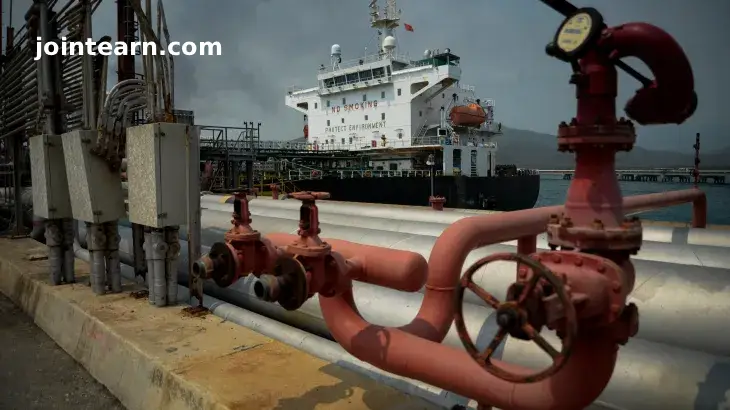
Caracas, Venezuela – Venezuela’s oil exports have fallen sharply after the United States seized the Skipper oil tanker off the country’s coast and imposed new sanctions on shipping companies linked to Caracas. The seizure has effectively halted tanker movements in Venezuelan waters, raising fears of a severe economic impact.
Tanker Seizures and Export Freeze
The Skipper tanker seizure marks the first US capture of Venezuelan oil cargo since sanctions were first imposed in 2019. With threats of additional seizures, tankers carrying around 11 million barrels of oil and fuel are now reluctant to leave Venezuelan ports.
Only US-chartered Chevron vessels have continued operations, exporting Venezuelan crude under joint ventures with state-run PDVSA. Chevron confirmed it shipped two cargoes of heavy crude to the US following the Skipper seizure.
US Military Pressure
The US has increased its military presence in the Caribbean, signaling potential efforts to remove President Nicolas Maduro. US President Donald Trump warned that his forces are ready to conduct land strikes against alleged drug trafficking targets in Latin America, after reportedly stopping 96% of drugs trafficked by sea.
The US has also sanctioned six shipping companies, six vessels, and three relatives of Maduro, while offering $50 million for his capture, labeling him the leader of the “Cartel of the Suns.”
Venezuela’s Response
Venezuelan authorities have condemned the actions as “international piracy” and formally complained to the International Maritime Organization. Vice President Delcy Rodriguez said the seizures are illegal and not genuinely related to drug enforcement, warning that the disruption could trigger shortages of food, medicine, and other imports.
Before the Skipper seizure, Venezuela exported roughly 952,000 barrels per day, with about 80% destined for China. Experts warn the export freeze could push the country into a deep economic crisis, affecting the foreign exchange market and essential imports.


Leave a Reply