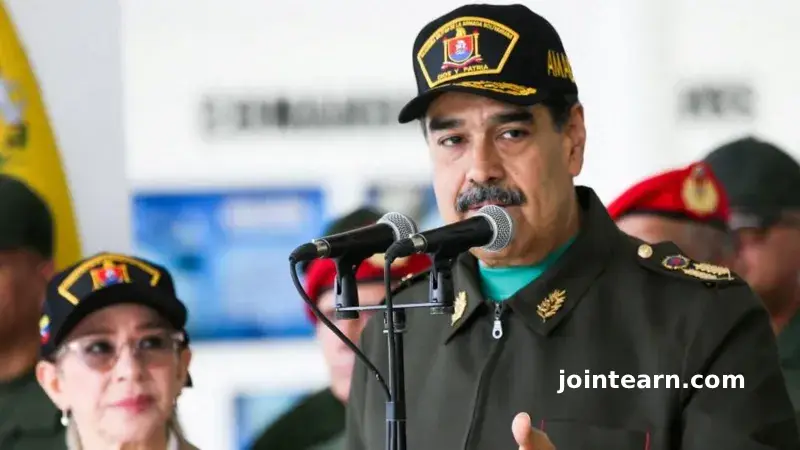
Caracas, Venezuela — Venezuelan President Nicolás Maduro has signaled willingness to engage in dialogue with the United States on issues including drug trafficking, oil exports, and migration, amid escalating tensions between Washington and Caracas.
In an interview with Venezuelan state television on Thursday, Maduro emphasized that he is prepared for talks “wherever they want and whenever they want”, opening the door to potential negotiations after weeks of heightened US pressure.
“We are open to dialogue,” Maduro said, without confirming or denying reports of a recent US strike inside Venezuela. “This could be something we talk about in a few days.”
Context: US Strikes and Anti-Narcotics Operations
The statement comes after months of US military actions targeting vessels suspected of smuggling drugs through the Caribbean and eastern Pacific.
- Since September 2, 2025, the Trump administration has carried out more than 30 strikes on suspected drug vessels, resulting in over 110 casualties.
- On Wednesday, two boats allegedly carrying drugs were hit, killing five people, according to US military reports.
- On Monday, President Trump claimed that the US carried out a strike on a dock area in Venezuela, reportedly the first such operation inside the country. US media outlets, including CNN and the New York Times, cited sources indicating the strike involved CIA drone operations.
While Maduro was asked directly about this dock strike, he declined to confirm, stating only that it could be addressed in upcoming discussions.
Maduro’s Stance on US Allegations
Maduro has consistently denied US accusations that he is personally involved in drug trafficking or that his government functions as a cartel.
- He described Washington’s “war on drugs” as a pretext for regime change and attempts to seize Venezuela’s oil reserves.
- The Trump administration has accused Maduro of facilitating migration by “emptying prisons and insane asylums” and has also offered a reward for information leading to his capture, while considering designating his government as a Foreign Terrorist Organization (FTO).
Experts note that Venezuela is largely a transit country in the global drug trade, with most illicit cocaine originating from neighboring Colombia, the world’s largest producer.
Broader Issues: Oil and Migration
Beyond drug trafficking, Maduro expressed willingness to discuss:
- Oil shipments: Following the seizure of multiple Venezuelan oil tankers by US forces, Maduro denounced these actions as “acts of international piracy.”
- Migration: Close to eight million Venezuelans have fled the country since 2013 due to economic collapse and political repression, some moving to the United States.
The Trump administration maintains that the strikes on oil and drug shipments are part of counter-narcotics and sanctions enforcement. However, legal experts have questioned whether the actions constitute a violation of international law, since the US has not provided independent evidence that the targeted vessels were transporting drugs.
Potential for Dialogue
Maduro’s openness to talks represents a potential thaw in US-Venezuelan relations, which have been strained for years over allegations of corruption, drug trafficking, and human rights abuses. Analysts suggest that dialogue could:
- Address drug trafficking routes in the Caribbean
- Clarify the legality and future of oil sanctions
- Mitigate tensions and risk of military escalation
However, US-Venezuela relations remain tense, with both sides wary of concessions and international scrutiny.


Leave a Reply