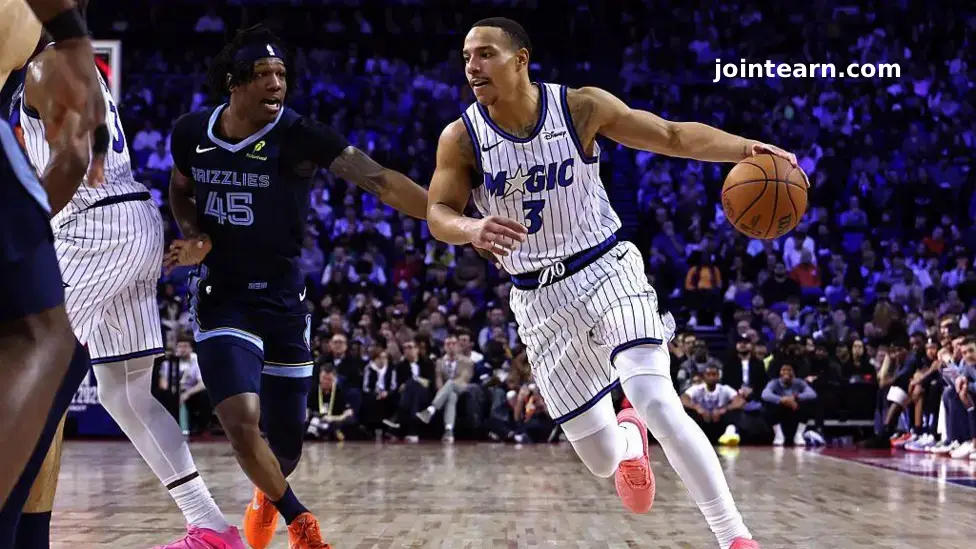
London hosted its 10th regular-season NBA game on Sunday as the Memphis Grizzlies defeated the Orlando Magic 126-109. The match concluded a European double-header that began three days earlier in Berlin, highlighting the NBA’s growing focus on Europe. While the spectacle excited fans, the event also raised questions about the future of British basketball in the context of the league’s long-term European ambitions.
NBA Europe: A Potential Game-Changer
The NBA is working on plans for an independent European league under the working title “NBA Europe”, which could launch within the next two years. Initial proposals suggest:
- 12–16 teams from existing basketball clubs, newly formed sides, and possibly football clubs.
- Promotion and relegation systems, integrating European basketball structures.
- Key host cities include London, Manchester, Paris, and Berlin, each slated to host regular-season NBA matches between 2026 and 2028.
NBA commissioner Adam Silver described the league as a “decade-long project”, emphasizing that London could serve as a model city given its infrastructure, O2 Arena, and cultural connections with the US.
“We know that here in London, in many ways, we think this market is tastemakers for much of Europe,” Silver said.
“The O2 is the leading arena throughout Europe, and culturally, all the top acts come through here. It’s a New York–London connection.”
The State of British Basketball
At the grassroots level, basketball is Britain’s fastest-growing sport, bolstered by recent investment:
- £10m joint funding from the NBA and UK government in September 2025.
- Nearly £2m from the Mayor of London, Sir Sadiq Khan, for coaching and court development.
- Establishment of a taskforce to oversee growth, including representatives from clubs, governance, and basketball authorities.
However, the professional scene remains behind other European countries:
- The British Basketball League (BBL) dissolved in 2024 after 37 years and was replaced by Super League Basketball (SLB).
- FIBA suspended the British Basketball Federation in 2025 due to governance issues, later reinstating it after recognizing SLB as the top domestic league.
- Only four UK-listed players started NBA matches this season—a low number compared with other European nations.
Lenz Balan, CEO of the London Lions, part of the mayoral taskforce, said:
“There are positive things happening independently of NBA Europe. Clubs and SLB are driving growth with capital, expertise, and a shared vision.”
Support and Skepticism for NBA Europe
The project has drawn widespread backing:
- NBA legends like Dirk Nowitzki and Steve Nash have praised the plans.
- Mayor Sadiq Khan is pushing for a London-based franchise.
- Investors from football and basketball clubs—Manchester City, Real Madrid, Barcelona, Bayern Munich, AC Milan, Olimpia Milano, Alba Berlin—attended presentations alongside private equity firms.
Early proposals suggest franchise entry fees of €500m–€1bn (£434m–£867m), with the NBA open to sovereign wealth fund investment, unusual for its primary league.
Challenges Ahead
The NBA faces multiple hurdles in establishing a European league:
- Opposition from EuroLeague: CEO Paulius Motiejunas has warned NBA Europe could harm existing European basketball structures.
- Logistics: Travel across Europe, scheduling, and ticketing need careful planning. Matches could involve trips as far east as Turkey or Greece.
- Profitability: The league may not be profitable initially; Silver anticipates reinvesting early revenues to grow basketball across Europe.
NBA legends, including Isiah Thomas, highlight that modern logistics and the increasing international talent pool make a European league feasible. Early matches may occur in smaller arenas until permanent facilities are built.
Looking Ahead for British Basketball
The next 12–18 months will be pivotal:
- 2027: Paris and Manchester host NBA double-headers, including Manchester’s first in-season game.
- 2028: Berlin and Paris host additional matches, keeping NBA Europe on track for a potential launch.
If successful, NBA Europe could:
- Provide a major boost to British basketball.
- Develop a professional pathway from grassroots to international play.
- Increase visibility and investment in the sport across Europe.
Steve Nash summed up the potential impact:
“Huge upside in London because it’s not traditionally a basketball city. To build a fanbase, a club, and bring new fans into the game would be incredible for Europe, basketball, and the NBA.”
Key Takeaways
- NBA Europe could start within two years with 12–16 teams, including London and Manchester.
- British basketball benefits from record investment at grassroots and club levels.
- Challenges include EuroLeague opposition, logistics, and initial profitability.
- A successful league could transform professional basketball in the UK and across Europe.


Leave a Reply