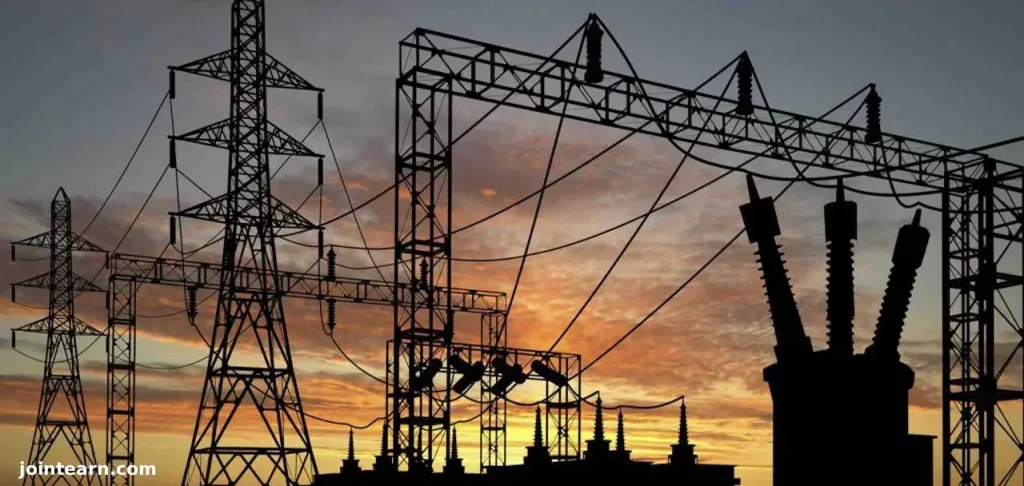
The Lagos Chamber of Commerce and Industry (LCCI) has highlighted infrastructure deficits, weak transmission and distribution networks, and limited investment in off-grid systems as major factors behind Nigeria’s persistent power supply challenges.
Speaking at the LCCI Power Conference in Lagos on Tuesday, LCCI President Gabriel Idahosa said, “While decentralization offers opportunities for innovation, competition, and efficiency, it also exposes long-standing weaknesses in our energy infrastructure—from generation bottlenecks and limited gas supply to inadequate transmission lines, weak distribution networks, and insufficient investment in off-grid systems.”
He further questioned how the sector could align regulatory reforms with investor confidence, balance cost-reflective tariffs with affordability, integrate renewable energy, and deploy smarter technology while ensuring data-driven governance.
Lagos State Commissioner for Energy and Mineral Resources, Biodun Ogunleye, added that three major challenges need urgent attention:
- Infrastructure Optimization: Existing distribution and transmission networks require investment, refurbishment, and smarter management to meet the demands of a growing population and evolving economy. Lagos is working with private partners to upgrade grid infrastructure.
- Commercial Sustainability: Decentralization introduces new players, rules, and responsibilities. States must establish regulatory frameworks that protect consumers, encourage investor confidence, and ensure cost-reflective tariffs that do not stifle industrial activity. Lagos has implemented transparent regulation, structured licensing, and pathways for embedded generation.
- Coordination Across the Value Chain: Effective electricity delivery requires collaboration. Distribution cannot succeed without improved transmission; generation cannot scale without secure off-take agreements; and regulation depends on data transparency and stakeholder engagement. Partnerships with the private sector, federal agencies, and technical bodies remain central to this effort.
Olufemi Bakare, President of the LCCI Power Sector Group, noted that Nigeria is at a critical point in achieving sustainable energy solutions. “Significant reforms and decentralization efforts are underway to improve efficiency and encourage private sector participation. However, infrastructure optimization remains a pressing challenge that must be addressed collectively,” he said.
The experts’ observations underscore the need for continued investment, collaboration, and regulatory reforms to ensure reliable, affordable, and sustainable power across Nigeria.


Leave a Reply