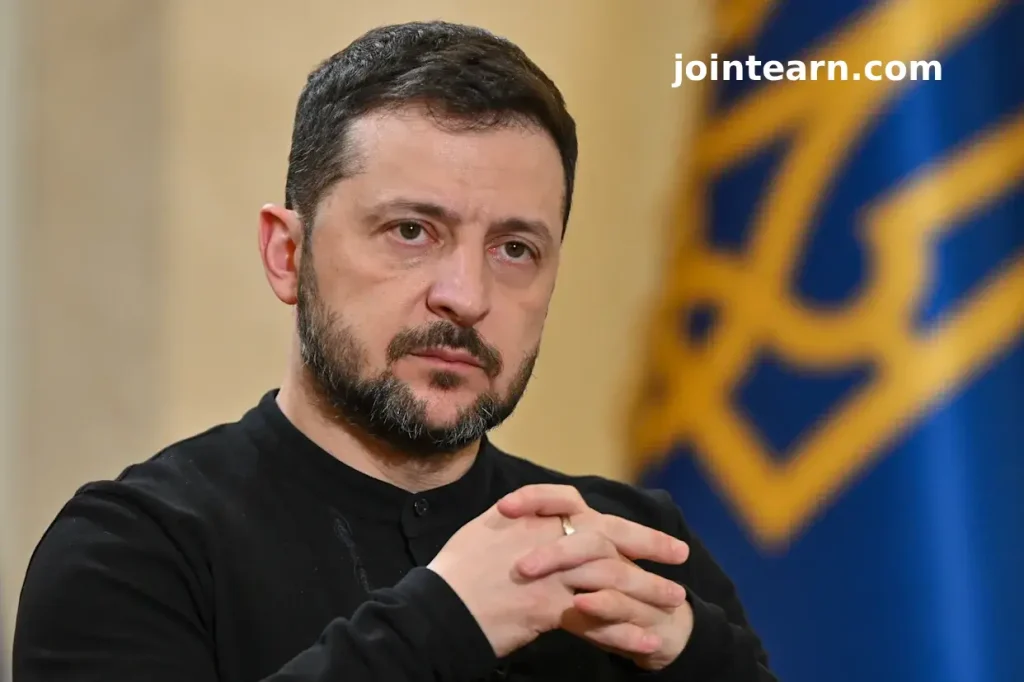
Ukrainian President Volodymyr Zelensky on Monday emphasized that any plan to end the ongoing war in Ukraine must ensure that Russia pays fully for its aggression. Speaking in a video address to the Swedish parliament, Zelensky stressed that holding the aggressor accountable is a critical component of any viable peace settlement.
“The aggressor must pay fully for the war he started, and this is why decisions on Russian assets are essential,” Zelensky said, highlighting the importance of utilizing frozen Russian assets as part of the negotiation process.
Zelensky Rejects Land Concessions
The Ukrainian leader reiterated his firm stance against any territorial concessions, directly contrasting with the Trump Administration’s recently leaked 28-point peace proposal. Zelensky warned that Russian President Vladimir Putin seeks legal recognition for territories Russia seized, undermining Ukraine’s sovereignty and territorial integrity.
“Putin wants legal recognition for what he has stolen, to break the principle of territorial integrity and sovereignty. That is the main problem,” Zelensky explained.
The comments come amid ongoing discussions between Ukrainian and U.S. officials in Geneva, focusing on revising the original U.S.-drafted peace plan. In a joint statement issued Sunday, both countries described the talks as producing “meaningful progress toward aligning positions and identifying clear next steps.”
U.S.-Ukraine Peace Talks Update
Following the discussions, an “updated and refined” peace framework was drafted. The statement emphasized Ukraine’s gratitude toward the United States, specifically acknowledging former President Donald Trump for his efforts in pursuing a resolution aimed at ending the conflict and minimizing loss of life.
“Ukraine and the United States agreed to continue intensive work on joint proposals in the coming days. They will also remain in close contact with their European partners as the process advances,” the statement read.
Despite these developments, details regarding the updated framework remain scarce, and the extent of the changes compared to the widely-leaked draft is still unclear.
Russia and European Reactions
As of Monday, Russian officials indicated they had not received an official copy of the peace proposal. Kremlin spokesperson Dmitry Peskov stated that Russia is “closely monitoring media reports” but has yet to receive formal communication from Geneva.
Some European leaders have expressed cautious optimism. German Foreign Minister Johann Wadephul described the Geneva talks as a “decisive success” for Europe, noting that issues concerning NATO and the continent’s security were removed from the plan. Finnish Prime Minister Alexander Stubb also praised progress toward “a just and lasting peace” while acknowledging remaining challenges.
Conversely, Hungary has advocated for unconditional acceptance of the proposal, with Foreign Minister Péter Szijjártó calling it a “major chance to end the war in Ukraine” and urging European leaders to support the framework fully.
Controversy Over the Peace Proposal
The origin of the 28-point plan has sparked debate. Some U.S. senators, including Sen. Mike Rounds and Sen. Angus King, suggested that portions of the proposal may have been influenced by Russia, although Secretary of State Marco Rubio denied such claims, affirming that the plan was authored by the U.S. with input from both Ukrainian and Russian sides.
Amid these debates, former President Trump criticized Ukrainian leadership for their perceived lack of gratitude and questioned the handling of the conflict. He also set a deadline for Zelensky to respond to the peace plan, urging a decision by the U.S. Thanksgiving holiday on November 27, while leaving room for an extension if negotiations progress positively.
Zelensky Faces Historic Decision
In his public address, Zelensky highlighted the gravity of Ukraine’s position, framing the decision as one between preserving national dignity and maintaining a crucial partnership with the United States. His statements underscore the challenges facing Ukraine as international negotiations continue to shape the future of the region amid ongoing conflict.


Leave a Reply