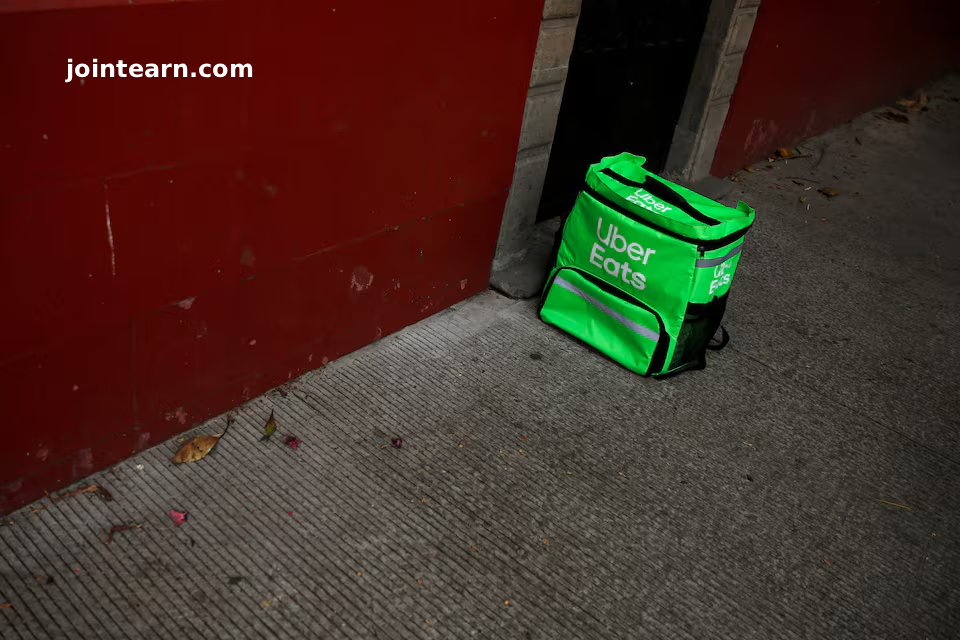
Australia is set to make history in the gig economy as food delivery workers for Uber Eats and DoorDash move closer to receiving minimum wage protections under a landmark agreement with the country’s transport union. This pioneering deal could set a global precedent for gig worker rights and compensation.
A Major Win for Gig Workers
Under the proposed draft agreement released on Tuesday, delivery workers will earn at least A$31.30 ($20.19) per hour, marking a significant increase for couriers who are currently paid per delivery rather than by the hour. This represents roughly a 25% pay boost for many gig workers.
If the agreement receives approval from the Fair Work Commission, it will officially take effect in July 2026, ensuring that Australian delivery workers receive pay equivalent to the minimum wage for casual employees.
Employment Minister Amanda Rishworth commented on the development:
“For too long gig workers fell through the cracks. We didn’t think it was fair that these workers missed out on minimum standards and had to rely on tips to survive. That’s not the Australian way.”
This agreement follows Australia’s recent legislative reforms, which defined gig workers as “employee-like” and granted them the right to negotiate fair pay and workplace conditions.
Key Provisions of the Agreement
The agreement contains several groundbreaking protections and benefits for gig workers, including:
- Minimum hourly pay: A guaranteed wage of A$31.30 per hour, aligning with casual worker standards.
- Accident insurance: Uber Eats and DoorDash will provide comprehensive accident insurance for their workers.
- Transparency: Delivery workers will have access to their work records and detailed information about each delivery assignment.
- Job security and fair conditions: The deal ensures gig workers are no longer solely dependent on tips or delivery volume.
Michael Kaine, national secretary of the Transport Workers’ Union, hailed the agreement as:
“A world-first set of conditions for gig workers performing this work, resulting in life-transforming wage increases. Many workers in the gig economy are still being paid below the minimum national wage, and this is a major step forward.”
Impact on Workers
Canberra-based delivery worker Utsav Bhattarai shared the human side of the story at a recent news conference. He described enduring illness and extreme weather conditions just to make ends meet. Bhattarai emphasized how the new pay standards will transform lives:
“Just one more order, one more hour – that was the reality we were living under. The change we’re seeing now is massive.”
Ed Kitchen, Uber Eats managing director for Australia and New Zealand, also spoke on the agreement’s significance, stating it represents:
“A meaningful step towards building modern laws for modern forms of work, providing protection, security, and flexibility for delivery workers.”
The Changing Australian Gig Economy
Uber Eats and DoorDash dominate the Australian food delivery market. With the exit of Menulog from local operations in November, these two U.S.-based companies now lead the industry.
The agreement is part of a broader shift in the country’s approach to gig work, reflecting a growing recognition that fair wages, worker protections, and insurance coverage are essential in the evolving labor market.
This move is being watched closely worldwide, as it could serve as a blueprint for improving conditions for gig workers in other countries.
Conclusion
Australia’s historic gig worker wage deal is a major milestone, providing both financial security and workplace protections for delivery drivers. By setting a minimum wage standard, offering accident insurance, and improving job transparency, Uber Eats and DoorDash are taking steps to create a more equitable gig economy.
The agreement, if approved in July 2026, will not only reshape the local delivery industry but could also inspire similar reforms in other nations. For gig workers, this deal represents a long-awaited opportunity to earn a fair wage while maintaining the flexibility that drew many to this line of work in the first place.


Leave a Reply