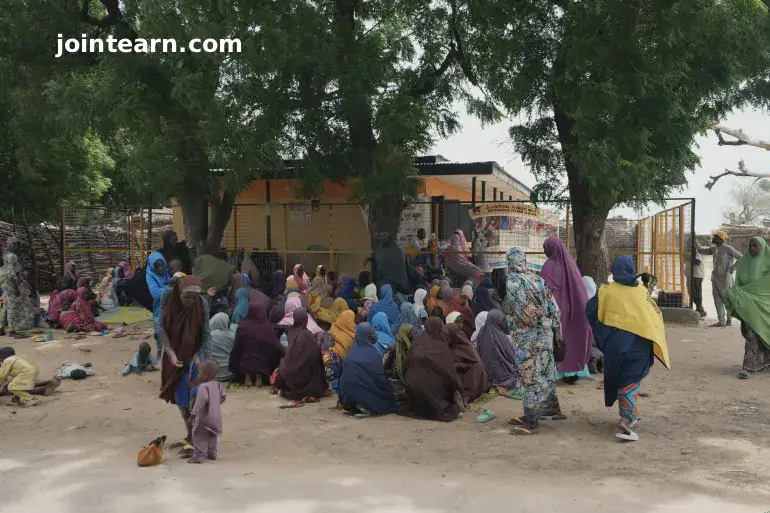
Northern Nigeria is facing a severe hunger crisis as armed attacks, political instability, and reductions in international aid drive millions into food insecurity, the World Food Programme (WFP) has warned. According to the latest report released on Tuesday, nearly 35 million people in northern Nigeria are projected to face severe food insecurity from May to September 2026, marking the highest level recorded in the country since WFP began monitoring hunger patterns.
Nigeria’s Hunger Crisis: Catastrophic Levels in Borno State
The situation in Borno State, one of Nigeria’s northeastern states, is particularly alarming. The WFP estimates that 15,000 people are at risk of catastrophic hunger or famine-like conditions, a direct result of armed insurgent attacks that have plagued the region for over 16 years. The crisis disproportionately affects children, with the highest malnutrition rates reported in Borno, Sokoto, Yobe, and Zamfara states.
Rural farming communities in Borno, Adamawa, and Yobe are among the hardest hit, with nearly six million people lacking access to basic food supplies. David Stevenson, WFP’s Nigeria country director, stressed the severity of the situation:
“The advance of insurgency presents a serious threat to stability in the north, with consequences reaching beyond Nigeria. Communities are under severe pressure from repeated attacks and economic stress.”
Armed Violence Exacerbates Food Insecurity
The hunger crisis is intertwined with ongoing violence across the region. Besides the insurgency of Boko Haram in the northeast, central and northwestern Nigeria have experienced repeated raids by armed gangs. Villages are attacked, civilians are killed, and kidnappings for ransom have become increasingly frequent.
In the past week alone, Nigeria witnessed three mass kidnappings:
- Niger State: At least 303 children and 12 teachers abducted from Saint Mary’s Catholic School.
- Kebbi State: 25 Muslim high school girls kidnapped.
- Kwara State: 38 worshippers snatched from a church during a livestreamed service.
These attacks disrupt local economies, displace families, and worsen food scarcity, leaving already vulnerable populations at extreme risk.
Funding Cuts and Humanitarian Challenges
The hunger crisis is further intensified by reductions in international aid. In July 2025, the WFP was forced to scale down its nutrition programs in Nigeria, affecting more than 300,000 children and pushing malnutrition levels from “serious” to “critical.”
The situation has been compounded by funding cuts from the United States, the WFP’s largest donor. Under President Donald Trump, aid to the agency has been significantly reduced, leaving the organization at risk of running out of resources for emergency food and nutrition support by December 2025.
Without urgent international assistance, experts warn that northern Nigeria’s hunger crisis could escalate, potentially affecting millions more and destabilizing communities across the region.
The Broader Implications
The WFP emphasizes that the combined impact of armed conflict, economic stress, and reduced humanitarian aid threatens not only the survival of millions but also regional stability. The agency is calling for renewed international support to prevent a worsening humanitarian disaster, particularly in areas already vulnerable to insurgency and food insecurity.
With the northern states facing unprecedented levels of hunger, the world’s attention is turning to Nigeria’s humanitarian crisis, highlighting the urgent need for sustained funding, security interventions, and long-term solutions to mitigate malnutrition and famine risks.


Leave a Reply