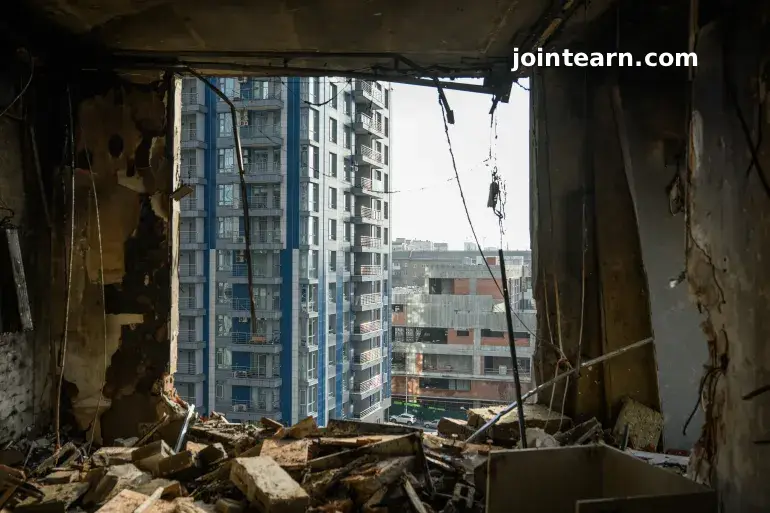
Russia has confirmed that United States-brokered talks to end the war in Ukraine are ongoing and “serious,” but Kremlin officials have made it clear that Moscow will not offer significant concessions to Kyiv. The announcement comes as US President Donald Trump intensifies efforts to negotiate a resolution to the nearly four-year conflict.
Kremlin Confirms Serious Negotiations
Kremlin spokesperson Dmitry Peskov stated on Wednesday that the peace negotiations are continuing, describing the process as “serious,” though he emphasized that no major compromises will be made.
Meanwhile, Trump has promoted a 28-point plan aimed at ending the war, reportedly sending his top negotiator, Steve Witkoff, to Moscow in the coming days. However, Ukraine and its European allies have expressed concern that the initial US proposal favored Russian demands, including territorial concessions, military restrictions, and a ban on NATO membership for Ukraine.
The plan has since been revised to address some of these concerns, though details remain limited.
US Push for Peace Amid Russian Resistance
President Trump acknowledged that progress is being made, claiming that Moscow is showing some willingness to cooperate. Still, Russian Deputy Foreign Minister Sergei Ryabkov made it clear that Russia would not surrender on core issues.
Jim Townsend, senior fellow at the Center for a New American Security, warned that Russia may be using delay tactics to avoid concessions, noting that Moscow does not perceive significant pressure and believes it can achieve its objectives by prolonging the conflict.
“This could just be a real mess. The Russians don’t feel any pressure. They think they’re going to win if they hold out long enough,” Townsend said.
Ukraine and Europe’s Perspective
Ukrainian President Volodymyr Zelenskyy expressed readiness to advance discussions on a US-backed framework for peace, emphasizing the need for talks to include European allies.
Trump described negotiations as “not easy” but expressed optimism, saying, “We’re getting close to a deal.”
However, European leaders remain cautious:
- EU Foreign Policy Chief Kaja Kallas: “Zero indication” that Russia is prepared for a ceasefire; called for additional sanctions and continued support for Ukraine.
- German Chancellor Friedrich Merz: Warned that a deal negotiated without Ukrainian or European approval would not result in sustainable peace, emphasizing Europe’s sovereignty and interests.
Continued Fighting and Drone Attacks
Despite ongoing negotiations, hostilities continue in Ukraine.
- In Kyiv, recent Russian missile and drone strikes killed at least six people, injured 13 others including a child, and caused widespread power outages. Emergency crews rescued 18 individuals from rubble.
- In Zaporizhzhia, a major drone attack wounded 19 people and damaged more than 50 residential buildings, including a university dormitory.
- Ukrainian forces reported strikes on a missile manufacturing plant in Cheboksary, Russia, while Russian air defenses intercepted 33 Ukrainian drones in various regions and over the Black Sea.
These ongoing attacks underscore the fragility of any peace talks and the urgent need for a concrete resolution that ensures security and territorial integrity for Ukraine.
What’s Next for Peace Efforts?
The US-led negotiations face multiple challenges, including:
- Russia’s insistence on maintaining core objectives without concessions.
- European demands for a peace agreement that respects Ukraine’s sovereignty.
- Ongoing military escalations that complicate diplomatic solutions.
While Trump’s initiative highlights a US push for conflict resolution, experts warn that a lasting solution will require cooperation between Kyiv, Moscow, and European allies, backed by enforceable guarantees and continued international pressure.


Leave a Reply