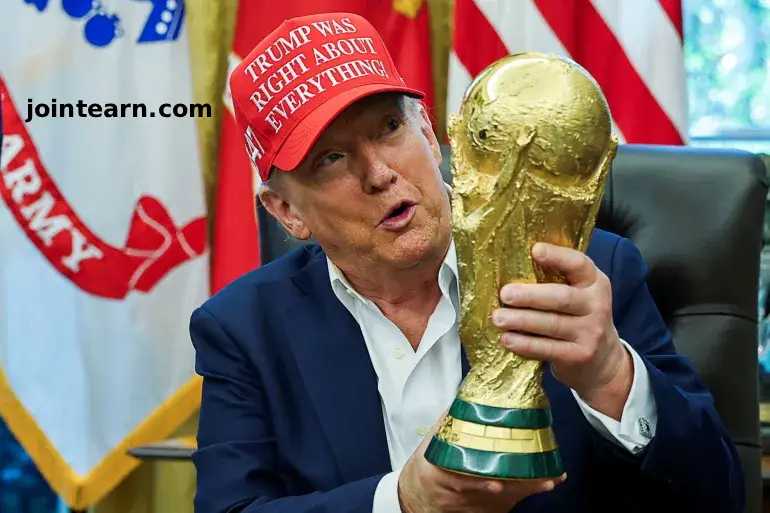
As the 2026 FIFA World Cup approaches, hosted jointly by the United States, Mexico, and Canada, the Trump administration is facing criticism for immigration and travel policies that appear to contradict its promises of a welcoming, global tournament.
A White House committee tasked with organizing the World Cup emphasized that the event would be a “global moment of unity.” Andrew Giuliani, executive director of the White House Task Force on the World Cup, told reporters on 3 December 2025:
“We want to make sure that we’re as welcoming as possible.”
However, critics argue that US President Donald Trump’s anti-immigrant rhetoric and enforcement measures clash with that message.
Travel Bans and Restrictions
Giuliani highlighted that the State Department is working to shorten visa wait times for visitors attending World Cup matches. Yet he confirmed that there will be no exemptions for fans from 19 countries currently under US travel bans, meaning some international supporters may still be barred from entering the US for the tournament.
Two of the affected countries, Haiti and Iran, are participating in the competition. While athletes and official delegations from banned countries will receive visas, Giuliani acknowledged that fans may be denied entry due to national security concerns. The administration has also refused visas to some Iranian officials attending the group stage draw.
Human Rights Concerns
Daniel Norona, Americas advocacy director at Amnesty International USA, criticized the administration’s policies:
“You cannot have unity if you’re promoting discrimination, repression, or silencing dissent. This is the antithesis of what the World Cup represents.”
Norona also warned that the Trump administration’s policies could negatively affect Haitian fans and immigrants in the US, who may face deportation or other enforcement actions during the tournament.
Enforcement and ICE Raids
Giuliani did not rule out the possibility of Immigration and Customs Enforcement (ICE) raids targeting undocumented immigrants at World Cup venues. The US is home to approximately 14 million people without regular immigration status, many of whom are from football-loving communities.
Norona emphasized that such enforcement actions would create a chilling effect for fans and the broader football community, undermining the inclusive spirit the World Cup is supposed to foster.
Trump’s Rhetoric and International Image
Over the past months, Trump’s administration has targeted legal immigrants, foreign students, and permanent residents for deportation over political activism and criticism of Israel. This includes incidents like the detainment and deportation of British commentator Sami Hamdi for advocating Palestinian human rights.
Giuliani defended the president’s approach, calling it “a unique style” and asserting that Trump aims to ensure safety and legal entry for World Cup attendees.
“The president wants to make sure that people can come into the United States legally… so that the games and other experiences are safe and secure,” Giuliani said.
Critics argue, however, that Trump’s comments are deliberately discriminatory, sending a hostile message to fans and immigrants alike.
FIFA and the US World Cup
Trump has maintained a high profile in football circles, attending the Club World Cup final in New Jersey, hosting FIFA president Gianni Infantino at the White House, and welcoming stars like Cristiano Ronaldo to Washington.
The upcoming World Cup draw will feature the inaugural FIFA Peace Prize, a symbolic gesture critics say contrasts sharply with the Trump administration’s immigration crackdown and human rights record.
Minky Worden, overseeing sports at Human Rights Watch, noted:
“FIFA’s so-called peace prize is being awarded against a backdrop of violent detentions of immigrants, national guard deployments, and cancelled anti-discrimination campaigns. There is still time to honor FIFA’s promises, but the clock is ticking.”
As the 2026 World Cup approaches, concerns over US immigration policy, travel bans, and anti-immigrant rhetoric continue to cast a shadow over the promised “global moment of unity,” highlighting tensions between political policy and the inclusive spirit of international football.


Leave a Reply