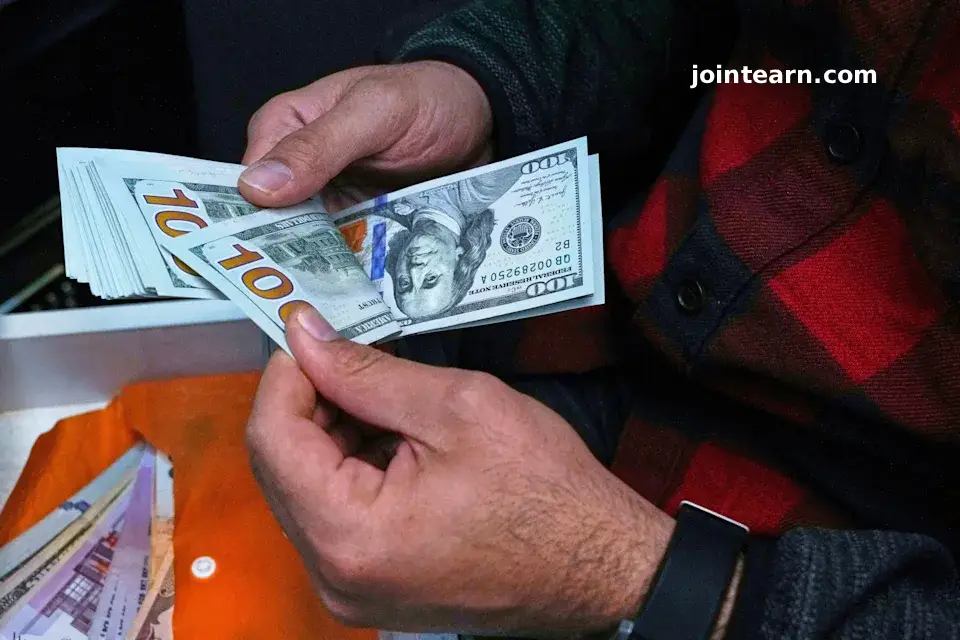
Iran’s national currency, the rial, has fallen to a new historic low, trading at over 1.3 million rials to the U.S. dollar as of Monday, exacerbating inflation and raising concerns about rising food and fuel costs for ordinary Iranians. The sharp decline comes less than two weeks after the rial first broke the 1.2-million mark amid international sanctions and escalating regional tensions.
Rapid Depreciation and Inflation
Currency traders in Tehran report that the dollar now exceeds 1.3 million rials, highlighting the speed of the currency’s collapse since December 3. The rapid depreciation is fueling inflationary pressures, driving up the cost of essential goods such as food and groceries, and straining household budgets across the country.
Economists warn that the situation could worsen following a recent gasoline price adjustment, which introduced a third pricing tier. Under the new system, Iranians still receive 60 liters per month at a subsidized rate of 15,000 rials per liter and an additional 100 liters at 30,000 rials, but any purchases beyond that cost over three times the original subsidized price. While Iranian gasoline remains among the cheapest globally, the price change could further intensify inflation in tandem with the declining rial.
Sanctions and Regional Tensions
The currency collapse is closely tied to ongoing U.S.-Iran tensions and the country’s economic isolation. Efforts to revive negotiations over Iran’s nuclear program remain stalled, while market uncertainty persists after June’s 12-day war between Iran and Israel, raising fears of broader regional conflict that could involve the United States.
Iran’s economy has long been under pressure from international sanctions, particularly after former President Donald Trump withdrew the United States from the 2015 nuclear deal in 2018. The original accord limited Iran’s uranium enrichment in exchange for sanctions relief, when the rial traded at approximately 32,000 to the dollar.
Following Trump’s return to office, a “maximum pressure” campaign expanded sanctions on Iran’s financial sector, energy exports, and international oil trading. In September, the United Nations reimposed nuclear-related sanctions through the so-called “snapback” mechanism, freezing Iranian assets abroad and imposing penalties tied to ballistic missile activities.
Economic and Social Impact
The rial’s accelerating decline threatens a vicious cycle of rising prices and reduced purchasing power. Staples such as rice, meat, and dairy—central to the Iranian diet—are becoming increasingly expensive, straining household budgets. Many Iranians worry that relief from sanctions and economic stabilization remains distant, while geopolitical uncertainty continues to weigh heavily on market sentiment.
Outlook
Analysts predict that unless diplomatic progress occurs and sanctions ease, inflation in Iran could worsen significantly, further eroding living standards. The combination of currency devaluation, higher fuel costs, and restricted imports creates a challenging environment for consumers and businesses alike.


Leave a Reply