Pressure is an ever-present reality for football managers, particularly in the Premier League, where expectations, finances and fan scrutiny collide week after week. A single poor run of results, a breakdown in relationships behind the scenes, or a turning tide among supporters can be enough to push even highly regarded coaches toward the exit.
That reality was laid bare again this weekend as Tottenham Hotspur head coach Thomas Frank and Crystal Palace manager Oliver Glasner both found themselves under intense scrutiny — albeit for very different reasons.
Frank is battling to steady Spurs after a damaging run of results, while Glasner, already confirmed as departing at the end of the season, sparked controversy by claiming he feels “abandoned completely” by Palace’s hierarchy after another defeat extended the club’s winless run to 10 games.
Elsewhere, the volatility of modern football was further underlined at Liverpool, where Arne Slot — who delivered the Premier League title just months ago — saw his side booed off the pitch following a disappointing 1-1 draw against struggling Burnley.
With Enzo Maresca already dismissed by Chelsea on 1 January and Ruben Amorim sacked by Manchester United just days into 2026, BBC Sport examines the key factors that most often lead to managers coming under pressure — and ultimately losing their jobs.
Poor Results and Failure to Meet Expectations
In elite football, results remain the single most decisive factor in a manager’s fate.
The vast financial stakes involved — from broadcasting revenue to sponsorship deals and European qualification — mean club owners are often unwilling to gamble on patience. A prolonged downturn can quickly outweigh long-term planning or past achievements.
That mindset was evident when Everton parted ways with Sean Dyche last January. With the club preparing for life at their new Hill Dickinson Stadium, new owners the Friedkin Group felt relegation was an unacceptable risk given the financial consequences.
Similarly, Leeds United dismissed Javi Gracia with just four games remaining in the 2022-23 season, appointing Sam Allardyce in a last-ditch attempt to avoid relegation. The gamble failed — and the cost was enormous.
Relegation ultimately cost chairman Andrea Radrizzani an estimated £230m, dramatically reducing the value of his stake in the club. A potential £400m sale to 49ers Enterprises collapsed, with Radrizzani instead selling for around £170m.
In such circumstances, managerial loyalty is often sacrificed in the name of financial survival.
Losing the Support of the Fans
Once supporters turn, a manager’s position often becomes untenable — especially when dissent is voiced inside the stadium.
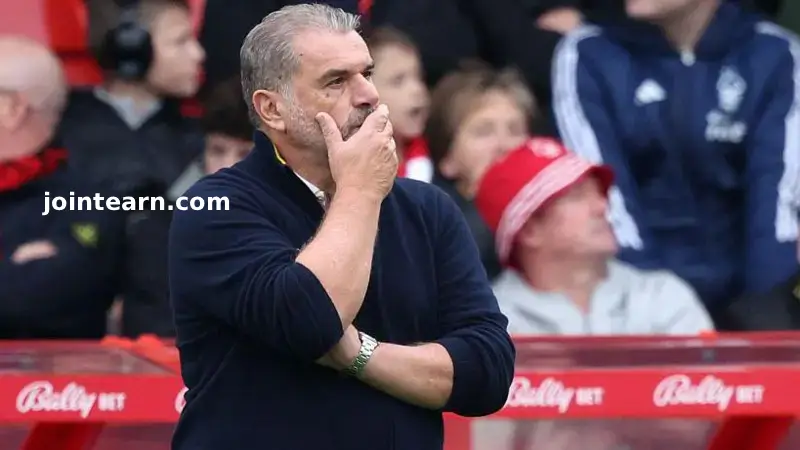
The clearest recent example is Ange Postecoglou’s ill-fated spell at Nottingham Forest. After just six games in charge, Forest fans were already chanting “sacked in the morning”. He lasted only two more matches and was dismissed 17 minutes after a defeat by Chelsea, completing a 39-day reign, the shortest for a permanent manager in Premier League history.
This weekend, similar chants echoed around Tottenham Hotspur Stadium as Spurs lost 2-1 to West Ham, with Thomas Frank now facing growing unrest from the stands.
Former Manchester United striker Wayne Rooney empathised with Frank’s situation on BBC Match of the Day:
“It’s a lonely position to be in. The Tottenham fans have spoken and when that happens, it looks like he will lose his job.”
Alan Shearer added:
“He knows the rules — if you don’t win games, you’re going to get sacked.”
Former Stoke manager Tony Pulis believes match-going supporters wield significant influence:
“If criticism is open in your own stadium, that resonates far more with decision-makers than social media noise. Results have to change — quickly.”
Breakdown in Relationships with Owners and Executives
Even strong results cannot always save a manager if relationships at boardroom level deteriorate.
That factor proved decisive in Ruben Amorim’s exit from Manchester United. Following a 1-1 draw with Leeds, the Portuguese coach delivered a blunt post-match press conference, publicly criticising the club’s hierarchy and demanding freedom from interference.
He was sacked the following day.
At Chelsea, Enzo Maresca’s dismissal also stemmed from more than results alone. While a dip in form endangered top-four hopes, disagreements over strategy and authority within the club contributed to his downfall.
Elsewhere:
- Nuno Espírito Santo led Nottingham Forest into Europe but was dismissed after falling out with owner Evangelos Marinakis over transfers.
- Brendan Rodgers resigned as Celtic manager following a complete breakdown in relations with the board.
- Oliver Glasner has now openly criticised Crystal Palace’s ownership, stating he feels abandoned over their transfer policy.
Glasner is due to leave when his contract expires this summer, but many believe his comments may hasten his departure.
Rooney was blunt in his assessment:
“Once you speak against the owners, there is usually only one outcome.”
Social Media Pressure and the Role of Pundits
While online criticism can be relentless, its influence is often overstated compared to the reaction of fans inside stadiums.
Tony Pulis argues that social media outrage has limited impact unless it spills into the stands:
“Season-ticket holders who travel home and away have far more influence than anonymous online voices.”
However, social platforms amplify pundit criticism, often forcing managers into defensive positions.
Amorim referenced this dynamic shortly before his sacking, suggesting United had become overly sensitive to outside commentary:
“If people cannot handle the Gary Nevilles and the criticism of everything, we need to change the club.”
Social media can also affect hiring decisions. Tottenham’s interest in Gennaro Gattuso in 2021 collapsed after a strong fan backlash online, led by the hashtag #NoToGattuso.
Ironically, online pressure does not always reflect matchday sentiment. In 2021, Arsenal fans vocally called for Mikel Arteta to be sacked on social media — yet he retained support in the stadium and is now viewed as the man to end the club’s long wait for a league title.
Are Managerial Reigns Getting Shorter?
Evidence suggests managerial patience is wearing thin.
Postecoglou’s 39-day spell at Forest broke records, while five of the 10 shortest managerial reigns in Premier League history have occurred since 2020.
Of the 27 permanent Premier League managers appointed since the start of the 2023-24 season, 15 have already left their roles, with only 12 still in charge.
In a league driven by results, money and emotion, stability is increasingly rare — and pressure is never far away.


Leave a Reply