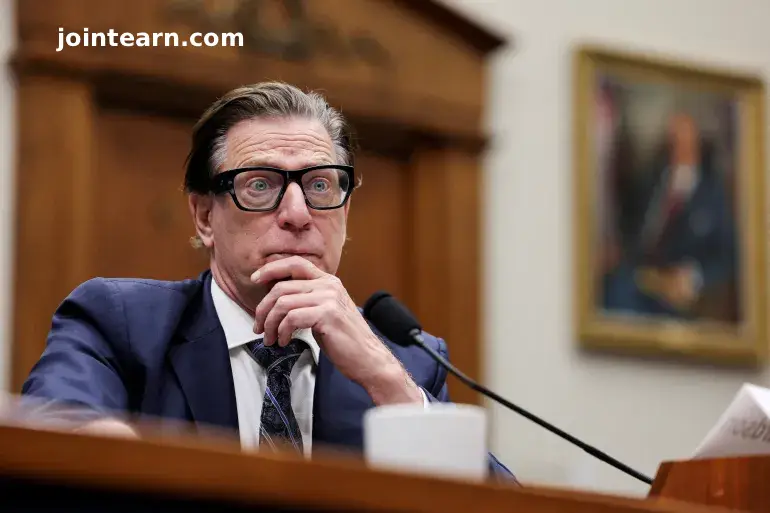
Washington, D.C. – David Richardson, the acting head of the Federal Emergency Management Agency (FEMA), is stepping down after a troubled six-month tenure, the Department of Homeland Security (DHS) confirmed on Monday. Richardson’s resignation comes as the 2025 Atlantic hurricane season remains active, raising concerns about the agency’s readiness under interim leadership.
Richardson, a former Marine Corps officer, is the second FEMA chief to leave or be removed since May, following the firing of his predecessor Cameron Hamilton, who opposed efforts by President Donald Trump to significantly reduce FEMA’s size and influence.
Tenure Marked by Criticism
Richardson’s tenure faced multiple controversies, including criticism for his low public profile during the deadly Texas floods in July, which claimed 130 lives. Earlier, he reportedly surprised agency staff by claiming he was unaware the U.S. had a hurricane season, raising questions about his preparedness for disaster management.
Upon taking the role in May, Richardson asserted his authority in strong terms, telling staff:
“I, and I alone in FEMA, speak for FEMA… I will run right over anyone who resists changes.”
However, his leadership style and minimal public engagement left FEMA under scrutiny, particularly as Homeland Security Secretary Kristi Noem became the visible face of the administration’s disaster response efforts during Trump’s second term.
Succession and Agency Status
A DHS spokesperson confirmed that FEMA Chief of Staff Karen Evans will assume Richardson’s duties. The statement acknowledged Richardson’s service but provided no explanation for his departure.
FEMA has faced significant downsizing under the Trump administration, with roughly 2,500 employees leaving since January through buyouts, firings, and other incentives. The agency’s current workforce stands at approximately 23,350 staff, down from previous levels, according to a September Government Accountability Office (GAO) report.
President Trump has consistently promoted reducing the size and cost of FEMA, asserting that state governments can handle many disaster-related functions, despite the agency’s central role in hurricane preparedness and emergency response nationwide.
Implications for Disaster Preparedness
Richardson’s resignation occurs during an active hurricane season and amid growing concerns over FEMA’s capacity to respond to major disasters. Analysts warn that continued leadership turnover and workforce reductions could hinder emergency preparedness and crisis management, particularly in hurricane-prone regions along the Gulf Coast and Eastern Seaboard.
As the Trump administration continues its push to streamline federal agencies, FEMA’s role and leadership structure remain uncertain, leaving questions about how future natural disasters will be managed at the federal level.


Leave a Reply