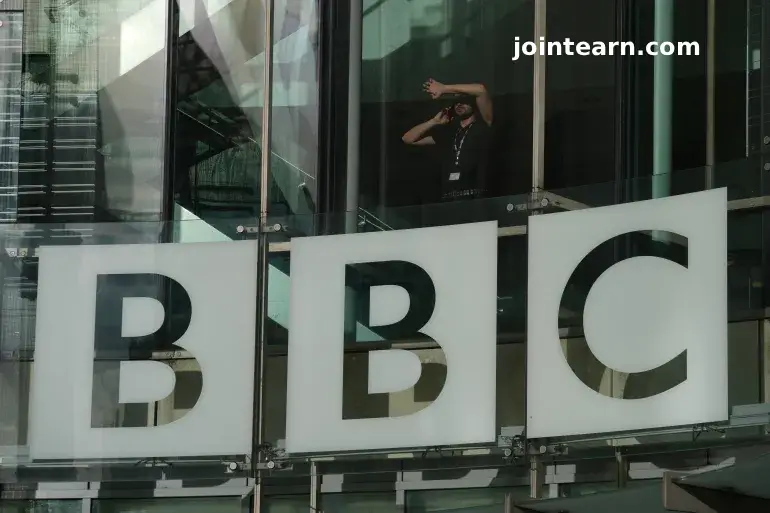
The BBC has announced that it will vigorously defend itself against a threatened defamation lawsuit by former United States President Donald Trump, who has signaled his intention to pursue legal action over a Panorama documentary that aired in 2024.
In a letter to BBC staff, Samir Shah, chair of the broadcaster’s board, made it clear that the BBC sees no legal basis for Trump’s claims, emphasizing its determination to fight any court challenge. “There is no basis for a defamation case, and we are determined to fight this,” Shah wrote.
Background: Panorama Documentary Sparks Controversy
The controversy stems from the investigative series Panorama, which aired the documentary Trump: A Second Chance? in October 2024, just days before Trump’s second-term election victory. The program included edited clips of Trump’s January 6, 2021, speech, in which he addressed supporters during the violent storming of the U.S. Capitol.
Critics argue that the documentary’s editing combined statements delivered nearly an hour apart, giving the impression that Trump encouraged his supporters to “fight like hell” at the Capitol. Trump and his allies have alleged that this misrepresentation omits critical context, including moments when he instructed his supporters to act peacefully and support congressional representatives.
BBC Apology, but Firm Defense
While the BBC issued a personal apology to Trump, acknowledging that the editing of the clip was “regrettable,” it simultaneously rejected the claim that this constitutes defamation. The broadcaster also confirmed that the documentary would not be rebroadcast.
A BBC spokesperson said:
“While we sincerely regret the manner in which the video clip was edited, we strongly disagree there is a basis for a defamation claim.”
Internal Scrutiny and Leadership Shake-Up
The lawsuit threat comes amid broader turmoil at the BBC. Earlier in November, leaked internal memos raised concerns about systemic bias in coverage of sensitive topics, including transgender rights and Israel’s war on Gaza. These allegations contributed to the resignations of Director-General Tim Davie and news head Deborah Turness, both of whom stepped down citing accountability for editorial mistakes.
Davie noted that the BBC is “a critical ingredient of a healthy society” and emphasized the broadcaster’s responsibility to uphold trust and editorial integrity, rather than allowing political disputes to undermine its mission.
Trump’s History of Media Lawsuits
Trump has a long record of pursuing lawsuits against media outlets, often in response to unfavorable coverage. For example:
- ABC News settled a defamation case in December 2024 for $15 million after an anchor misstated the nature of a civil case involving Trump.
- CBS/Paramount agreed to a $16 million settlement over edits in an interview with 2024 election rival Kamala Harris.
- Trump recently refiled a defamation lawsuit against The New York Times after a federal judge initially dismissed the claim.
Legal analysts note that Trump’s claim against the BBC faces significant hurdles, particularly in the United States, where the First Amendment provides strong protections for news organizations. Shah also highlighted the potential financial impact of such a lawsuit on BBC license-fee payers, emphasizing the broadcaster’s duty to its public funding.
Next Steps
Trump has indicated that his lawsuit could demand anywhere from $1 billion to $5 billion in damages, likely to be filed imminently. The BBC has made it clear it will defend vigorously against the legal action, citing both its editorial independence and the robust legal protections afforded to news media under U.S. law.


Leave a Reply