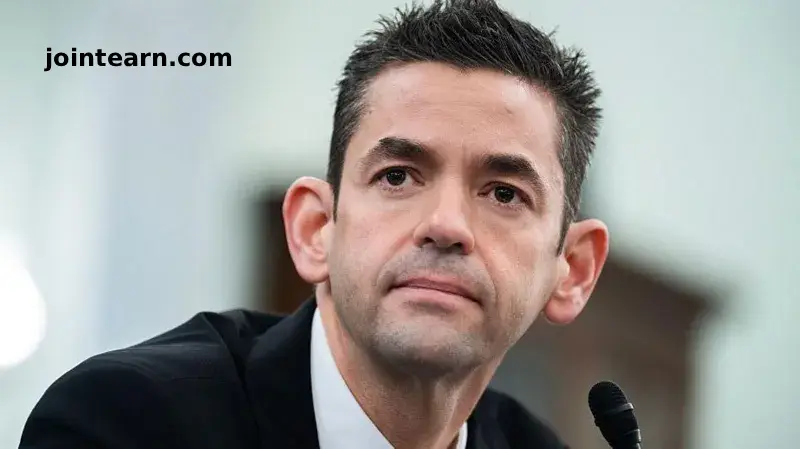
In a historic and somewhat unconventional appointment, billionaire entrepreneur Jared Isaacman has been confirmed as the new NASA administrator by the U.S. Senate. The confirmation, which took place on Wednesday with a decisive 67-30 vote, marks a significant moment for the American space program, highlighting a shift toward private-sector involvement in space exploration.
Isaacman, 42, is a self-made billionaire known for his ventures in payment processing and aviation, and is also recognized as an amateur jet pilot who became the first non-professional astronaut to perform a spacewalk. His appointment is particularly notable as he is one of the first NASA leaders in decades to come directly from outside the government, breaking a long-standing tradition of career administrators leading the agency.
Unusual Nomination Process
Isaacman’s path to NASA’s top position was far from straightforward. Initially nominated by former President Donald Trump in December 2024, the nomination was later withdrawn in May amid a public dispute between Trump and Elon Musk, a close ally of Isaacman and CEO of SpaceX. Musk, who has historically been a key figure in the American space industry and a major political donor to Trump, had a falling out with the former president over government spending, prompting the withdrawal.
By November, Trump reinstated Isaacman’s nomination, and after a confirmation hearing earlier this month, the Senate officially approved him as NASA’s new administrator.
Mission to the Moon and Beyond
Isaacman’s leadership will be closely watched for his ability to help the U.S. regain its competitive edge in space exploration, particularly in the race to return humans to the Moon ahead of China. President Trump has publicly emphasized the importance of establishing a permanent lunar base, which would not only allow for resource extraction but also serve as a strategic stepping stone toward Mars missions.
During his confirmation hearing, Isaacman emphasized the urgency of America’s lunar ambitions:
“This is not the time for delay but a time for action because if we fall behind – if we make a mistake – we may never catch up, and the consequences could shift the balance of power here on Earth.”
Embracing Commercial Competition
One of Isaacman’s key priorities as NASA administrator will be to increase private-sector involvement in space exploration. While this aligns with U.S. interests in fostering innovation, it could also create tension with Musk, given Isaacman’s recent support for a major contract awarded to Blue Origin, the aerospace company founded by Amazon CEO Jeff Bezos and a direct competitor to SpaceX.
Isaacman has also advocated for closer collaboration between NASA and academic institutions, positioning the agency as a “force multiplier for science.” He has stressed that he is willing to pursue every possible avenue to advance scientific missions, including exploring private funding options if necessary.
Background and Net Worth
According to Forbes, Jared Isaacman’s net worth is estimated at $1.2 billion, accumulated largely through his payment-processing company and the sale of a firm that trained pilots and operated a private fleet of military aircraft. Despite his extensive business experience, Isaacman’s role as NASA administrator marks his first position in politics, highlighting a unique blend of entrepreneurial experience and a passion for space exploration.
Transition at NASA
Isaacman will succeed Sean Duffy, the U.S. transportation secretary who has served as interim NASA chief since July. Under Isaacman’s leadership, NASA is expected to pursue ambitious goals in lunar exploration, Mars preparation, and the expansion of commercial spaceflight partnerships.
This appointment signals a new era for NASA, one where public-private collaboration, rapid innovation, and strategic global positioning will be central to the U.S. mission in space. As Jared Isaacman takes the helm, the world will be watching to see if his outsider approach can propel America ahead in the increasingly competitive global space race.


Leave a Reply