Why does an Ashes tour always seem to end the same way for England?
Not simply with defeat — that part is predictable. Australia remain a superior Test side at home, and history is brutal in its clarity. Since 2000, England have lost 27 of 35 Ashes Tests played in Australia, a statistic that underscores the gulf between the teams.
What fuels the frustration, anger and bewilderment among England fans is not just losing — but the familiar off-field controversies, particularly questions around drinking culture, discipline and leadership, that once again overshadow the cricket.
Another Ashes, Another Distraction
This 2025–26 Ashes tour was billed as England’s best chance in decades to finally compete Down Under. Instead, it has descended into chaos, poor preparation, underwhelming performances, and damaging revelations away from the pitch.
The latest controversy involves Harry Brook, England’s Test vice-captain and white-ball captain, who was revealed to have been involved in a physical altercation with a nightclub bouncer during England’s tour of New Zealand just weeks before the Ashes.
The incident occurred the night before a one-day international in Wellington, a match Brook captained — and which England lost. The revelation emerged publicly only after England had already completed a disastrous 4–1 Ashes defeat, reigniting debate about accountability and transparency within the England and Wales Cricket Board (ECB).
A Pattern England Cannot Escape
This is far from England’s first Ashes tour marred by alcohol-related controversy.
- In 2017–18, Jonny Bairstow was mocked in Australian media for a drunken “headbutt” incident involving Cameron Bancroft.
- On that same tour, Ben Duckett was disciplined for pouring a drink over James Anderson.
- During the Covid Ashes of 2021–22, police were called to break up a late-night drinking session in Hobart.
Now, the Brook incident has added another chapter to a story that never seems to end.
‘Bazball’ Becomes ‘Boozeball’
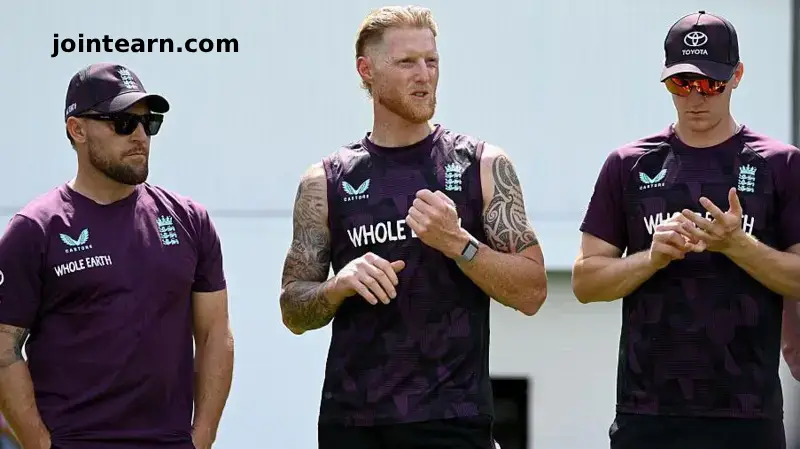
This Ashes was supposed to represent the crowning moment of the Bazball era — England’s fearless, aggressive brand of Test cricket under captain Ben Stokes and coach Brendon McCullum.
Instead, critics have cruelly but pointedly rebranded it “Boozeball”, as concerns about excessive drinking and lax standards overshadow performances that were already falling short.
Preparation for the tour has been widely criticised as inadequate. Once the series began, England were plagued by reckless shot selection, dropped catches and erratic bowling — all while reports of players drinking in bars circulated repeatedly.
ECB Silence Raises Questions
Perhaps most damaging is how the situation has been handled administratively.
ECB chief executive Richard Gould released a statement confirming that the tour of Australia would be reviewed, including player behaviour. However, no mention was made of the New Zealand incident, despite senior ECB figures already being aware of it.
The ECB only acknowledged Brook’s misconduct after it was revealed by the Daily Telegraph, nearly two months later. Brook was fined approximately £30,000 and placed on a final warning through what the ECB described as a “formal and confidential disciplinary process”.
That secrecy has left fans asking:
- Should the incident have been disclosed earlier?
- Should it have altered team discipline ahead of the Ashes?
- Did it contribute to what followed?
Noosa, Adelaide and Lost Focus
The controversial Noosa break between the second and third Tests now looks even more alarming in hindsight. England players — including Brook — were seen drinking for extended periods in public venues, fully visible to fans and media alike.
This occurred:
- After the Ashes had already been lost
- After Brook’s disciplinary warning
- With a decisive third Test in Adelaide looming
In Adelaide’s extreme heat, Brook dropped a crucial edge off Usman Khawaja on the opening morning. It was symbolic of a tour where England’s brightest young star looked off-colour, distracted and short of his best.
Brook’s Ashes Falls Short of Expectations
Statistically, Brook’s series return — 358 runs at an average of 39.77 — is respectable. Contextually, it is disappointing. His career average sits near 55, and after 10 Ashes Tests, he is yet to score a century in the series.
Whether his off-field issues contributed directly is impossible to prove. But they have ensured that every mistake is now scrutinised, and that scrutiny will only intensify given his likely future as England’s Test captain.
Fans Pay the Price
Why does all of this matter so much? Because of the emotional and financial investment of England supporters.
Thousands travelled to Australia at enormous personal cost. Millions more stayed up through the night over Christmas, sacrificing sleep to watch England’s collapse unfold.
To see players in casinos after losing a Test inside two days, or in nightclubs hours after surrendering the Ashes, has left many fans feeling disrespected and disconnected from the team.
A Cultural Problem, Not a Slogan Issue
England are not alone in enjoying a drink — Australia’s Travis Head famously turned up dusty to training after celebrations. The difference? Australia had already won the series, and Head had scored three centuries.
The concern is that England’s culture lacks accountability, especially among a younger generation raised entirely within the Bazball era. Once, Bazball revitalised experienced cricketers who had lost confidence. Now, it appears to have failed to instil discipline, preparation and resilience in emerging stars.
England do not need new slogans or motivational phrases. They need:
- Structure
- Accountability
- Technical grounding
- Clear leadership standards
What Happens Next?
Ben Stokes wants to remain captain — and likely will. Brook remains the heir apparent. McCullum and director of cricket Rob Key may stay, but only if they can fundamentally change the team’s culture.
If not, England risk arriving in Australia in four years’ time with another hangover, another review, and another missed opportunity.


Leave a Reply