Canada Sets Ambitious Methane Reduction Targets
The Canadian government has unveiled new rules targeting methane emissions from the oil and gas sector, aiming for a 75 percent reduction by 2035 compared with 2014 levels. The regulations, announced on December 16, 2025, are part of Canada’s broader climate strategy and are expected to cut 304 million tonnes of carbon dioxide equivalent over the next decade.
The rules will take effect in 2028, providing oil and gas operators time to implement strategies for inspection, leak detection, and emissions control.
Methane’s Climate Impact
Methane, the primary component of natural gas, is a potent greenhouse gas. While it remains in the atmosphere for a shorter period than carbon dioxide, it can have 80 times the warming impact of CO2 over a 20-year period.
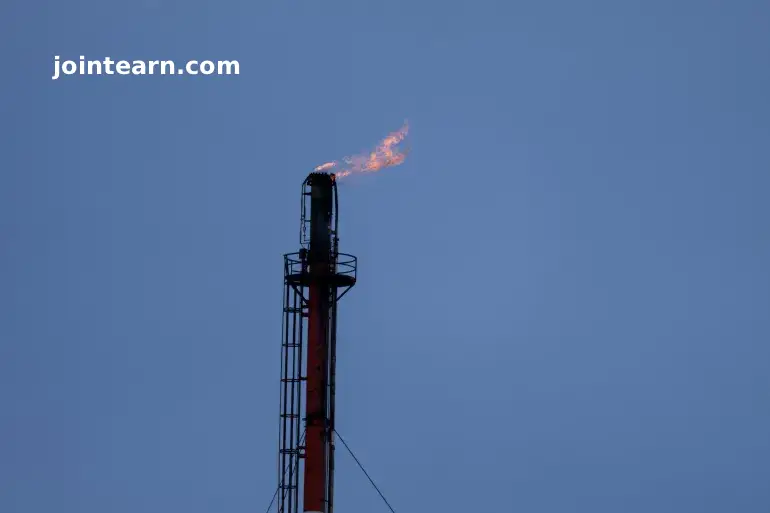
Oil and gas operations, including venting, flaring, and leaks from wells and infrastructure, account for roughly half of Canada’s methane emissions, making this sector a key focus for climate mitigation.
Regulatory Approach and Industry Flexibility
The new rules prohibit venting with specific exceptions and establish mandatory inspection schedules for companies to identify and repair equipment leaks.
Operators have the flexibility to design their own approaches to controlling methane, as long as they meet required methane intensity thresholds.
This approach balances environmental accountability with operational flexibility, allowing companies to adopt innovative solutions to reduce emissions without significantly disrupting production.
Context: Previous Rules and Policy Adjustments
The rules fulfill a pledge by Prime Minister Mark Carney to strengthen existing methane regulations. They provide a slightly longer timeline than previous draft rules proposed under former Prime Minister Justin Trudeau, which aimed for the same 75 percent reduction by 2030 but faced pushback from the oil and gas industry as being overly ambitious.
Canada has already made progress under earlier regulations that required industry to inspect and repair equipment regularly, helping the country move toward achieving a 40-45 percent methane reduction below 2012 levels by 2025.
Impact on Oil and Gas Production
Despite the new regulations, the Canadian government projects only a 0.2 percent reduction in oil and gas production between 2025 and 2035, showing that environmental progress can be achieved without major disruption to energy output.
However, overall greenhouse gas emissions from the sector are still growing as production increases, and Canada is not currently on track to meet its broader target of reducing total greenhouse gas output by 40-45 percent below 2005 levels by 2030.
Environmental and Economic Considerations
The rules have drawn mixed reactions. Some environmentalists criticize Carney for prioritizing energy investment over climate action, noting that other emissions policies have been rolled back recently. Nevertheless, the new methane standards signal Canada’s continued commitment to reducing potent greenhouse gases while maintaining economic stability in the oil and gas sector.
Canada’s Climate Leadership
By targeting methane reductions, Canada aims to align with global climate goals and reinforce its reputation as a leader in oil and gas emissions mitigation. These measures are also intended to demonstrate to the international community that effective climate policies can coexist with robust energy production.


Leave a Reply