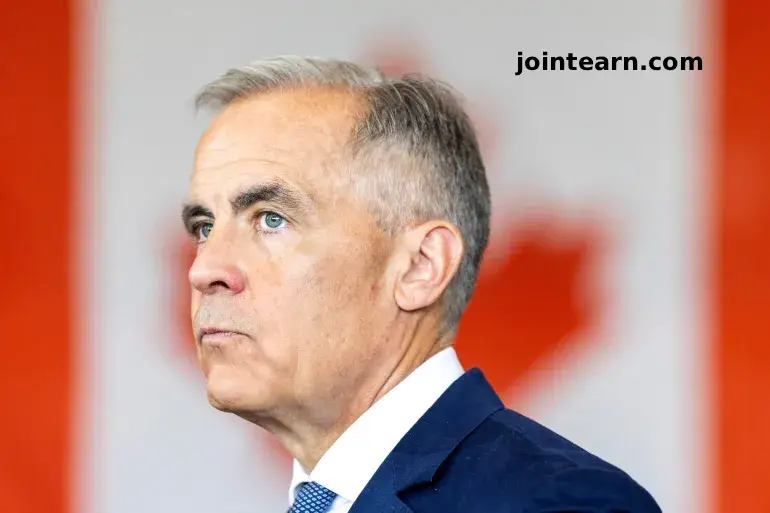
In a bold move aimed at revitalizing Canada’s energy sector, Prime Minister Mark Carney has signed a landmark agreement with Alberta Premier that will roll back key climate regulations to stimulate investment in oil and gas production. The agreement, finalized on November 27, 2025, also encourages the construction of a new oil pipeline to Canada’s West Coast, signaling a major shift in Canadian energy and climate policy.
Key Details of the Agreement
Under the terms of the deal:
- The federal government will scrap a planned emissions cap on the oil and gas sector, removing one of the most significant restrictions on fossil fuel production.
- Regulations related to clean electricity standards will be relaxed in exchange for Alberta committing to strengthen industrial carbon pricing.
- The government will support the Pathways Plus project, which is set to become one of the world’s largest carbon capture-and-storage (CCS) initiatives, capturing emissions from Canada’s tar sands.
- Federal legislation, including the Oil Tanker Moratorium Act, will be adjusted to facilitate exports of Alberta crude to Asia, opening new markets beyond the United States.
The deal has been widely praised by Canada’s oil industry but criticized by environmentalists, Indigenous groups, and opposition politicians who argue that it undermines national climate commitments.
Carney’s Economic Strategy and US Market Diversification
Carney’s decision to roll back environmental rules comes as Canada faces economic uncertainty due to US tariffs imposed by former President Donald Trump. Currently, 90% of Canadian oil exports are destined for the US market. Carney highlighted that these tariffs could cost the Canadian economy approximately $50 billion, or $1,300 per Canadian, emphasizing the need to diversify exports and attract foreign investment.
At a Calgary industry event, Carney reaffirmed his commitment to net-zero carbon emissions by 2050, despite relaxing some environmental restrictions implemented under Justin Trudeau’s administration. The Prime Minister framed the agreement as a balance between promoting economic growth and maintaining a long-term climate strategy.
Pipeline Projects and Market Expansion
Alberta is exploring a new crude oil pipeline to British Columbia’s northwest coast to increase access to Asian markets. However, no private company has yet committed to constructing the project, citing federal legislative hurdles. Carney promised a clear and efficient approval process for pipeline construction, noting the potential to transport one million barrels of low-emission Alberta bitumen per day.
The Trans Mountain pipeline, currently owned by the Canadian government, is the only existing route to ship Canadian oil directly to Asia. Its recent $34 billion expansion tripled capacity, demonstrating Canada’s growing ambition to become a global energy exporter.
Environmental and Political Reactions
Environmentalists have expressed strong concerns about the rollback of climate rules. The Pembina Institute, a leading Canadian clean energy think tank, warned that the deal could compromise minimum national standards and hinder broader climate change efforts.
Meanwhile, industry groups praised the partnership as a major step toward unlocking Canada’s natural energy resources. The Canadian Association of Petroleum Producers highlighted the elimination of emissions caps and improved market access as key drivers for future growth.
Political fallout has already begun within Carney’s minority government. Steven Guilbeault, a former environment minister under Trudeau, resigned from cabinet in protest, arguing that the agreement dismantles Canada’s climate strategy.
Broader Energy Initiatives
In addition to oil and gas development, the federal government and Alberta will collaborate on:
- Building nuclear power plants to strengthen electricity supply.
- Developing transmission lines to neighboring provinces.
- Powering AI data centers with enhanced electricity infrastructure.
The Pathways Plus carbon capture project remains central to Carney’s strategy, aiming to mitigate the environmental impact of increased fossil fuel production while enabling Canada to maintain its climate commitments.


Leave a Reply