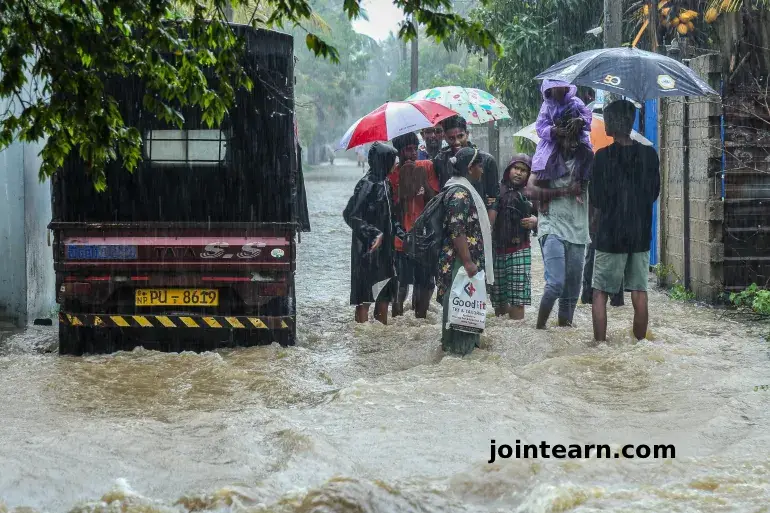
Sri Lanka is grappling with one of its deadliest weather events in recent years as heavy rains trigger floods and landslides, leaving at least 40 people dead, 10 injured, and 21 missing across multiple regions of the country. Authorities have halted passenger trains, closed roads, and deployed emergency response teams to assist residents in affected areas.
Devastation in Central Highlands
According to the Disaster Management Centre of Sri Lanka, the majority of fatalities—25 people—occurred in the mountainous tea-growing regions of Badulla and Nuwara Eliya, approximately 300 km east of the capital, Colombo. These areas are prone to landslides due to steep terrain and heavy rainfall, which has caused homes, fields, and roads to be submerged or destroyed.
Authorities report that 21 people remain missing in these regions due to landslides, while 10 others have been injured. Roads connecting key provinces have been blocked by overflowing rivers, landslides, and debris, further hampering rescue operations.
Transport Disruptions and Rescue Operations
The severe weather has led to major disruptions in transportation. Passenger trains were stopped in mountainous areas after mud, rocks, and fallen trees obstructed railway tracks. Emergency crews were seen clearing debris, while floodwaters inundated certain rail sections.
Rescue operations have been ongoing, with air force helicopters evacuating stranded residents from rooftops and navy and police boats transporting people from flooded areas. In the eastern town of Ampara, approximately 410 km east of Colombo, a vehicle was swept away by floodwaters, resulting in three fatalities.
Rising Frequency of Floods Due to Climate Change
Sri Lanka is highly dependent on seasonal monsoon rains for agriculture and hydroelectric power. While heavy rains are a regular part of the weather cycle, experts warn that climate change is increasing the frequency and intensity of flooding and landslides across the country.
This week’s death toll marks the highest weather-related fatalities since June 2024, when 26 people lost their lives due to similar floods. Historical records show that the worst flooding in recent memory occurred in June 2003, claiming 254 lives.
Government Response and Safety Measures
Authorities have called for residents in flood-prone regions to remain alert and follow evacuation orders. Local television footage has shown emergency teams working tirelessly to rescue stranded families, remove debris, and restore access to key transportation routes.
Officials have urged citizens to avoid travel in affected regions and adhere strictly to safety advisories. Relief measures, including temporary shelters and medical support, are being deployed to protect those impacted by the floods.
Outlook
Meteorologists predict that heavy rains will continue over the coming days, increasing the risk of additional flooding and landslides. As Sri Lanka faces ongoing challenges from extreme weather events, the disaster underscores the urgent need for improved climate adaptation measures, early warning systems, and infrastructure resilience.


Leave a Reply