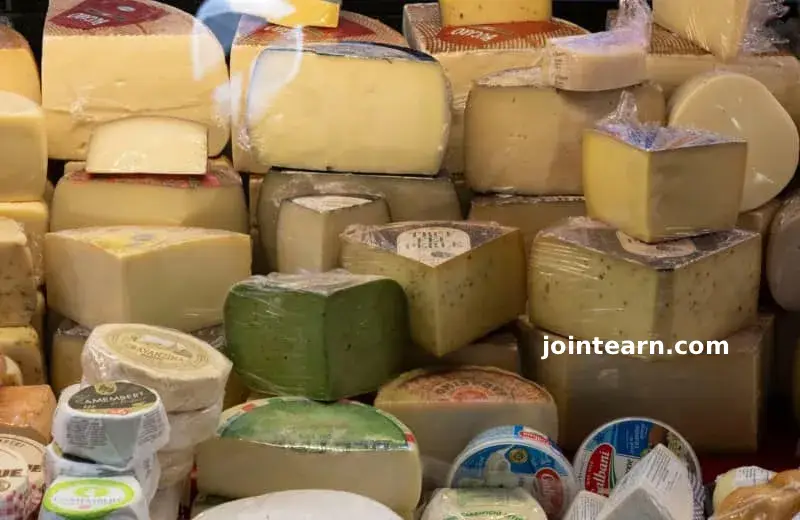
China has announced new provisional import tariffs on certain dairy products from the European Union, marking the latest development in an ongoing trade dispute between the two economic powers. The decision, confirmed by Beijing’s Commerce Ministry on Monday, follows a lengthy investigation that began in August 2024. These measures are set to take effect on December 23, 2025, impacting a range of European dairy exports including cheese, butter, and other processed milk products.
Reason for Tariffs: Alleged EU Subsidies
According to the Commerce Ministry, the European Union has significantly subsidized its dairy industry, giving European producers an unfair advantage in the global market. Chinese authorities claim that imports of EU dairy products have negatively affected domestic producers, resulting in substantial financial losses for local farms and manufacturers.
As a preliminary measure, China has imposed tariff rates ranging from 21.9% to 42.7% on these dairy products. The investigation is ongoing and will continue until a final decision is reached, leaving room for adjustments or additional duties depending on the outcome of the trade review.
Background: EU-China Trade Tensions
Trade relations between China and the EU have been strained for several years. In 2023, the European Union initiated an investigation into Chinese electric vehicles, accusing Beijing of offering excessive state subsidies to its EV manufacturers. China responded with its own anti-dumping investigations and tariffs on European goods, including spirits, pork, and dairy products.
The Commerce Ministry emphasized that since 2025, Beijing has not launched any new trade investigations against the EU. Instead, it has concluded three existing anti-dumping cases, while the EU has actively pursued multiple proceedings against China in the same period.
Impact on Consumers and the Dairy Market
The new tariffs are expected to increase the prices of European dairy products in China, potentially affecting consumers who rely on imported cheese, butter, and other milk products. Domestic dairy producers may benefit from reduced competition, but European exporters could face significant revenue losses.
Industry analysts suggest that this development could further intensify trade tensions between China and the EU, impacting other sectors such as agriculture, automotive, and beverages. The situation highlights the ongoing challenges of global trade disputes and the delicate balance between protectionist policies and free trade.
Looking Ahead
China’s investigation into EU dairy products will continue until a final verdict is issued. Stakeholders in both regions are closely monitoring the situation, as the tariffs could have far-reaching consequences for international trade, consumer prices, and economic relations between China and the European Union.


Leave a Reply