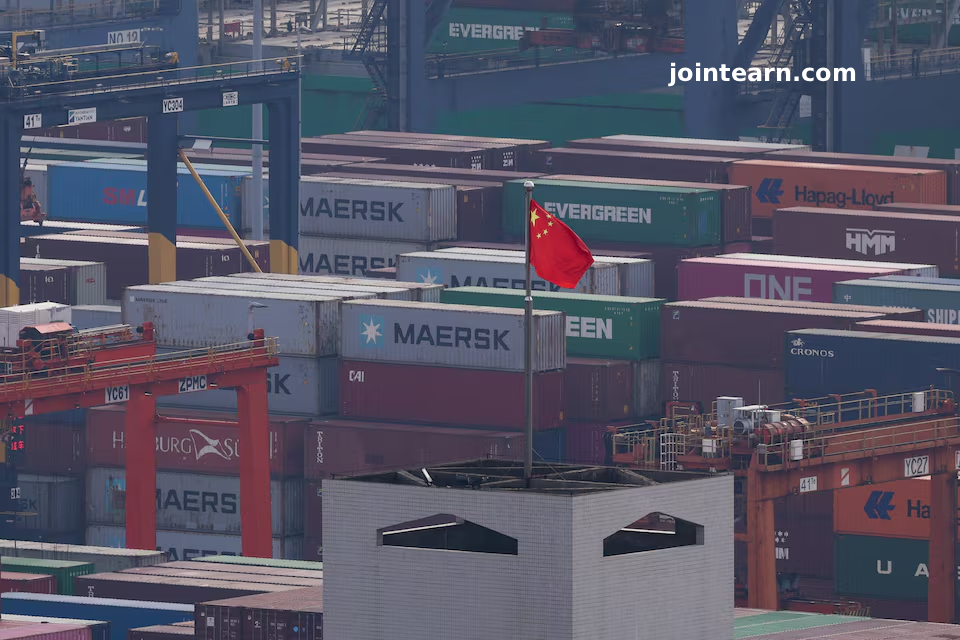
China’s Ministry of Commerce announced on Friday that it will continue imposing anti-dumping duties on rubber products imported from the United States, South Korea, and the European Union. This decision comes as part of an expiry review of the measures initially introduced five years ago, reflecting Beijing’s ongoing efforts to protect its domestic rubber industry from unfairly priced imports.
Anti-Dumping Tariffs for Key Rubber Products
The anti-dumping tariffs apply specifically to ethylene-propylene-non-conjugated diene rubber (EPDM), a material widely used in construction, automotive, and electrical applications. The Ministry of Commerce stated that the duties on imports from U.S., Korean, and EU companies will range from 12.5% to 222%, depending on the producer.
Notably, the highest duties are being applied to major U.S. firms:
- Dow Chemical Company: 222%
- Exxon Mobil Corp: 214.9%
These tariffs are intended to ensure that domestic manufacturers remain competitive and to prevent the influx of rubber products being sold below fair market value.
Economic and Industrial Context
The EPDM rubber sector plays a crucial role in China’s construction, automotive, and industrial sectors, with applications in wiring, seals, and various automotive components. Maintaining these tariffs signals China’s commitment to protecting domestic industries from global price fluctuations and trade imbalances.
The move also comes amid heightened trade tensions between China and major trading partners, including the United States and the EU, highlighting the broader context of protective trade measures in key industrial sectors.
Implications for Global Trade
The continuation of anti-dumping duties is expected to influence global rubber markets, particularly affecting exports from the U.S., South Korea, and EU countries. Companies exporting EPDM rubber to China will likely face higher costs and reduced competitiveness, while Chinese producers could benefit from greater pricing stability and market protection.
Industry analysts say the tariffs will have a long-term impact on trade flows, particularly in the automotive and construction supply chains, where EPDM rubber remains a critical input.
Conclusion
China’s decision to maintain anti-dumping duties on U.S., South Korean, and EU rubber imports underscores the country’s strategic approach to protecting domestic industries and ensuring fair competition in its markets. With tariffs ranging up to 222%, major foreign producers such as Dow Chemical and Exxon Mobil will need to navigate higher costs when exporting to China, while local manufacturers are likely to see a more stable and competitive domestic market.


Leave a Reply