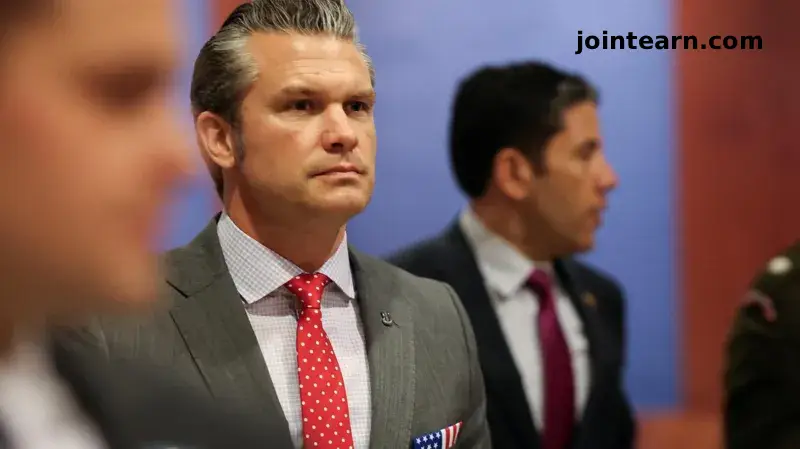
A controversial US military strike on alleged drug-smuggling boats in the Caribbean has sparked questions in Congress over legality, transparency, and accountability. Defence Secretary Pete Hegseth announced that a full, unedited video of the September 2 strikes will be shown to a select group of US lawmakers, but not the general public.
The strikes, part of the Trump administration’s broader counter-narcotics operations in the Caribbean and Pacific, have resulted in at least 90 deaths, raising questions about rules of engagement and adherence to international law.
Congressional Briefing and Limited Access to Video
Hegseth told reporters that the armed services committees in the House and Senate would be allowed to see the unedited footage. Secretary of State Marco Rubio also attended the classified briefing to provide updates on the administration’s efforts to combat the alleged flow of illegal drugs to the US.
While most Republican lawmakers expressed support for the strikes, Democrats raised concerns about the legality and ethical implications. Senator Chuck Schumer questioned the administration’s transparency, asking, “If they can’t be transparent on this, how can we trust their transparency on other issues?”
Senator Adam Schiff has pledged to request that the video be made available to the full Senate, highlighting bipartisan frustration over limited access.
The Strikes and Alleged Drug Trafficking
Since September, the US military has carried out multiple air and naval strikes on vessels alleged to be transporting fentanyl and other drugs to the United States. Most of these announcements have been accompanied by brief social media clips, often grainy, showing boats being destroyed but offering little evidence of the alleged illegal activities or the identities of those on board.
Reports have emerged that two survivors of the initial September 2 strike were killed during a follow-up strike, raising legal and ethical questions. The Pentagon maintains that all strikes were conducted in accordance with the law of armed conflict, but critics argue that the lack of transparency undermines public trust.
Legal and Political Controversies
The strikes have reignited debate over the legality of attacking vessels in international waters. Some lawmakers, including Senator Thom Tillis, emphasize the importance of reviewing the full video to determine if the operations were lawful and whether the decision-making process met legal standards.
The Trump administration has described the mission as part of a broader campaign against narco-terrorism, linking it to Venezuelan President Nicolás Maduro and his alleged involvement in drug trafficking through the so-called Cartel of the Suns.
While some Republicans view the strikes as a means to pressure Maduro and protect the US from illegal drugs, Democrats and international law experts caution that repeated lethal operations could violate international legal norms and risk escalating regional tensions.
Venezuelan Response and Regional Implications
Venezuelan officials, including President Maduro and Attorney General Tarek William Saab, have condemned the strikes, calling them an attempt by the US to destabilize the government. Maduro accused Washington of seeking to seize control over Venezuela’s natural resources, while Saab described the US actions as motivated by “great envy.”
Republican lawmakers, however, have framed the strikes as a necessary intervention. Senator Rick Scott stated, “Maduro should be in prison, or get the hell out of Venezuela,” while Senator Lindsey Graham argued that the ultimate goal is to replace the Maduro regime with a government less threatening to the US.
Ongoing Debate and Oversight
The controversy continues as lawmakers debate the balance between counter-drug operations and adherence to legal and ethical standards. A defense spending bill passed by the House would require the Pentagon to provide full unedited strike videos to armed services committees, but the Senate has yet to pass similar legislation.
With tensions escalating in the Caribbean and Latin America, the debate over US military operations highlights the challenges of countering drug trafficking while maintaining transparency, legality, and regional stability.


Leave a Reply