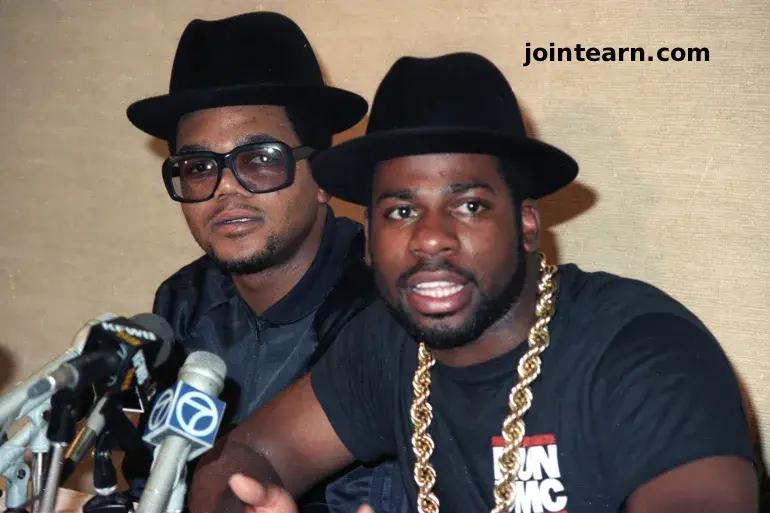
A U.S. judge has overturned the murder conviction of Karl Jordan Jr., one of two men previously found guilty in the 2002 killing of rap legend Jam Master Jay, a founding member of the iconic hip-hop group Run-DMC. The ruling comes nearly two decades after the tragic shooting that shocked the music world and remains a pivotal case in hip-hop history.
Details of the Overturned Conviction
Judge LaShann DeArcy Hall granted a rare judgment of acquittal for Jordan, citing insufficient evidence from prosecutors to prove he had motive or intent to commit the crime. Co-defendant Ronald Washington, a longtime friend of the rapper, remains convicted, as the court denied a similar motion for acquittal.
Jordan, the godson of Jason Mizell (Jam Master Jay’s legal name), and Washington had been found guilty in February 2024 of murder while engaged in narcotics trafficking. The case alleged the killing stemmed from a dispute over a cocaine distribution deal in Baltimore, with Mizell operating as a “middleman.”
“To draw the conclusions urged by the government would exceed the bounds of reason and require plainly impermissible speculation,” Judge DeArcy Hall wrote in her 29-page opinion.
Background on Jam Master Jay and Run-DMC
Jason Mizell, professionally known as Jam Master Jay, was instrumental in shaping the rap scene of the 1980s. Alongside Darryl “DMC” McDaniels and Joseph “DJ Run” Simmons, Mizell helped bring hip-hop into the mainstream with hits such as It’s Tricky and a cover of Aerosmith’s Walk This Way from the best-selling 1986 album Raising Hell.
Run-DMC was among the first hip-hop acts to appear on MTV and pioneered a style that incorporated street fashion, rock influences, and socially conscious lyrics, setting the template for generations of rappers to follow.
Before his death, Mizell also made significant contributions to the local music community in New York, mentoring young artists and co-founding a DJ academy to train emerging talent.
Circumstances of the 2002 Shooting
On the night of October 30, 2002, Mizell was shot in his New York City recording studio. Prosecutors argued the attack was connected to a cocaine deal dispute involving Jordan and Washington. However, evidence failed to demonstrate that Jordan had any motive or intent to retaliate against Mizell, leading to the judge’s decision to overturn his conviction.
A third individual, Jay Bryant, has been indicted separately and is set to face trial for the killing. Jordan has consistently maintained that Bryant was the one who shot Mizell at close range.
Legacy and Impact
The murder of Jam Master Jay followed a string of tragic losses in the hip-hop community, including the deaths of Tupac Shakur and The Notorious B.I.G. in the 1990s. These high-profile cases have left an enduring mark on the music industry and raised awareness about violence affecting artists.
Mizell’s son, Jesse Mizell, told Rolling Stone that his father’s life and career serve both as an inspiration and as a cautionary tale about the enduring impact of environment and circumstances on personal choices.
Run-DMC’s pioneering influence reshaped hip-hop culture, blending musical innovation with social commentary, and Jam Master Jay’s contributions continue to be celebrated posthumously by fans and artists alike.


Leave a Reply