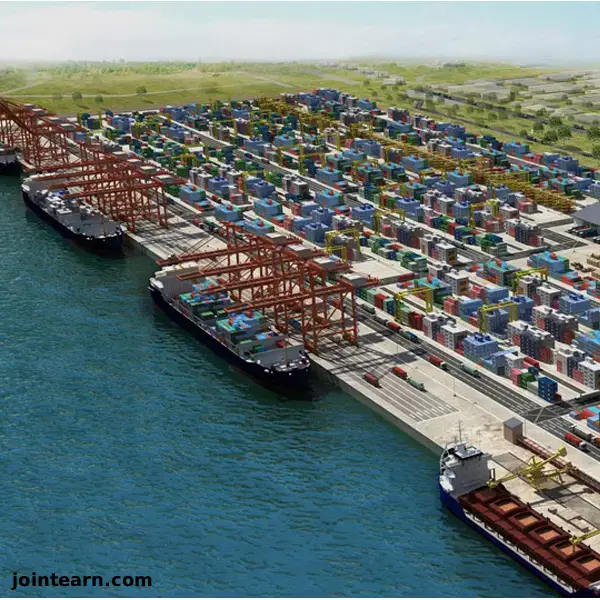
The Nigerian Ports Consultative Council (NPCC) has declared cybersecurity a critical and non-negotiable priority for the nation’s maritime sector, emphasizing the urgent need to protect port operations as artificial intelligence (AI) and digital systems become central to global shipping.
Speaking at the Council’s quarterly meeting in Lagos, NPCC Chairman Bolaji Sunmola stressed that technology now underpins every aspect of port management, from vessel traffic control and cargo handling to inspections, documentation, and regulatory workflows. However, he warned that rapid digitalization exposes ports to sophisticated cyber threats capable of crippling trade and disrupting operations.
To address these risks, Sunmola unveiled the NPCC Cybersecurity & Digitalisation Taskforce, tasked with developing practical strategies to safeguard ports and terminals nationwide. The taskforce is a key component of the Council’s 2026 strategic roadmap.
Sunmola also outlined plans to expand capacity-building programs, including cybersecurity awareness, AI literacy, and data governance training for frontline workers, regulators, and private operators. “Investing in human capacity is essential to complement our digital infrastructure initiatives,” he said.
Reaffirming support for the National Single Window project, Sunmola described it as crucial for secure, seamless integration of port systems across Nigeria and pledged to promote inclusive digital development beyond Lagos, along the entire maritime corridor.
The meeting featured operational briefings from major maritime agencies, including the Nigerian Ports Authority (NPA), Nigeria Customs Service (NCS), Nigerian Shippers’ Council (NSC), Nigeria Immigration Service (NIS), and the Nigeria Police, highlighting efforts to improve port efficiency, security, and compliance.
In his keynote address, Rear Admiral Francis Akpan (Rtd) highlighted emerging cyber risks in global maritime operations, stressing the need for proactive risk management and strengthened inter-agency coordination to protect Nigeria’s ports in an increasingly automated and digital environment.


Leave a Reply