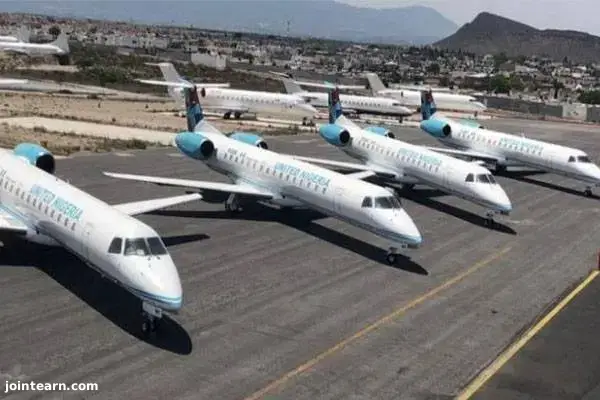
Domestic airlines in Nigeria are facing a sustained decline in passenger traffic, prompting concern among operators and industry stakeholders. Federal Airports Authority of Nigeria (FAAN) data shows that passenger traffic at local airports dropped from 14.06 million in 2022 to 12.54 million in 2024, an 11% decline over three years.
Major hubs such as Lagos (Murtala Muhammed Airport) and Abuja (Nnamdi Azikiwe Airport) recorded fluctuating passenger numbers, with Lagos declining from 4.35 million in 2022 to 4.13 million in 2024, while Abuja slightly increased to 4.37 million in 2024. Smaller airports like Port Harcourt and Kano also saw lower traffic.
Industry leaders attribute the decline to inflationary pressures, high airfares, poor disposable income, and weak leisure travel demand. Mr. George Uriesi, MD of Ibom Air, reported a 27% drop in passenger traffic in early 2025 compared with the same period in 2024, calling for urgent action to stimulate local travel.
Experts, including Captain Ado Sanusi of Aero Contractors, stressed the need for collaboration between airlines and government to reduce fares, cut taxes, and promote tourism and leisure travel. Gbenga Onitilo of Travelden highlighted structural inefficiencies within airlines—such as fleet management, route planning, and revenue management—as contributing to underperformance.
Despite recent declines, observers note that passenger traffic in the latter half of 2025 shows signs of recovery, helped by stabilization in exchange rates and easing inflation, suggesting potential for a sector turnaround if airlines adopt global-standard strategies run locally with discipline.


Leave a Reply