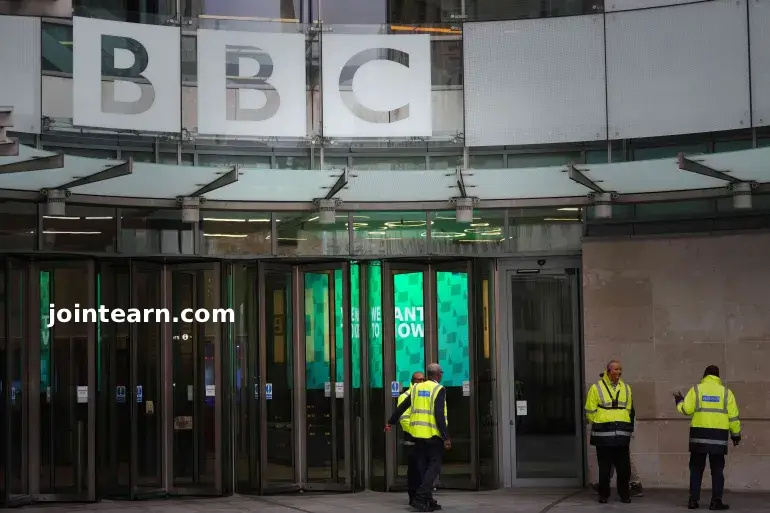
U.S. President Donald Trump has filed a landmark lawsuit against the BBC, seeking at least $10 billion in damages over a controversial documentary that edited his speech before the January 6, 2021, U.S. Capitol riot. The lawsuit, filed in federal court in Miami, has drawn attention from media analysts and legal experts, reigniting debates over defamation, free speech, and media accountability.
Background of the Lawsuit
On December 16, 2025, Trump’s legal team submitted the lawsuit, claiming that the BBC’s Panorama documentary misrepresented his words during a speech to supporters ahead of the Capitol attack. The lawsuit alleges two counts against the UK-based broadcaster: defamation and violation of the Florida Deceptive and Unfair Trade Practices Act, with each count seeking damages of at least $5 billion.
Trump confirmed the lawsuit during a White House press briefing, stating, “I’m suing the BBC for putting words in my mouth, literally … I guess they used AI or something. That’s called fake news.”
Claims Against the BBC
The core of Trump’s argument is that the BBC edited his January 6 speech to make it appear as though he explicitly encouraged violence. Specifically, the documentary spliced together phrases like “march on the Capitol” and “fight like hell,” while omitting sections in which Trump called for peaceful protest.
Trump’s lawyers argue that this selective editing caused “overwhelming reputational and financial harm,” accusing the BBC of acting with reckless disregard for the truth and promoting a politically biased narrative against him.
BBC Response and Apology
The BBC has confirmed it will defend the case in court but has refrained from further comment. The broadcaster previously issued a public apology, acknowledging that its editing of the footage “gave the mistaken impression that President Trump had made a direct call for violent action.” Despite the apology, Trump’s lawsuit claims that the BBC has shown “no actual remorse” and has failed to implement meaningful institutional safeguards to prevent future editorial misjudgments.
Legal experts note that under U.S. law, Trump will face a high bar to prove defamation, given the strong First Amendment protections for freedom of speech and the press. The BBC could argue that the documentary was “substantially true” and that the edits did not create a materially false impression.
Political and Media Implications
The dispute comes amid a series of legal battles between Trump and major U.S. media organizations. The former president has previously filed lawsuits against CBS, ABC, The New York Times, The Wall Street Journal, and a newspaper in Iowa, citing defamatory coverage. While some media outlets settled, others denied wrongdoing.
The Panorama documentary’s release shortly before the 2024 presidential election led to a public relations crisis for the BBC, culminating in the resignations of its two most senior officials. British minister Stephen Kinnock emphasized that the BBC had apologized and that there was “no grounds for legal action,” highlighting the tension between journalistic accountability and legal liability in politically charged reporting.
Broader Context
Trump’s lawsuit against the BBC underscores the growing intersection of media, law, and politics in the United States. It raises questions about the responsibilities of broadcasters when reporting on highly sensitive events, particularly during election periods. Legal analysts suggest that the case could set precedents for how international media outlets are held accountable under U.S. defamation law.
Conclusion
The $10 billion lawsuit represents one of Donald Trump’s most significant legal challenges against a foreign media organization. It highlights ongoing debates over editorial integrity, political bias in media coverage, and the legal protections afforded to public figures. As the case proceeds in Miami’s federal court, it will be closely watched by media organizations, legal experts, and political commentators around the world.


Leave a Reply