Soldiers Convicted in High-Profile Case
In a landmark ruling, eleven Ecuadorean soldiers were sentenced to 34 years and eight months in prison each after being found guilty of the forced disappearance of four young boys last year. The case, which shocked Ecuador and drew international attention, involved the brutal deaths of boys aged 11 to 15.
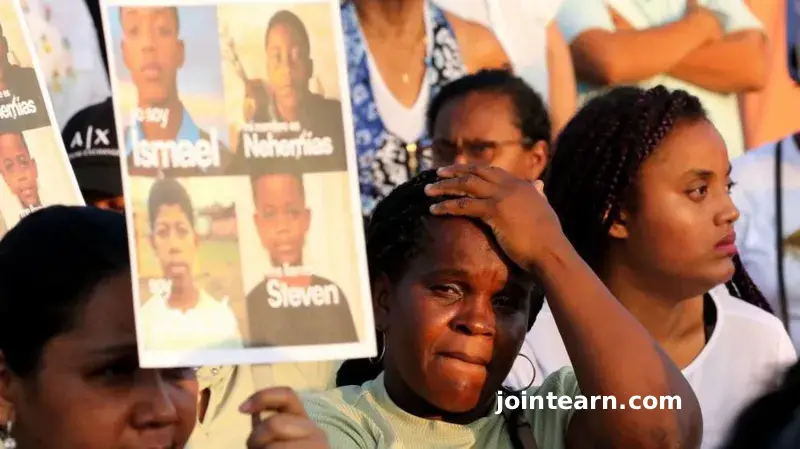
The victims—Nehemías Arboleda (15), Steven Medina (11), and brothers Ismael (15) and Josué Arroyo (14)—were collectively known as the Malvinas Four, named after the neighborhood in Guayaquil where they lived. Their disappearance highlighted deep concerns over the use of military force in the government’s crackdown on gang violence.
The Disappearance and Discovery of the Boys
The court found that a military patrol had intercepted the boys as they returned from playing football. The patrol reportedly forced the boys to strip, subjected them to severe beatings, and abandoned them in a desolate, dangerous location.
One of the boys even managed to call his father before they were taken, but by the time he arrived, they were gone. Days later, their beaten and burned bodies were discovered near a military base in Guayaquil, sparking national outrage.
Trial and Sentencing Details
Seventeen soldiers faced trial over the incident. While eleven received 34-year prison sentences, five others were given reduced sentences of 2.5 years for cooperating with the prosecution. A lieutenant-colonel who had not been on patrol with the rest of the group was acquitted.
The court concluded that the soldiers’ actions were deliberate, highlighting the inhumane treatment inflicted on the boys. Evidence from cooperating soldiers revealed that the patrol subjected the victims to racist insults, beatings, and simulated executions before abandoning them.
Government and Legal Response
The soldiers had been patrolling as part of Ecuador’s ongoing effort to combat rising gang violence. Initially, defense officials claimed that the boys were suspected of robbery, but the judge dismissed this argument, stating that the boys were innocent victims of a state crime.
The ruling also included:
- Official apologies to the families of the victims
- Orders to commemorate the four boys with a plaque
- Mandatory human rights training for military personnel
The judge emphasized that leaving the boys in a remote, unsafe area directly caused their deaths, though it remains unknown who burned their bodies.
Public Outcry and Human Rights Implications
The case has brought renewed attention to military accountability in Ecuador and the need for stricter oversight of security forces during anti-crime operations. Human rights advocates hailed the ruling as a significant step toward justice for victims of state violence and forced disappearances.
“This ruling sends a clear message that state agents are not above the law, and that human rights must be upheld even during security operations,” said a local human rights spokesperson.
The Malvinas Four case underscores the vulnerability of children in conflict zones and highlights the critical need for human rights training within military operations.
Conclusion
The sentencing of the eleven soldiers represents a landmark moment in Ecuador’s fight against state-sanctioned violence and the protection of children. While the loss of the Malvinas Four remains a tragedy, the court’s decision reinforces accountability, justice, and the imperative for reforms in the military’s treatment of civilians.


Leave a Reply