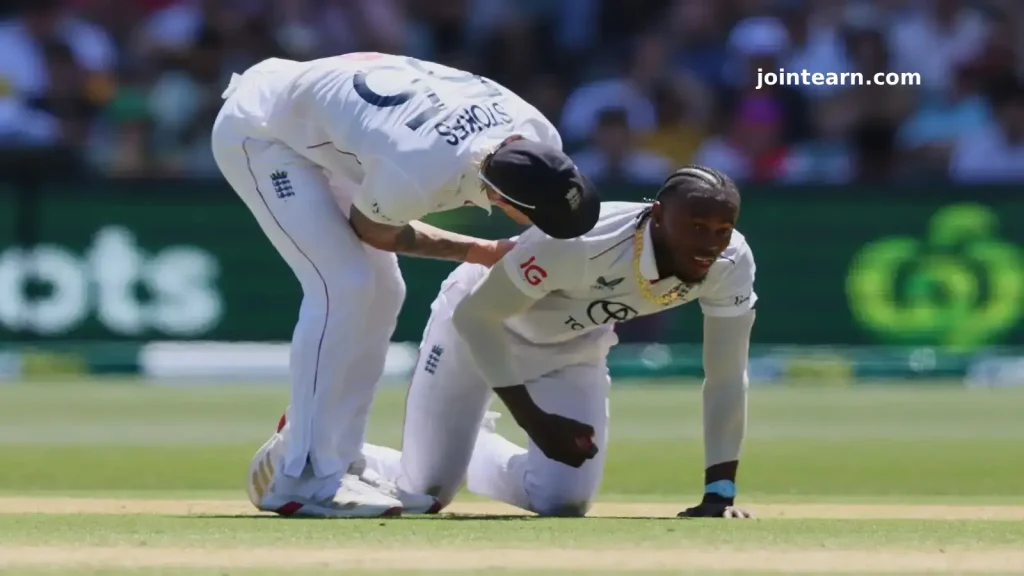
England’s 3-0 Ashes defeat in Australia is unquestionably one of the most disappointing tours in recent memory. Despite flashes of promise, poor preparations, inadequate warm-ups, and off-field distractions left the team unable to compete with the dominant Australians.
McCullum Admits Mistakes, Holds Hope for Future
Coach Brendon McCullum has openly acknowledged the mistakes made in preparation, particularly the decision to forgo proper warm-up matches. This admission is significant; it shows accountability, which has been lacking in previous England hierarchies.
For cricket pundits, McCullum’s willingness to admit error is a positive sign, suggesting that he and captain Ben Stokes can rebuild the England Test side together.
“If he had stubbornly stuck to his guns… I and many others would have been wondering if he should still be in the job,” Agnew writes.
Stokes Remains Committed Despite Defeat
Stokes, visibly frustrated yet resolute, has indicated he wants to continue as England captain. Observers note that England performs better under his leadership, and his presence in the team is crucial for stability and morale.
Although vice-captain Harry Brook has shown inconsistency, Stokes’ leadership remains a central pillar of the side. Agnew notes that England’s Adelaide Test performance was their best of the series, offering a glimmer of hope for the future.
The Need for Stronger Oversight
While McCullum and Stokes show promise, managing director Rob Key is seen as the weak link in the hierarchy. ECB leadership may be tempted to hold Key accountable, given his tendency to approve decisions without challenge.
Agnew highlights the importance of opposing personalities in leadership, comparing England’s setup unfavorably to successful pairings like Michael Vaughan and Duncan Fletcher in 2005, or Eoin Morgan and Trevor Bayliss in 2019.
A stronger guiding hand—perhaps Alec Stewart, given his Surrey experience—could help balance the team’s approach to preparation, planning, and on-field strategy.
Lessons from Adelaide: Preparation and Dressing Room Culture
England’s players, including Zak Crawley and Jamie Smith, showed promise during the Adelaide Test. Crawley’s 85 and Smith’s 60 in the second innings reflected potential squandered earlier due to poor preparation.
Agnew stresses that dressing room culture is also key. Players should feel empowered to request preparation opportunities, like participating in a day-night match in Canberra, to acclimatize to conditions. Healthy debate and internal competition are essential for a modern team environment.
Bazball as We Knew It Is Gone
Agnew concludes that the aggressive, high-tempo “Bazball” approach is effectively over in its previous form. However, with reflection, accountability, and improved off-field planning, McCullum and Stokes have the chance to rebuild a more mature and considered England side.
“If this is the start of a more mature and considered tempo, backed up by change off the field, then there can be a future,” Agnew writes.


Leave a Reply