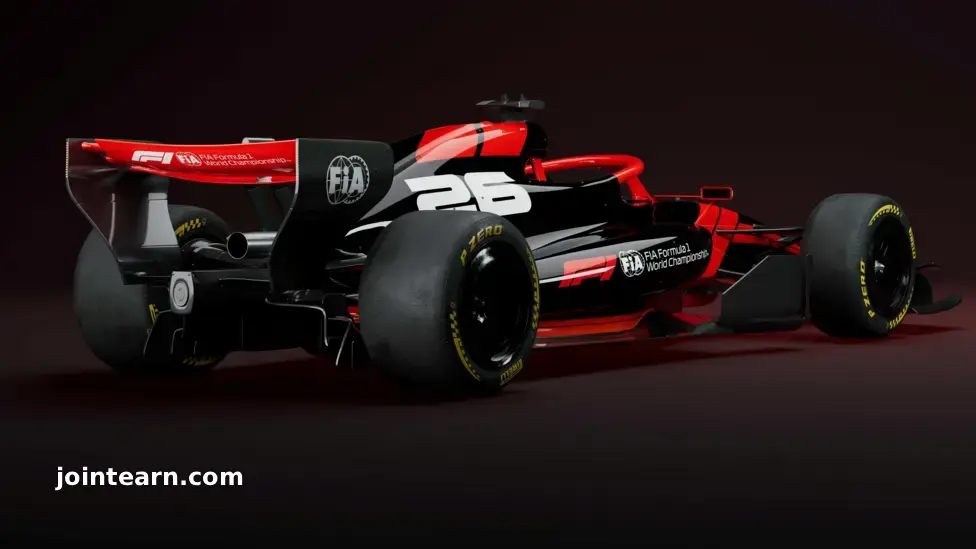
Formula 1 is preparing for one of the biggest regulation changes in its history in the 2026 season, and with it comes a new set of terminology aimed at helping fans understand the sport’s technical innovations. The upcoming cars will be smaller, lighter, and more environmentally friendly, featuring a range of driver-controlled modes and advanced aerodynamics.
Why F1 Changed the Terminology
With the introduction of new chassis, engine rules, and mandatory sustainable fuels, F1’s hybrid engines will have a significantly higher electrical capacity. This requires drivers to carefully manage energy deployment, regeneration, and conservation throughout the race, including during qualifying laps.
The FIA and Formula 1 consulted a wide range of fans—both casual and hardcore—through polling, their 50,000-strong Fan Voice community, and discussions with teams and technical experts. The aim was to simplify complex technical concepts with terms that clearly describe what each system does.
This means older labels like “x-mode” and “z-mode” for active aerodynamics have been replaced with straightforward, descriptive terminology.
Key F1 2026 Technologies and Modes
Overtake Mode
Replacing the previous DRS system, Overtake Mode gives drivers a temporary burst of extra electrical energy when within one second of the car ahead. This helps facilitate overtaking by boosting engine power and speed at crucial moments.
Boost Mode
Boost Mode allows drivers to manually deploy energy from the energy recovery system for either attack or defense. By pressing a button, drivers gain maximum combined power from the internal combustion engine and the battery. Strategic use is essential as total energy is limited.
Active Aero
Both the front and rear wings adjust angles dynamically:
- Straightaways: Wings open for lower drag and higher top speeds.
- Corners: Wings close to maximize downforce and improve handling.
Recharge
Drivers can recharge their battery by recovering energy from braking or when partially lifting the throttle at the end of straights or through corners. This system is crucial for managing energy throughout the race.
Changes to the Cars
The 2026 F1 cars will be smaller, lighter, and nimbler:
- Wheelbase reduced by 200mm to 3,400mm
- Width reduced by 100mm to 1,900mm
- Minimum weight down by 30kg
- Downforce reduced by 15–30%, though teams may regain some during development
- Drag reduced by 40%
Tyres will remain 18-inch rims but will be narrower, by 25mm at the front and 30mm at the rear. Combined with active aerodynamics, these changes are expected to improve racing and overtaking.
Engine Upgrades and Sustainable Fuel
The 1.6-litre V6 turbo hybrid engines will now have roughly a 50-50 split between internal combustion and electrical power, compared to about 20% electrical this year. The complex MGU-H device has been removed to simplify the hybrid system and reduce costs.
All cars will run on fully sustainable fuel, produced from biomass or synthetic industrial processes, marking a significant step toward F1’s environmental goals.
What This Means for Fans
The new television graphics will indicate which mode a driver is using—Overtake, Boost, Active Aero, or Recharge—making it easier for fans to understand the strategic and technical elements of the race.
These changes are designed to make Formula 1 racing more exciting, faster, and environmentally friendly while giving drivers more control over their cars’ performance throughout each race.


Leave a Reply