Nearly two months into the ceasefire in Gaza, doctors and humanitarian workers warn that the territory’s already devastated healthcare system is edging even closer to collapse. Despite the halt in large-scale fighting, critical medical supplies are still not entering the besieged enclave, leaving hospitals unable to treat patients with even the most basic needs.
Healthcare officials say the situation remains dire: while non-essential items such as sweets, mobile phones and electric bicycles are permitted to enter, essential medical supplies — including antibiotics, IV solutions and surgical materials — continue to be blocked.
Severe Shortages Leave Hospitals Unable to Treat Patients
According to Dr Munir al-Bursh, director general of Gaza’s Ministry of Health, more than half of essential medicines are now unavailable.
“We are facing a situation in which 54 percent of essential medicines are unavailable, and 40 percent of the drugs needed for surgeries and emergency care are missing,” he told Al Jazeera. These shortages, doctors say, make it extremely difficult to provide safe or effective treatment for patients who arrive at hospitals daily with urgent medical needs.
The Health Ministry says that Israel is allowing only five trucks of medical supplies into Gaza each week — three allocated to international organisations and just two sent to government-run hospitals. This falls dramatically short of what humanitarian agencies say is needed under the ceasefire agreement, which requires hundreds of aid trucks to enter Gaza daily.
Ceasefire Violations and Escalating Humanitarian Strain
Local journalists report that Israel has committed hundreds of violations of the ceasefire over the past two months, further complicating aid delivery and fueling insecurity on the ground. With essential supplies restricted, other humanitarian needs have also intensified.
Cooking gas, for example, is at just 16 percent of what the population requires. Families have been forced to resort to burning wood, cardboard and scraps to keep warm or prepare food. Shelter is another major concern, as tents, tarps and basic materials needed to withstand winter weather remain in short supply.
Patients With Chronic Illnesses Hit Hardest
People living with chronic medical conditions face especially difficult circumstances.
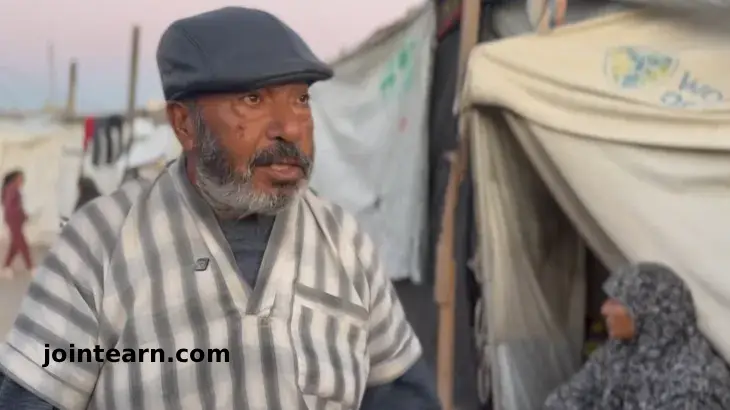
Naif Musbah, a 68-year-old resident of the Nuseirat refugee camp who lives with colon cancer, told Al Jazeera that supplies he depends on for basic daily functioning are unavailable.
“I need colostomy bases and bags so I can attach them properly,” he said. “They are not available. There’s also no gauze, cold packs, adhesive tape, gloves or disinfectant solution — nothing.”
Without these essential items, patients like Musbah say they struggle not only with their health but with the loss of dignity caused by the lack of proper care.
Doctors Forced to Improvise as Hospitals Struggle to Survive
The shortages have forced doctors across Gaza to improvise in ways that make providing medical care extremely challenging. Families often search for simple supplies on their own — things that under normal circumstances would be readily available in hospitals.
This crisis follows more than two years of sustained conflict in which nearly all of Gaza’s healthcare facilities were damaged or destroyed. According to the Health Ministry, at least 125 health facilities were hit during the war, including 34 hospitals. More than 1,700 healthcare workers — among them doctors, nurses and paramedics — were killed.
Even with parts of some facilities beginning to reopen, like sections of the al-Shifa Hospital, operations remain extremely limited due to shortages of power, medicine and staffing.
Humanitarian Agencies Call for Immediate Access
International organisations continue to call for the full and immediate opening of all land crossings into Gaza so that food, medicine, water, shelter materials and fuel can enter without delay.
With the healthcare system weakened beyond its limits, aid groups stress that the ceasefire alone is not enough to prevent further loss of life. Restoring access to essential medical supplies is a critical step to stabilizing conditions and preventing the collapse of Gaza’s remaining hospitals.


Leave a Reply