Germany has announced that it will lift restrictions on arms exports to Israel, citing the ceasefire agreement between Israel and Hamas in Gaza. The decision, scheduled to take effect on November 24, 2025, marks a significant shift in Berlin’s approach to military support for Israel, which has been at the center of international scrutiny due to ongoing hostilities and humanitarian concerns in Gaza.
Sebastian Hille, spokesperson for the German chancellor, told reporters that the decision reflects Berlin’s assessment that the October 10 ceasefire has “fundamentally stabilised” the situation in Gaza. He added:
“We expect everyone to keep to the agreements that were reached – that includes the ceasefire holding, that includes humanitarian aid being provided on a large scale and the process continuing to run in an orderly way, as agreed.”
Background: Suspension of Arms Exports
Chancellor Friedrich Merz had imposed the restrictions in August after the Israeli government launched a campaign in Gaza City, aiming to seize and destroy the largest urban center in the enclave. The suspension came amid mounting international criticism of Israel’s military operations, which human rights experts have described as genocidal in scale.
Germany has been one of Israel’s top arms suppliers for years. According to the Stockholm International Peace Research Institute (SIPRI), Germany accounted for 30 percent of Israel’s major arms imports between 2019 and 2023, including naval equipment such as Saar 6-class frigates, which have been used in operations against Gaza.
Conditional Arms Exports Going Forward
Hille emphasized that Germany will continue to examine military exports on a case-by-case basis, as is standard practice. However, he did not provide details on the types or volumes of weapons previously held under the suspension, leaving questions about the potential scale of arms deliveries.
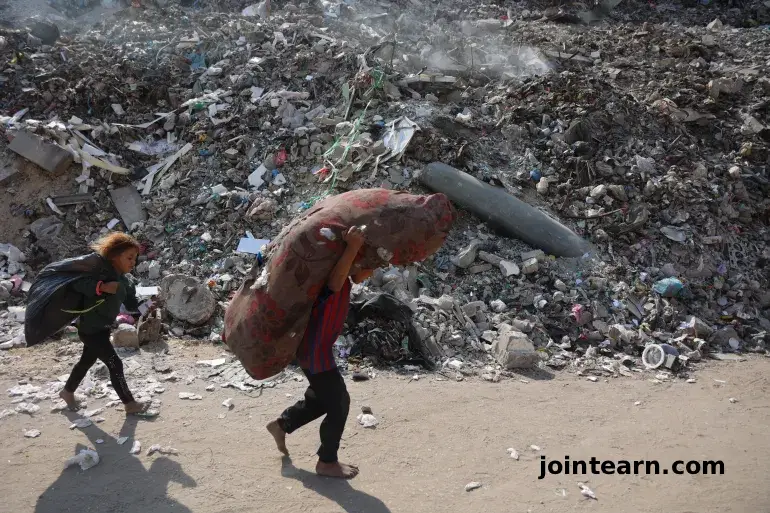
Despite the ceasefire, reports indicate that Israeli forces have continued daily attacks in Gaza, while humanitarian aid and temporary housing remain severely restricted. Recent heavy rains have further worsened living conditions for displaced Palestinians, highlighting the ongoing humanitarian crisis.
Political Implications in Germany and Israel
The decision to lift restrictions has drawn praise from Israeli officials, including Foreign Minister Gideon Saar, who called on other countries to follow Germany’s lead. Saar wrote on X:
“I call on other governments to adopt similar decisions, following Germany.”
Meanwhile, Germany has also faced domestic criticism, as protests against Israel’s actions in Gaza have been repeatedly banned or suppressed, sparking debates over freedom of expression and the government’s stance on the humanitarian crisis. A September poll indicated that 62 percent of Germans believe Israel’s actions in Gaza constitute genocide.
Berlin has consistently emphasized Israel’s right to self-defense, framing the resumption of arms exports as a reaffirmation of this policy despite international concerns about the humanitarian impact.
Looking Ahead
The lifting of Germany’s arms export restrictions comes at a critical moment for the Gaza conflict and international diplomacy. With the ceasefire technically in place but violations continuing, the decision will likely influence European defense policies, Israel’s military capabilities, and ongoing debates about humanitarian accountability.


Leave a Reply