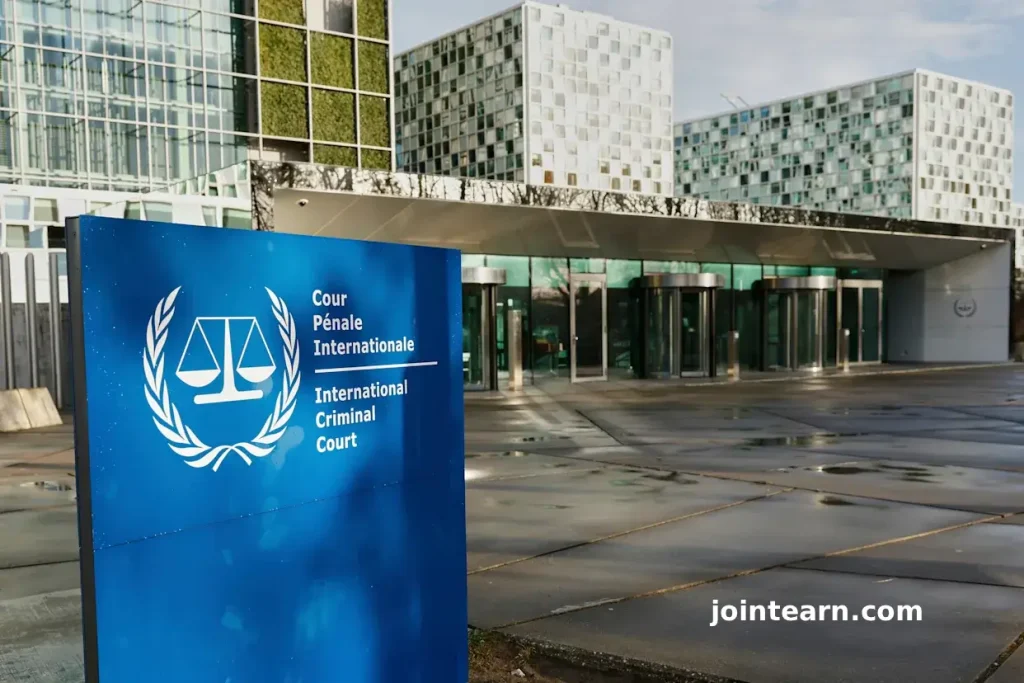
The Hague, Netherlands – Germany has transferred Khaled Mohamed Ali El Hishri, a Libyan man accused of war crimes and crimes against humanity, to the International Criminal Court (ICC), marking a significant step in international efforts to hold perpetrators of atrocities in Libya accountable.
El Hishri is alleged to have been a senior commander at Mitiga prison in Tripoli, where prosecutors say he oversaw or ordered acts including murder, torture, rape, and sexual violence against detainees between 2015 and 2020. German authorities arrested him on July 16, 2025, under a sealed ICC warrant. He had been held in custody in Germany before being surrendered to the ICC’s detention center in The Hague on Monday.
ICC Moves Toward Historic Trial
The ICC described El Hishri’s transfer as “an important development” in bringing justice to victims of Libyan prison atrocities. This case is expected to be the first trial of a Libyan suspect at the court, highlighting the ICC’s role in pursuing accountability for crimes committed during Libya’s ongoing civil conflict.
Following his arrival, El Hishri is scheduled to appear in an ICC courtroom, where judges will:
- Confirm his identity
- Ensure he is fully informed of the allegations
- Review his legal rights
After this initial appearance, a hearing will be scheduled in which prosecutors present a summary of the evidence. A panel of judges will then determine whether the evidence is strong enough to proceed to trial. This preparatory process is expected to take several months.
Background: ICC and Libya
The United Nations Security Council first called on the ICC to investigate crimes in Libya in 2011, during the uprising that toppled longtime dictator Moammar Gadhafi. While the court issued an arrest warrant for Gadhafi, he was killed by rebels before he could be detained.
Currently, the ICC holds arrest warrants for nine other Libyan suspects, including one of Gadhafi’s sons. Earlier in 2025, Libya formally accepted the ICC’s jurisdiction over crimes committed between 2011 and the end of 2027, enabling the court to pursue prosecutions within the country’s ongoing conflict context.
Earlier this year, Italy arrested—but later released—another suspect, Ossama Anjiem (Ossama al-Masri), also accused of crimes at Mitiga prison. His release sparked outrage among human rights organizations, underscoring the ongoing challenges in holding perpetrators accountable.
Significance of El Hishri’s Transfer
Experts say the extradition of El Hishri to the ICC represents a major milestone in international criminal justice, demonstrating that individuals accused of serious human rights violations in Libya can be prosecuted even if they leave the country.
“This is a landmark moment for accountability in Libya,” said an ICC spokesperson. “It sends a clear message that those responsible for crimes against humanity will face justice.”
As El Hishri awaits the next stages of the judicial process, the ICC and global human rights organizations are closely monitoring the case, which could set a precedent for future prosecutions of Libyan war crimes suspects.


Leave a Reply