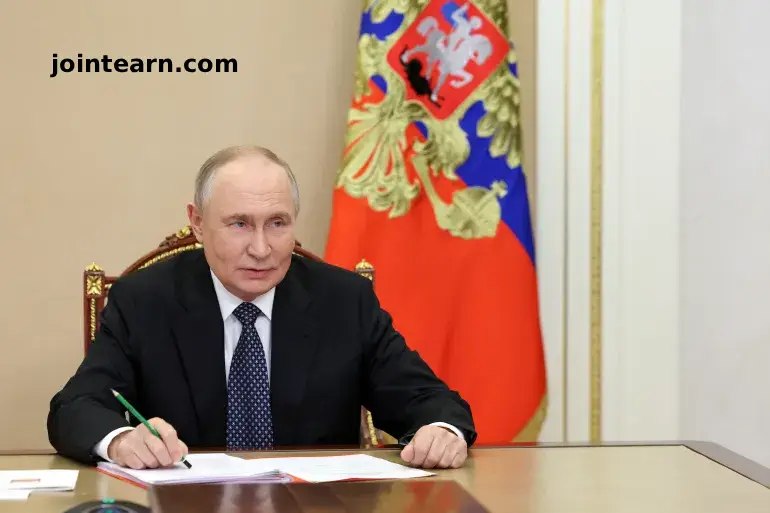
United States envoys, including Steve Witkoff and President Donald Trump’s son-in-law Jared Kushner, are scheduled to meet Russian President Vladimir Putin in Moscow to discuss the latest version of a proposed US peace plan aimed at ending the war in Ukraine.
The White House expressed optimism ahead of the talks, emphasizing a “very optimistic” outlook for reaching a diplomatic agreement. However, Ukraine remains cautious, warning that the plan could still heavily favor Russian demands, which are difficult for Kyiv to accept.
Background of the Peace Initiative
The conflict in Ukraine began in February 2022 when Russia launched a full-scale invasion, triggering a war that has since resulted in massive casualties and territorial disputes.
Trump’s envoys are part of a renewed US diplomatic push to negotiate a resolution. Last week, a 28-point draft proposal was leaked, drawing criticism for appearing to serve as a Russian “wish list,” including provisions for Ukraine to:
- Cede significant territory
- Limit its military capacity
- Abandon efforts to join NATO
Since the leak, the plan has undergone revisions, incorporating feedback from Kyiv and its European allies during discussions earlier this week. Full details of the updated proposal remain undisclosed.
Ukraine’s Stance
President Volodymyr Zelenskyy stressed that maintaining Ukraine’s territorial integrity remains the “biggest challenge” in ongoing negotiations. Following meetings in Paris with US and European officials, Zelenskyy described the latest draft as “looking better” but noted that control over Ukrainian territories remains the most contentious issue.
French President Emmanuel Macron, speaking alongside Zelenskyy, emphasized that while diplomatic activity could mark a potential turning point, Ukraine must ultimately determine its own borders.
Russia’s Position
President Putin has stated that Moscow views the US proposals as a “basis for future agreements,” but he has also warned that refusal to comply could lead to continued Russian military advances.
“Ukrainian troops must withdraw from the territories they hold, and then the fighting will cease. If they don’t leave, then we shall achieve this by armed means. That’s it,” Putin said recently.
While Kremlin spokesman Dmitry Peskov avoided specifying Russia’s red lines, Moscow has consistently insisted that any ceasefire must meet its maximalist demands, a stance Kyiv and its allies view as highly disadvantageous.
Ongoing Conflict on the Front Lines
Despite ongoing negotiations, fighting continues in eastern Ukraine. Russian forces reportedly captured the strategic town of Pokrovsk, although Ukrainian officials contest this, stating they still control the northern part of the town and are mounting counter-assaults in the south.
Currently, Russian forces occupy more than 19 percent of Ukraine, with recent advances marking the fastest territorial gains since 2022. US officials report that over 1.2 million personnel have been killed or injured in the conflict, though neither Ukraine nor Russia provides official casualty numbers.
Next Steps
Witkoff and Kushner’s Moscow visit represents a critical moment in US-led diplomatic efforts to resolve the war. Analysts say the success of the talks will largely hinge on Ukraine’s ability to retain sovereignty over key territories while accommodating a ceasefire that satisfies both Russian and international stakeholders.
The coming weeks are expected to be pivotal for Ukraine peace negotiations 2025, as global attention focuses on whether diplomacy can finally halt the ongoing violence that has gripped the region for nearly four years.


Leave a Reply