Record Global Arms Revenues Driven by Wars and Geopolitical Tensions
Revenues from the world’s top 100 arms-producing companies reached an unprecedented $679 billion in 2024, fueled by ongoing conflicts in Gaza and Ukraine, rising military expenditures, and heightened global tensions, according to the Stockholm International Peace Research Institute (SIPRI).
The report highlights a 5.9 percent increase in total arms sales compared to 2023, marking a significant surge in profits for major defense contractors across North America and Europe. While most regions saw growth, revenues in Asia and Oceania declined slightly due to challenges in China’s arms industry.
United States and European Defense Giants Lead the Market
US-based companies dominated the rankings, with Lockheed Martin, Northrop Grumman, and General Dynamics collectively generating $334 billion, a 3.8 percent increase from 2023. 30 of 39 US companies in the top 100 posted revenue gains.
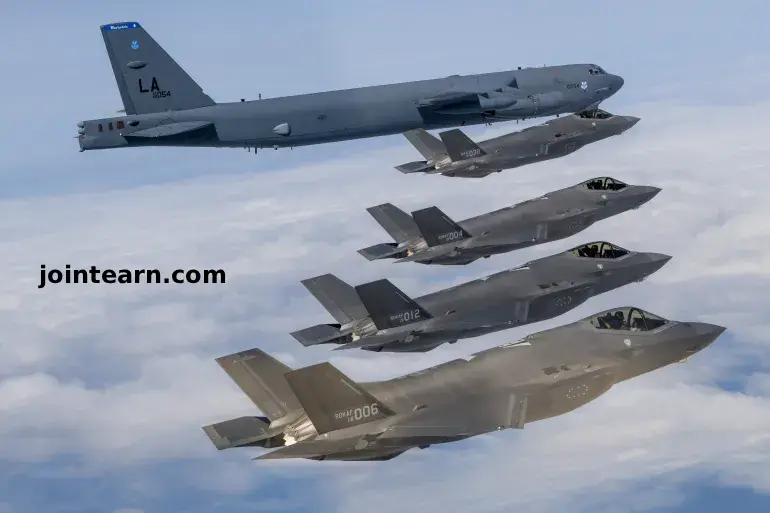
Despite soaring profits, major projects such as the F-35 fighter jet, Columbia and Virginia-class submarines, and the Sentinel intercontinental ballistic missile continue to face budget overruns and delays.
European companies also saw strong growth, with 26 firms excluding Russia generating a total of $151 billion, up 13 percent, thanks to new production capacities and increased arms exports to Ukraine. Czech firm Czechoslovak Group recorded the highest percentage increase, boosting revenues 193 percent to $3.6 billion by supplying artillery shells for Ukraine.
Rising Profits for SpaceX and Emerging Companies
For the first time, Elon Musk’s SpaceX entered the top 100 global arms producers after arms revenues doubled to $1.8 billion in 2024, highlighting the growing role of private aerospace and defense contractors in military production.
Other notable European producers, such as JSC Ukrainian Defense Industry, increased arms sales by 41 percent to $3 billion, reflecting the ongoing conflict with Russia in eastern Ukraine.
Middle East and Israeli Arms Profits Surge
The Middle East saw a historic expansion in arms production. Nine companies made the top 100, with total revenues of $31 billion, a 14 percent increase from 2023.
In Israel, three major defense companies—Elbit Systems ($6.28bn), Israel Aerospace Industries ($5.19bn), and Rafael Advanced Defense Systems ($4.7bn)—increased combined revenues by 16 percent amid the ongoing Gaza conflict, which has resulted in nearly 70,000 Palestinian deaths.
SIPRI noted strong international demand for Israeli unmanned aerial vehicles (UAVs) and counter-drone systems, especially after Iran’s ballistic missile and drone attacks on Israel in April and October 2024.
Asia-Pacific: China Faces Challenges, Japan and South Korea Surge
Arms producers in Asia and Oceania generated $130 billion, down 1.2 percent from 2023. Chinese arms manufacturers were hit hardest, with NORINCO’s revenues falling 31 percent due to procurement corruption scandals and postponed contracts.
Conversely, Japanese and South Korean firms saw substantial growth due to rising defense demand amid tensions over Taiwan and North Korea. Five Japanese companies posted a 40 percent increase to $13.3 billion, while South Korean companies, led by Hanwha Group, rose 31 percent to $14.1 billion, with over half coming from exports.
Russian and Turkish Companies Maintain Strong Revenue
Despite Western sanctions, Russian firms Rostec and United Shipbuilding Corporation increased revenues by 23 percent to $31.2 billion.
Turkey also reached a milestone, with five companies entering the top 100 for the first time. Combined revenues totaled $10.1 billion, up 11 percent, with Baykar achieving $1.9 billion, primarily from drone exports to Ukraine.
Global Implications
SIPRI warns that sourcing critical materials, particularly minerals essential for weapons manufacturing, could become increasingly challenging due to China’s tightening export controls. The report underscores the financial incentives created by ongoing geopolitical conflicts and how wars in Gaza, Ukraine, and other regions continue to prop up arms industry profits worldwide.
The expansion of private and international defense contractors, rising arms exports, and geopolitical instability suggest that global military spending will remain a major economic and security factor in 2025 and beyond.


Leave a Reply