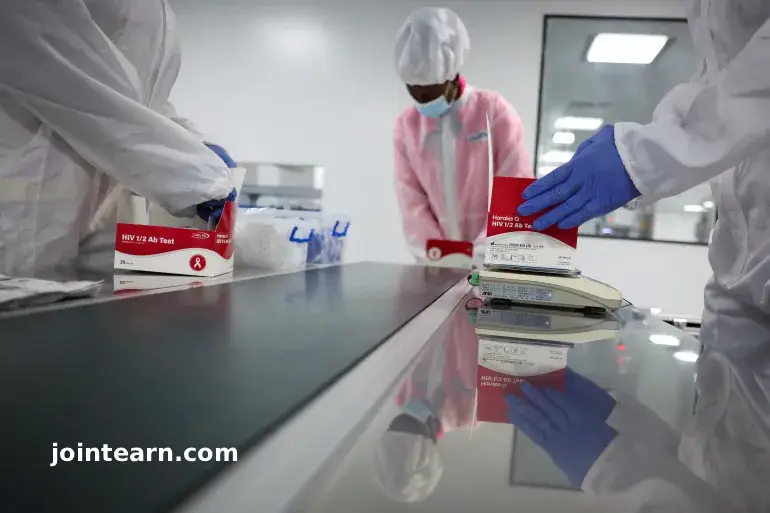
The United Nations AIDS agency (UNAIDS) has warned that global disruptions in funding for HIV treatment and prevention programs have left millions of people worldwide without access to essential care. A new report released on Tuesday highlights the severe impact of international financial shortfalls on efforts to combat HIV/AIDS, particularly in low- and middle-income countries.
U.S. Funding Cuts Trigger Global HIV Crisis
UNAIDS attributed the funding crisis in large part to decisions made by the Trump administration, which suspended all new foreign aid on January 25, 2025, excluding military assistance to Israel and Egypt. While some funding was partially restored later in the year, the dismantling of the U.S. Agency for International Development (USAID) meant that many critical programs were never resumed.
The report notes that these cuts have been exacerbated by broader economic pressures on vulnerable countries, leaving tens of millions of people at risk.
- PrEP usage dropped dramatically due to funding shortfalls: 64% in Burundi, 38% in Uganda, and 21% in Vietnam.
- Condom distribution in Nigeria fell by 55%.
- Over 2 million adolescent girls and young women lost access to essential health services.
- Community-led HIV organizations were devastated, with many forced to close their doors.
Winnie Byanyima, UNAIDS Executive Director, said:
“Behind every data point in this report are real people—babies missed for HIV screening, young women cut off from prevention support, and communities left without services. We cannot abandon them.”
Rising Human Rights Challenges
In addition to funding shortfalls, UNAIDS highlighted a growing human rights crisis. For the first time since 2008, the number of countries criminalizing same-sex sexual activity and gender expression increased in 2025. Anti-rights movements are gaining influence globally, threatening progress in protecting women, girls, people living with HIV, and LGBTIQ+ communities.
Positive Developments Despite Funding Shortfalls
Despite the financial crisis, some countries and regions have taken action to bolster health programs and HIV treatment. Governments in affected areas have sought to increase domestic funding, while local communities have rallied to support vulnerable populations.
The report recommends several strategies to strengthen the global response:
- Restructuring international debt for low-income countries, with a pause on payments until 2030, allowing more resources to be directed to HIV care and prevention.
- Promoting health innovations as global public goods, using prizes rather than patents to encourage accessibility during pandemics.
- Supporting national and regional initiatives to sustain treatment programs and expand prevention access.
UNAIDS warns that immediate and coordinated international action is essential to prevent further setbacks in the global fight against HIV/AIDS, which continues to claim lives and impact millions worldwide.


Leave a Reply