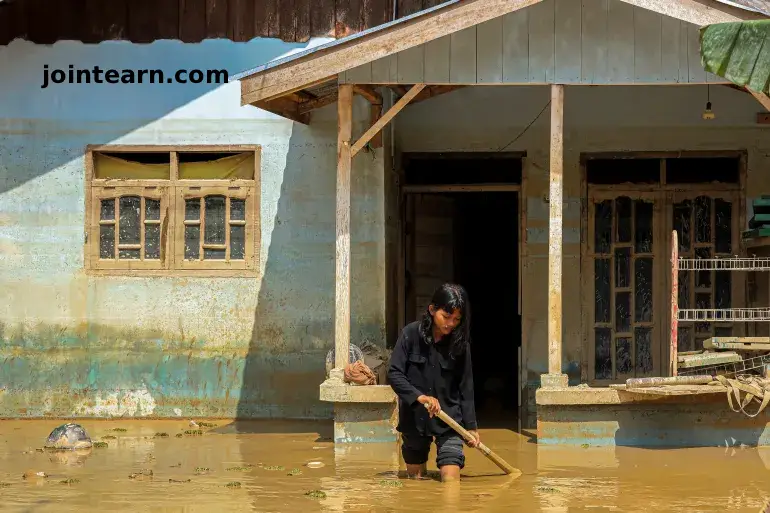
Severe flooding and landslides have wreaked havoc across parts of Asia, leaving more than 1,750 people dead and hundreds still missing, as ongoing heavy rains complicate rescue and recovery operations. The worst-affected countries include Indonesia, Sri Lanka, and Thailand, where entire communities have been displaced and infrastructure severely damaged.
Indonesia Floods: Aceh Province Hit Hard
In Indonesia, the island of Sumatra, particularly Aceh province, has borne the brunt of the disaster. According to the latest reports, at least 908 people have died, and 410 remain missing. More than 800,000 residents have been displaced from their homes, struggling to survive amid mud, debris, and rising waters.
Aceh Governor Muzakir Manaf described the conditions as dire, with search teams navigating “waist-deep” mud in remote villages. He highlighted that starvation is a critical threat for survivors, noting that “people are not dying from the flood, but from starvation.” Entire villages in Aceh Tamiang have been destroyed, leaving roads, homes, and public infrastructure obliterated.
Indonesia’s meteorological agency warned that very heavy rain could continue in Aceh, North, and West Sumatra, posing further risks of flooding and landslides.
Sri Lanka Grapples with Worsening Flood Crisis
In Sri Lanka, the government has confirmed 607 deaths, with 214 people missing and feared dead. Nearly two million people, around 10 percent of the population, have been affected by the floods, which President Anura Kumara Dissanayake described as the nation’s most challenging natural disaster.
The Disaster Management Centre (DMC) reported that over 71,000 homes have been damaged, including nearly 5,000 completely destroyed. Ongoing heavy rains in the central and southern regions are exacerbating the risk of new landslides, slowing cleanup operations and hindering aid delivery.
Thailand, Malaysia, and Vietnam Also Affected
Floods have also struck other countries in the region:
- Thailand: At least 276 deaths reported.
- Malaysia: Two fatalities confirmed.
- Vietnam: Two fatalities due to landslides triggered by torrential rains.
These widespread disasters have stretched local and national relief efforts, with governments and volunteers working tirelessly to provide food, shelter, and medical aid to affected communities.
Climate Change and Environmental Factors Fueling Disaster
Experts warn that climate change is increasing the frequency and intensity of tropical storms, cyclones, and extreme rainfall in Southeast Asia. Last week, simultaneous typhoons and cyclones contributed to the current floods, overwhelming river systems and drainage infrastructure.
Deforestation and illegal logging, particularly in Sumatra, have worsened the impact. Photographs from flood-affected areas show tree logs and debris carried downstream, intensifying damage to communities.
Indonesia’s government has responded by revoking logging licenses for 20 companies covering 750,000 hectares of forest and halting upstream activities of palm oil, mining, and power plant companies in critical watersheds. Environmental Minister Hanif Faisol Nurofiq emphasized the importance of protecting strategic areas like the Batang Toru and Garoga watersheds, which provide both ecological and social functions.
Environmental experts note that forests act like natural sponges, absorbing rainfall and slowing water runoff into rivers. Deforestation removes this protective buffer, causing floodwaters to surge faster, compounding the risk of disasters.
Challenges in Relief and Recovery
Rescue teams continue to face immense obstacles due to persistent rains, blocked roads, and inaccessible areas. In Aceh, starvation and lack of access to basic necessities remain urgent concerns, while Sri Lankan authorities warn of ongoing landslide risks that threaten to undo recovery efforts.
Governments and international organizations are coordinating emergency relief, but the scale of the disaster highlights the growing vulnerability of Asian communities to climate-driven extreme weather.
Conclusion
The 2025 floods in Asia serve as a stark reminder of the devastating effects of climate change, deforestation, and environmental mismanagement. With the death toll surpassing 1,750 and millions displaced, urgent disaster preparedness, sustainable environmental policies, and climate resilience measures are more critical than ever.


Leave a Reply