DOHA, Qatar, December 5, 2025 — An international governing body for the Gaza Strip, part of the next phase of the U.S.-brokered ceasefire, is expected to be formally announced by the end of 2025, according to an Arab official and a Western diplomat. This marks a significant step in implementing the ongoing peace efforts following the devastating two-year Israel-Hamas conflict.
The authority, known as the Board of Peace, will be chaired by former U.S. President Donald Trump and will oversee Gaza’s post-war reconstruction under a two-year renewable U.N. mandate. It is expected to include around a dozen Middle Eastern and Western leaders, officials told the Associated Press.
Governance and Administration of Post-War Gaza
Alongside the Board of Peace, a committee of Palestinian technocrats will manage Gaza’s day-to-day administration. The announcement of both bodies is anticipated to coincide with a planned meeting between Trump and Israeli Prime Minister Benjamin Netanyahu later this month.
The U.S.-brokered ceasefire also includes the formation of an International Stabilization Force (ISF) tasked with maintaining security and overseeing the disarmament of Hamas, a key condition demanded by Israel. Deployment of the ISF is expected to begin in the first quarter of 2026, with “boots on the ground” likely to become a reality early next year, officials said.
Challenges for the Second Phase
The second phase of the ceasefire faces significant hurdles. Key issues include:
- Disarming Hamas, a step that the militant group has yet to agree to.
- Withdrawal of Israeli forces from roughly half of Gaza still under their control.
- Funding and reconstruction plans, which remain undecided.
- Ensuring meaningful Palestinian representation in the governance structure, including eventual statehood rights.
While the plan vaguely outlines a potential pathway to Palestinian independence, Israel’s current government rejects the creation of a Palestinian state, leaving many details unresolved.
Rafah Border Crossing: Humanitarian Concerns
Israel recently announced plans to reopen the Rafah border crossing with Egypt, allowing Palestinians to exit Gaza as stipulated under the ceasefire agreement. However, the plan sparked controversy, with Egypt and other Arab nations demanding the crossing operate in both directions to guarantee freedom of movement for Palestinians.
The foreign ministers of Egypt, Jordan, UAE, Indonesia, Pakistan, Turkey, Saudi Arabia, and Qatar issued a joint statement emphasizing:
- The crossing must allow Palestinians to return to Gaza.
- Any attempt to expel Palestinians from their land is unacceptable.
This dispute highlights the ongoing complexity of implementing the ceasefire and ensuring safe, equitable movement for Gaza residents.
Rising Violence Undermines Fragile Ceasefire
Despite the truce, sporadic violence continues across Gaza and the West Bank. On Friday, Israeli forces killed a man in northern Gaza approaching troops with suspicious objects and another man in the West Bank during clashes.
These incidents reflect the fragile nature of the ceasefire, which has already been tested by multiple outbreaks of violence. The ongoing security challenges underscore the difficulty of maintaining stability while preparing for the second phase of the U.S.-brokered plan.
Humanitarian Toll of the Gaza Conflict
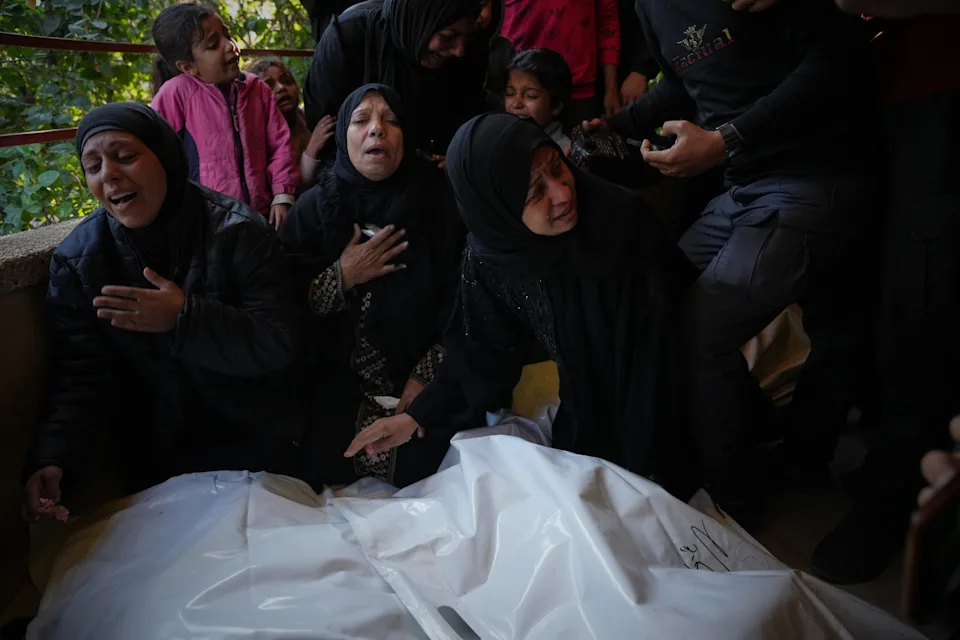
The current Gaza conflict began on October 7, 2023, when Hamas-led militants attacked southern Israel, killing approximately 1,200 people and taking over 250 hostages. Israel responded with a prolonged offensive that has killed more than 70,100 Palestinians, according to Gaza’s Health Ministry. About half of the casualties have been women and children, reflecting the conflict’s devastating humanitarian impact.
The ministry, operating under Gaza’s Hamas-run government, maintains detailed records that are generally regarded as reliable by the international community.
Conclusion
The announcement of an international governing body for Gaza and the deployment of an International Stabilization Force could mark a turning point in stabilizing the war-torn territory. However, critical issues such as disarming Hamas, ensuring Palestinian representation, and reopening borders for free movement remain unresolved. As Gaza navigates the fragile ceasefire, international diplomacy, humanitarian aid, and long-term reconstruction will be essential to preventing renewed violence and paving the way for a lasting Israel-Palestine peace process.


Leave a Reply