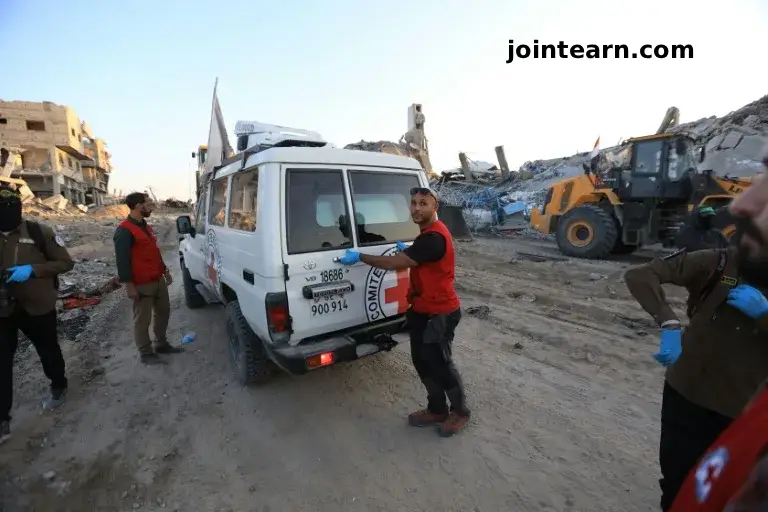
TEL AVIV / GAZA, December 4, 2025 — Israel is awaiting the return of the final hostage remains held by Palestinian militants in Gaza, as the military confirmed the identification of a Thai national’s body handed over earlier this week. The last remaining hostage in Gaza is Israeli officer Ran Gvili, whose family and the nation await his return after the devastating Hamas attack in October 2023.
The return of hostages and remains is part of the first phase of the U.S.-brokered Gaza ceasefire, which called for the release of all 48 hostages held by Hamas, 20 of whom were still alive.
Progress in Returning Hostages and Remains
Israel has received all but one of the remaining hostages’ remains. The body of Thai national Sudthisak Rinthalak, killed during the Hamas offensive on October 7, 2023, was returned and identified by Israeli authorities. Rinthalak, who worked in agriculture and was 43 at the time of his death, was officially confirmed deceased by Israel in May 2024.
The Hostages and Missing Families Forum, representing families of those taken captive, said the return offered some solace after more than two years of uncertainty and grief. Israeli Prime Minister Benjamin Netanyahu expressed solidarity with the families and coordinated with Thailand to provide assistance and benefits to Rinthalak’s relatives.
The Last Remaining Hostage: Ran Gvili
The last body yet to be returned is that of Ran Gvili, a 24-year-old officer in Israel’s elite Yasam police unit, who died defending his country during the Hamas attacks. His mother, Talik Gvili, shared a heartfelt message on social media emphasizing that Israel will continue efforts until her son is returned.
During the October 2023 attacks, Hamas took 251 people hostage, resulting in the deaths of 1,221 Israelis. Israel’s military response has killed more than 70,100 Palestinians, according to Gaza’s Health Ministry, which is staffed under Hamas authority and considered a generally reliable source by international observers.
Ongoing Violence Threatens Ceasefire
The Gaza ceasefire, which came into effect on October 10, 2025, remains fragile. Both sides have accused each other of violations:
- Gaza’s civil defense reported an Israeli strike in Al-Mawasi killing five Palestinians, including two children.
- The Israeli military reported striking a Hamas militant in response to clashes that injured five soldiers.
Since the truce, at least 366 Palestinians have been killed by Israeli fire, while Israel reports three soldier fatalities during the same period.
Public Reactions and Mourning
In Tel Aviv, Hostages Square continues to serve as a gathering point for families and citizens seeking the return of captives. Yellow ribbons and posters of Ran Gvili and Sudthisak Rinthalak symbolize Israel’s collective ordeal and ongoing hope for closure.
In Khan Yunis, Gaza, mourners gathered to bid farewell to those recently killed in strikes, highlighting the ongoing humanitarian crisis in the region. Residents pleaded for international intervention to stabilize the situation and allow the implementation of the next phases of reconstruction and peace agreements.
Path Forward for Gaza
The return of hostages is a key step toward broader peace efforts outlined in the U.S.-brokered ceasefire, which envisions:
- The deployment of an International Stabilization Force in Gaza
- Disarmament of Hamas
- Reconstruction and humanitarian aid
- Gradual restoration of freedom of movement for civilians
However, ongoing hostilities, border restrictions, and political disputes continue to complicate progress, leaving Gaza and Israel on edge as both sides prepare for the next phase of the ceasefire plan.
Conclusion
The pending return of Ran Gvili’s remains represents both a symbolic and practical milestone in the fragile Gaza ceasefire. While the first phase has allowed some closure for families and temporary reductions in violence, the path forward remains complex. Effective implementation of the next phases, including humanitarian relief, reconstruction, and eventual disarmament of militant groups, will be critical to achieving sustainable peace in the region.


Leave a Reply