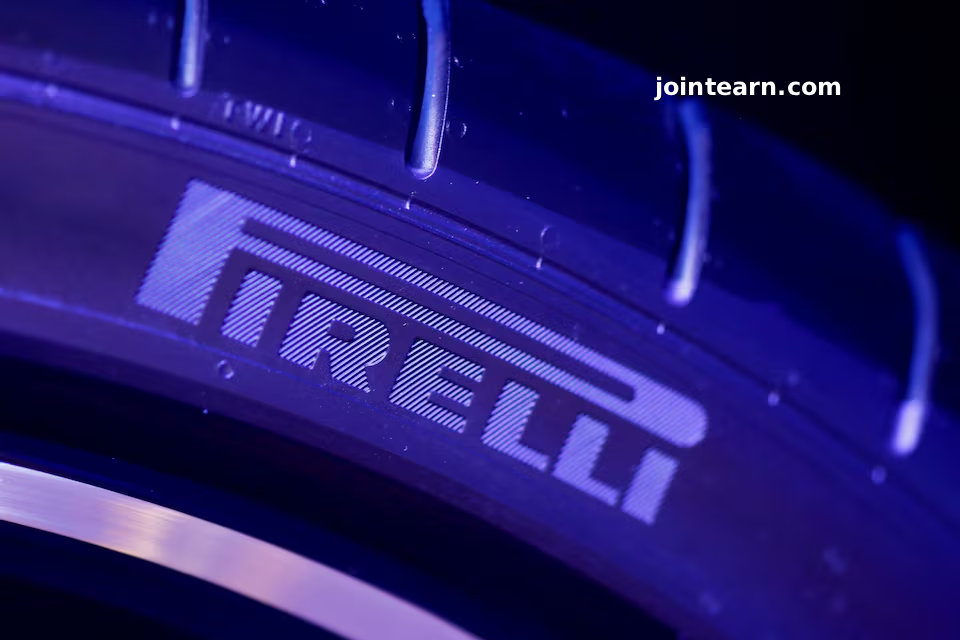
Italy and tyremaker Pirelli are reportedly exploring strategies to reduce or end the involvement of Chinese state-owned Sinochem Corporation in the Milan-based company, according to a report by the Financial Times. This development comes amid growing U.S. pressure on Chinese investment in automotive and technology sectors.
Sinochem’s Influence and Stake in Pirelli
Sinochem currently holds a 34.1% stake in Pirelli, making it the company’s largest shareholder. Italian investors, including Camfina, have expressed concerns that Sinochem’s presence could hinder Pirelli’s expansion plans in the United States, particularly as Washington enforces stricter regulations on Chinese-backed technology and hardware in the automotive sector.
In response to these concerns, Italian authorities and Pirelli management are reportedly considering fresh measures to limit Sinochem’s influence, especially in light of U.S. restrictions coming into effect in March 2026. These restrictions target Chinese investment and technology that interact with U.S. automotive systems.
Proposed Options for Divestment
Pirelli has reportedly made several proposals to Sinochem, including the potential sale of part or all of its stake in the company. However, Sinochem has not immediately engaged with these offers. Sources familiar with the discussions indicated that Sinochem may be open to bids for its stake, particularly if proposals include a premium valuation.
Recently, Sinochem appointed BNP Paribas as advisers to explore potential sale options for its Pirelli shares, signaling a willingness to consider divestment under favorable conditions. Any such transaction would have significant implications for Pirelli’s global operations, particularly in the U.S., where access to technology and automotive markets is strategically important.
U.S. Pressure and Strategic Implications
U.S. officials have actively encouraged European partners, including Italy, to curb Chinese influence in strategic industries, especially automotive and technology sectors. Pirelli, a major global tire manufacturer, has faced constraints in its U.S. expansion efforts due to Sinochem’s state-owned status, which has raised regulatory concerns in Washington.
The Italian government is now reportedly considering intervention options, seeking a solution that balances national industrial interests with international diplomatic pressures. How Italy navigates this issue may also set a precedent for European countries managing Chinese investments in critical industries.
Market Reactions and Industry Context
The potential divestment of Sinochem’s stake could significantly impact the global tire industry. Pirelli, headquartered in Milan, has long been a leader in premium tires, supplying major automotive brands worldwide. Analysts suggest that reducing Chinese state-owned influence could enhance Pirelli’s credibility in Western markets, especially in North America, while maintaining its competitiveness in Asia and Europe.
While Pirelli, Sinochem, and the Italian government have not commented officially, the Financial Times report highlights the complex interplay between investment, national interests, and geopolitical tensions. Investors and industry observers will closely monitor the situation for indications of stakeholder negotiations and potential sale agreements.
Looking Ahead: Pirelli’s Strategic Path
As discussions continue, the focus will remain on finding a mutually acceptable resolution that satisfies Sinochem’s financial interests while enabling Pirelli to pursue strategic growth in the U.S. and other key markets. Any divestment or stake restructuring could serve as a model for handling foreign state-owned investments in strategic European industries, especially amid intensifying U.S.-China economic competition


Leave a Reply