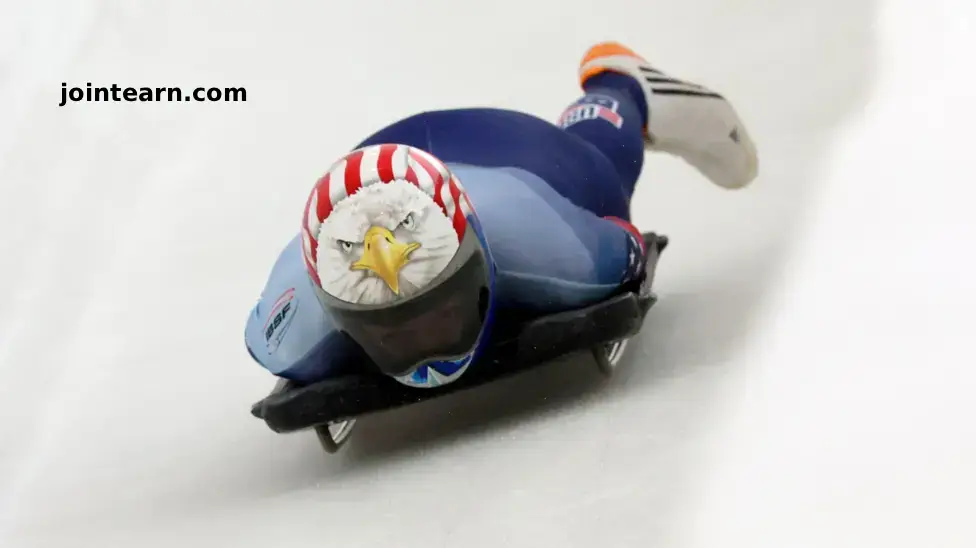
The International Bobsleigh and Skeleton Federation (IBSF) has launched an investigation after American skeleton racer Katie Uhlaender accused Canada of sabotaging her chances to qualify for the 2026 Winter Olympics.
Uhlaender, 41, a double world champion in 2012 and veteran of multiple Olympic Games, was competing at the North American Cup in Lake Placid in hopes of securing enough ranking points for a sixth Olympic appearance. However, Canada’s decision to withdraw four athletes from the event on Sunday dramatically reduced the field size, lowering the available points and ending Uhlaender’s opportunity to qualify.
Uhlaender’s Emotional Response
The US athlete, who finished fourth in the 2014 Sochi Winter Games, revealed her devastation at the news, which she says she learned about from Canadian coach Joe Cecchini on Friday. Speaking to DW, Uhlaender described her reaction:
“I cried when I found out he went through with this plan. I didn’t know if it hurt more that my friend of 20 years just nailed my coffin—my Olympic dream is over—or that my best friend of 20 years is doing something so horrible that hurts so many people.”
This statement has added to tensions between the two national programs, highlighting the personal and professional stakes in Olympic qualification events.
Bobsleigh Canada Skeleton’s Explanation
Bobsleigh Canada Skeleton (BCS) defended the withdrawal, stating it was made after careful evaluation of athlete needs and in consultation with the IBSF. A BCS spokesperson emphasized:
“The decision was based on the health, safety, and long-term development of our athletes. Continuing to race these athletes was not in their best interests, nor in the best interests of the program.”
The national body acknowledged the withdrawal had an “unintended impact on the size of the field and, consequently, the number of development points allocated” for the event. They also emphasized that development circuits are intended as training and growth environments, not direct pathways to Olympic qualification.
BCS concluded that its actions were appropriate, transparent, and aligned with athlete welfare and the integrity of skeleton racing.
IBSF Investigation Initiated
The IBSF confirmed to BBC Sport that the IBSF Integrity Unit has been asked to investigate the incident, signaling the seriousness with which the sport’s governing body is treating the matter.
A spokesperson from USA Bobsled/Skeleton welcomed the review:
“USA Bobsled/Skeleton is committed to fair play and to protecting the rights of athletes. At the same time, we recognize the importance of maintaining positive and respectful international relationships within our sport.”
The Impact on Olympic Qualification
Uhlaender had been counting on the Lake Placid event to earn crucial points before the 18 January 2026 Olympic qualification deadline. Her victory in the development race initially positioned her for potential qualification, but the reduced field size meant the points allocation no longer met the threshold required for a sixth Olympic Games appearance.
This situation has drawn attention to how national federations’ strategic decisions can impact international competition, raising questions about athlete protection, fair play, and the balance between team development and individual opportunity.
Looking Ahead
The IBSF’s investigation will determine whether the Canadian withdrawal was within regulatory boundaries and if any actions should be taken. Meanwhile, Uhlaender and other athletes affected by similar circumstances will be watching closely as the Winter Olympics in Milan-Cortina 2026 approach.
The controversy underscores the high stakes in skeleton racing, where Olympic qualification often hinges on tiny margins and strategic decisions by national programs.


Leave a Reply