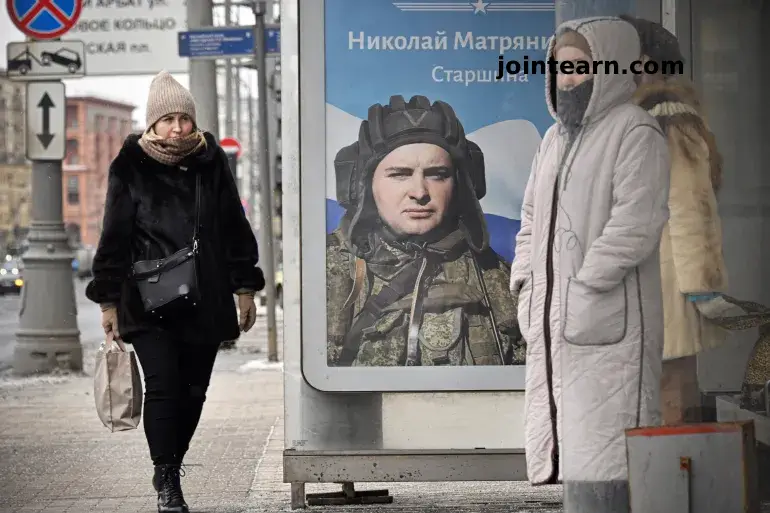
A majority of Russians anticipate that the war in Ukraine will end in 2026, according to a survey conducted by Russia’s state-owned public opinion centre, VTsIOM. The findings come as Russian forces make battlefield gains and international efforts to broker a ceasefire between Kyiv and Moscow intensify.
Russian Public Optimism on the Ukraine War
VTsIOM released its annual review of public sentiment, showing that Russians are approaching 2026 with increasing optimism, despite ongoing challenges. The survey, which polled 1,600 people, found that:
- 70% of respondents view 2026 as a potentially more successful year for Russia than 2025.
- 55% link their optimism to a possible end of the “special military operation” in Ukraine.
Mikhail Mamonov, deputy head of VTsIOM, said the main reason for optimism is the expectation that Russia will achieve the objectives outlined by the government in the ongoing conflict.
“The main reason for optimism is the possible completion of the special military operation and the achievement of the stated objectives, in line with the national interests outlined by the president,” Mamonov said.
Factors Fueling Expectations
Mamonov cited several factors that Russians believe could lead to a war conclusion:
- Ongoing Russian military advances in Ukraine.
- Washington’s reluctance to continue financing the war in Ukraine.
- European Union limitations in fully replacing U.S. support financially and militarily.
Post-war priorities, according to the survey, will include reintegration of Russian veterans and reconstruction of Russian-controlled areas in Ukraine and along Russian borders.
Public Opinion on Peace Talks
Independent polling also indicates that around two-thirds of Russians support peace negotiations, according to the Levada Centre, reflecting the highest level of support since the war began in February 2022.
Meanwhile, Ukrainian President Volodymyr Zelenskyy signaled willingness to withdraw troops from eastern Ukraine’s industrial heartland if Russia reciprocates, creating demilitarised zones monitored by international forces.
Zelenskyy emphasized that future control of the Donbas region—comprising Luhansk and Donetsk—is the most challenging aspect of any peace deal. He also suggested a similar arrangement could apply to the Zaporizhzhia nuclear power plant area, currently under Russian control.
Ongoing Military Situation
Russia has captured most of Luhansk and approximately 70% of Donetsk but has shown no willingness to withdraw from occupied territories. Moscow maintains that Kyiv must cede remaining areas in Donbas before any meaningful cessation of fighting can occur.
The Ukrainian leadership has proposed a 20-point plan, negotiated with U.S. involvement in Florida, outlining potential steps for demilitarised zones and troop withdrawals to facilitate peace talks at the leadership level.


Leave a Reply