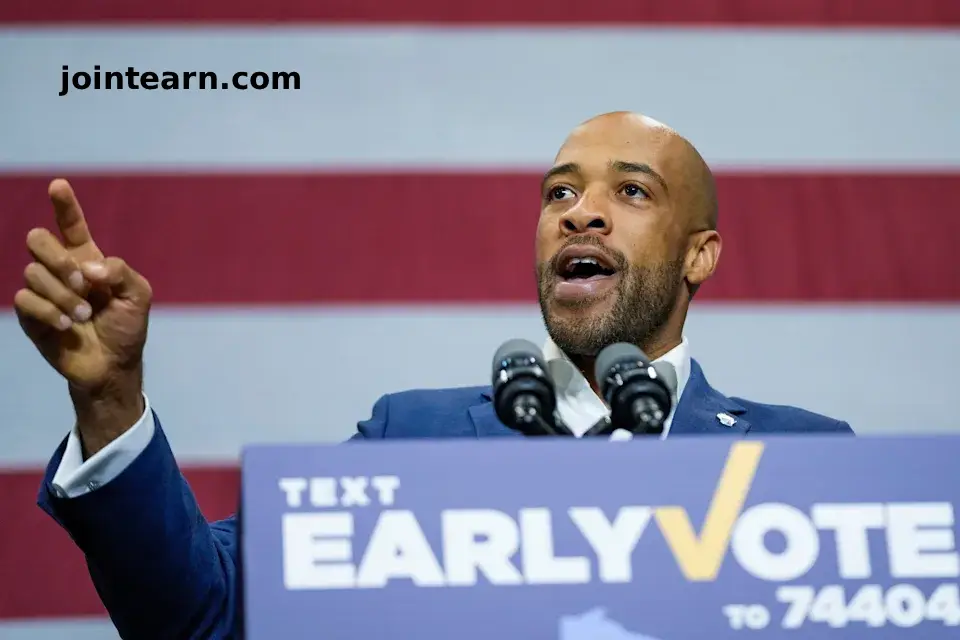
MADISON, Wis. — Democrat Mandela Barnes, former lieutenant governor of Wisconsin and 2022 U.S. Senate candidate, officially announced his candidacy for governor on Tuesday, entering what is expected to be one of the most closely watched gubernatorial races in the nation in 2026. With his strong name recognition, statewide fundraising network, and political experience, Barnes is widely seen as the presumptive front-runner in a crowded Democratic primary.
Barnes’ Political Background
Barnes served as Wisconsin’s lieutenant governor from 2018 to 2022, after winning the Democratic primary and running alongside Governor Tony Evers. In 2022, he narrowly lost his bid for the U.S. Senate to Republican incumbent Ron Johnson by just 1 percentage point, or approximately 27,000 votes. Despite the loss, Barnes maintained a high profile in Wisconsin politics and later founded Forward Together Wisconsin, a voter turnout organization, which he cites as a critical foundation for his gubernatorial campaign.
If elected, Barnes would make history as Wisconsin’s first Black governor, a milestone that adds historic significance to the 2026 race.
Political Landscape in Wisconsin
Wisconsin is a key battleground state in national politics. The state voted for Donald Trump in 2016 and 2024 and Joe Biden in 2020, with all three elections decided by margins of less than one percentage point. The narrow margins highlight the importance of appealing to independent and swing voters in statewide elections.
Barnes’ campaign messaging is designed to resonate with a broad audience. In his campaign launch video, he emphasized his father’s union roots while taking aim at Trump, saying the former president prioritizes “lower taxes for billionaires and higher prices for working people.” Barnes also positions himself as a pragmatic leader focused on the economy, cost of living, and accessibility of essential services, rather than engaging in partisan fights.
Democratic Primary Contenders
Barnes joins a crowded Democratic primary for the open governor’s seat. Other notable candidates include:
- Sara Rodriguez, current lieutenant governor
- David Crowley, Milwaukee County Executive
- Kelda Roys, state senator
- Francesca Hong, state representative
- Missy Hughes, former state economic development director
While some Democrats have expressed concern over Barnes running after his Senate loss, others view him as a strong candidate with the organizational and financial resources to win statewide elections.
Republican Candidates and the GOP Field
On the Republican side, U.S. Representative Tom Tiffany, a strong Trump ally, is considered the leading contender. He faces competition from Josh Schoemann, Washington County Executive. The GOP race is likely to focus on economic issues, taxes, and critiques of Democratic policies, while leveraging Wisconsin’s status as a battleground state.
Importance of the 2026 Wisconsin Governor Race
The 2026 race for governor is especially significant due to redistricting and legislative control. Democrats are aiming to take advantage of redrawn maps that could improve their position in the state Legislature, while Republicans aim to maintain their influence. Wisconsin’s gubernatorial race will also draw national attention, as it may provide an early signal for Democratic and Republican strategies ahead of the 2026 midterm elections.
The primary is scheduled for August 2026, which will narrow the field ahead of the general election in November 2026. Analysts note that voter turnout, swing districts, and campaign messaging will be decisive factors in determining the outcome.
Historical Context
Open gubernatorial races in Wisconsin are rare. The last such race was in 2010, when Democratic incumbent Jim Doyle opted not to seek a third term. Republican Scott Walker won that election and served two terms before being defeated by Tony Evers in 2018. The 2026 race carries similar stakes, with both historic significance and the potential to influence statewide and national political dynamics.


Leave a Reply