Moscow-US Talks on Ukraine End Without Territorial Agreement
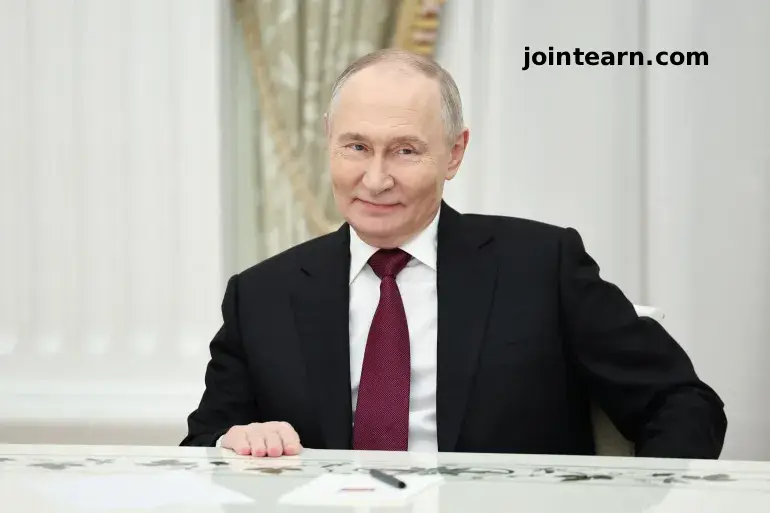
After extensive discussions in Moscow, Russian President Vladimir Putin reportedly made it clear that there would be “no compromise” on Ukrainian territory, according to senior Kremlin officials. The meeting, which lasted nearly five hours and extended past midnight, involved US special envoy Steve Witkoff and Jared Kushner, son-in-law of US President Donald Trump.
The talks aimed to explore potential solutions to end the ongoing Russia-Ukraine conflict, which has become the deadliest war in Europe since World War II. Despite constructive dialogue, top Kremlin aide Yury Ushakov noted that a resolution remains distant, emphasizing that “a lot of work lies ahead both in Washington and in Moscow.”
US Delegation Proposes Peace Plan Amid Criticism
The US delegation traveled to Moscow with an updated peace plan following the earlier controversial 28-point draft, which had drawn strong criticism from Kyiv and Western allies for appearing to favor Moscow.
The Kremlin rejected Ukraine and Europe’s counter-proposals, with President Putin consistently describing the suggestions as “unacceptable” to Russia. The ongoing diplomatic negotiations underscore the challenges in balancing territorial integrity for Ukraine with Russian demands for influence over the Donbas, Zaporizhia, and Kherson regions.
Putin’s Remarks Signal Escalation
Ahead of the talks, Putin delivered stern remarks at an investment forum, criticizing European allies of Ukraine. He stated, “They are on the side of war,” and warned that Moscow could increase attacks on Ukrainian ports, vessels, and oil tankers, following incidents near Turkey’s coast.
Putin further emphasized that Russia’s military presence in captured Ukrainian territories provides strategic leverage for future advances. Moscow currently controls over 19% of Ukraine, marking an increase in territorial gains compared to previous years, according to pro-Ukrainian maps cited by Reuters.
Kyiv and Ukrainian Leaders Respond
Ukrainian officials have expressed skepticism regarding Moscow’s intentions. Foreign Minister Andrii Sybiha accused Putin of wanting the war to continue, noting threats to Ukrainian sea ports and freedom of navigation.
Meanwhile, President Volodymyr Zelenskyy, visiting Ireland, highlighted the need for a “dignified peace”. He warned that fatigue among Kyiv’s allies could undermine the ongoing diplomatic efforts, stating that Russia aims to reduce international attention and interest in the conflict.
US Officials Face Diplomatic Challenges
President Trump acknowledged the complexity of the situation during a cabinet meeting in Washington, DC, calling the negotiations “not an easy situation” and noting the high human cost of the conflict, which results in tens of thousands of casualties each month.
Both Witkoff and Kushner may soon meet with Ukrainian officials, potentially in Brussels, signaling ongoing diplomatic momentum despite Moscow’s hardline stance.
Russian Advances and Military Pressure
Moscow claimed the capture of Pokrovsk, a city of strategic importance in the Donbas region, although Kyiv disputes the claim. Putin indicated that Russian forces could advance from this sector based on military priorities determined by the Russian General Staff.
The previous US peace draft included Russian demands for a cap on Ukraine’s army size, control over the Donbas, and recognition of Moscow’s authority in occupied regions. Kyiv has firmly rejected these terms, with Zelenskyy reiterating that maintaining Ukraine’s territorial integrity remains the primary goal in peace negotiations.
Conclusion
The latest US-Russia peace talks on Ukraine have highlighted the deep divisions between Moscow and Kyiv-backed proposals. With Russia maintaining a firm stance on territorial control and the US attempting to mediate, the future of the conflict remains uncertain. Diplomatic efforts continue to be critical in shaping a resolution that ensures both peace and Ukraine’s sovereignty.


Leave a Reply