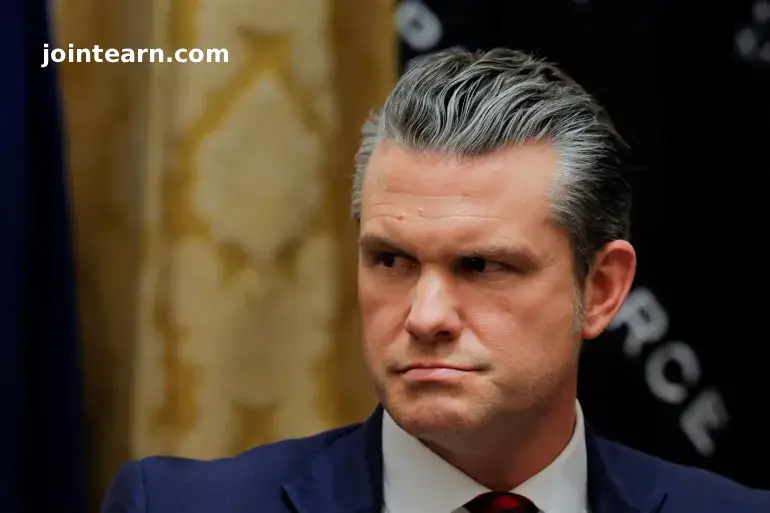
The Pentagon’s Inspector General has reportedly raised concerns over US Secretary of Defense Pete Hegseth’s use of the Signal messaging app to transmit sensitive military information, highlighting potential risks to ongoing operations and prompting calls for better training in handling classified material. The full report is scheduled for release on Thursday, 5 December 2025.
Media outlets previewed portions of the report on Wednesday, indicating that Hegseth’s use of a personal device to communicate details about military operations may have violated Pentagon policy. While the report stops short of declaring the messages classified at the time, it recommends further operational security training to prevent similar incidents in the future.
The Signal Chat Controversy
The investigation stems from a series of events in March 2025, first reported by The Atlantic. Editor-in-chief Jeffrey Goldberg described being invited to join a Signal chat that included some of the highest-ranking officials in the Trump administration. Participants reportedly included Pete Hegseth, then-Vice President JD Vance, and Secretary of State Marco Rubio.
According to reporting, the chat contained details of a March 15 airstrike on Houthi rebels in Yemen. Messages allegedly outlined timing for F-18 fighter launches, drone arrivals, and strike coordination. Critics warned that if intercepted, these communications could have endangered service members and compromised the operation.
The controversy, quickly dubbed “Signalgate”, generated widespread political backlash. Senate Democratic leader Chuck Schumer called it “one of the most stunning breaches of military intelligence in recent years,” while others voiced concern about foreign operatives potentially accessing sensitive information.
Hegseth and Administration Response
Hegseth’s office, represented by spokesperson Sean Parnell, emphasized that the Inspector General report cleared the Secretary of Defense of wrongdoing. Parnell stated:
“The Inspector General review is a TOTAL exoneration of Secretary Hegseth and proves what we knew all along – no classified information was shared. This matter is resolved, and the case is closed.”
The spokesperson also cited the successful execution of Operation Rough Rider—the Yemen bombing campaign—as evidence that no troops were endangered by the Signal messages.
President Donald Trump similarly defended Hegseth, calling the scandal a “witch-hunt” and questioning whether Signal itself was “defective.” Administration officials have repeatedly insisted that the case should be considered closed, and Hegseth has not faced any public disciplinary action.
Inspector General Review and Recommendations
The Pentagon’s acting Inspector General, Steven Stebbins, launched the probe in April following concerns from Congress and the Senate Armed Services Committee. Stebbins’ evaluation aimed to determine compliance with Department of Defense policies on commercial messaging applications, as well as classification and records retention requirements.
The report highlights the following key points:
- Hegseth used a personal device for official communications, which could violate Pentagon rules.
- The Inspector General did not determine whether the information transmitted was classified, as Hegseth has the authority to set classification levels.
- Recommendations include enhanced training on operational security and sensitive information handling for DoD personnel.
Stebbins took office in January 2025 after the Trump administration dismissed several inspectors general, including Hegseth’s predecessor, Robert Storch, raising concerns about oversight continuity.
Political Fallout and Congressional Scrutiny
The Signal chat incident prompted immediate political reactions. House Oversight Committee ranking Democrat Gerald Connolly (deceased) called for an investigation, warning that the messages could compromise military personnel and expose US intelligence to adversaries.
Despite criticism, Hegseth’s defenders argue that the operational success of subsequent missions proves that no harm occurred. Still, the case has raised broader questions about the use of encrypted messaging apps by senior military officials, operational security protocols, and accountability in high-level government communications.


Leave a Reply