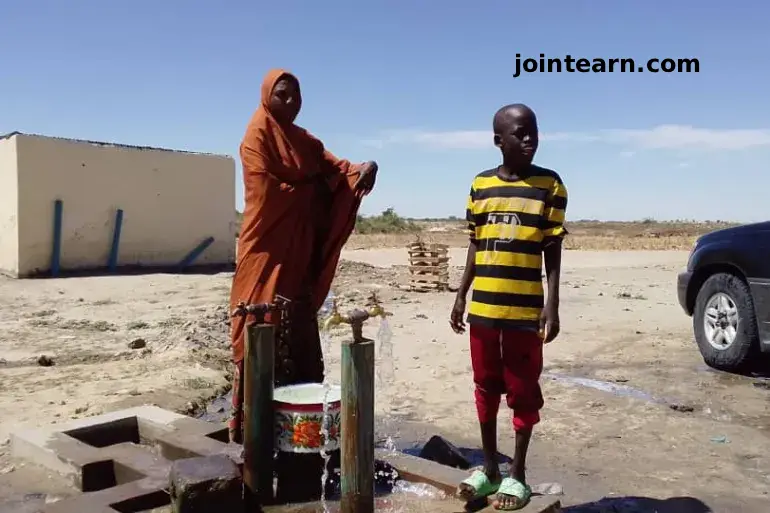
Malam Fatori, Borno State, Nigeria — Over a decade has passed since Isa Aji Mohammed lost four of his children in a single night during a violent attack by Boko Haram fighters in his hometown of Malam Fatori, located in Nigeria’s northeast Borno State. Despite such harrowing experiences and continuing threats from armed groups, Isa and thousands of other displaced residents have begun returning to their devastated town, driven by the desire to reclaim their homes, land, and livelihoods.
“We ran with nothing,” Isa, now 65, recounted as he stood on the dry soil of his farm, once fertile land that sustained his family and provided surplus produce for sale in neighboring Niger. “For more than 10 years, we slept in relatives’ homes. I felt like a stranger in my own country.”
A Decade of Displacement
Before the attack, Isa’s farm yielded hundreds of bags of rice, maize, and beans annually. But after the devastating night, he and his family fled across the border, spending years in displacement camps in Niger and other parts of Borno State. For many, life in the camps was marked by uncertainty, overcrowding, and limited access to essential services.
Last year, Isa joined a government-led resettlement program that encouraged former residents to return to Malam Fatori. The initiative has seen thousands of displaced families relocating back to towns like Malam Fatori, motivated by the hope of rebuilding their homes and livelihoods despite ongoing security risks.
The Town Today: Scarred but Resilient
Malam Fatori lies on Nigeria’s northeastern frontier, near the border with Niger. A decade ago, the town thrived with bustling markets, productive farmland, and irrigation canals that ensured consistent agricultural yields. Today, much of the town is in ruins. Roofless mud-brick homes, cracked walls, and overgrown fields testify to the years of abandonment.
Yet, signs of revival are emerging. Small plots of millet and sorghum have been cleared, irrigation channels are being reopened, and some homes have been patched with scrap materials. Families return cautiously, often working close to the town rather than venturing into unsafe farmland further out.
“Every broken wall tells a story of loss, and every newly planted seed signals our determination,” Isa said, reflecting the quiet resilience of Malam Fatori’s returnees.
Security Concerns: Living Between Two Pressures
While the Borno State government hails the returns as a success, with over 5,000 households resettled in Malam Fatori and the town’s total population exceeding 20,000, security remains a daily concern. Armed patrols, checkpoints, and observation posts are stationed throughout the town to deter attacks and reassure residents.
Still, fighters from the Islamic State West Africa Province (ISWAP) reportedly operate just two kilometers from the town, using swampy terrain as cover. Farmers face curfews, restricted movement, and mandatory military escorts when accessing farmland, while fishing in Lake Chad requires permits due to security risks.
“Here in Malam Fatori, we live under two pressures,” said resident Babagana Yarima. “Boko Haram dictates our safety, and the military dictates our movement.”
Agricultural access is limited, food prices have doubled in some cases, and many families now eat only two meals a day. Malnutrition, particularly among young children, remains a critical concern, compounded by irregular humanitarian aid and minimal local health services.
Rebuilding Livelihoods and Community
Despite these challenges, residents are slowly reviving their community. Farmers work collectively to restore crops, while women organize cooperatives to produce mats and groundnut oil for local sale. Fishermen cautiously repair canoes and mend nets, adhering to security regulations. Bricklayers rebuild homes, and a small clinic provides essential healthcare, though resources remain stretched.
Education is also a priority. Children attend classes in outdoor spaces due to insufficient classrooms, while soldiers occasionally assist teachers in providing basic lessons, blending security with civic support.
Returning for Belonging, Not Safety
For many, including Isa and Bulama Shettima, returning to Malam Fatori is not just about survival—it’s about reclaiming their identity, history, and future. Bulama, who lost two sons to ISWAP before one was deradicalized through a government program, works small plots of land while running a modest business to support his family.
“Returning wasn’t about safety,” Bulama explained. “It was about belonging. This land contains our history. This land contains our grief. This land contains our future.”
Despite the lingering presence of armed groups and ongoing insecurity, residents remain committed to rebuilding their homes, farms, and community. For many, the act of returning is a testament to human resilience and hope amidst adversity.
The Humanitarian Perspective
The United Nations has cautioned that returns must be safe, voluntary, and sustainable. UN representatives stress that resettlement programs should ensure access to basic services, secure livelihoods, and protection from ongoing violence. For Malam Fatori, balancing these conditions with the residents’ determination to return presents a delicate challenge for authorities and humanitarian agencies alike.


Leave a Reply