India’s robust domestic economy and a smaller-than-expected impact from U.S. tariffs are giving New Delhi significant leverage in ongoing trade negotiations with Washington, sources and analysts say. The U.S. has imposed tariffs of up to 50% on Indian imports, yet the country’s exporters have cushioned much of the impact through market diversification, pricing strategies, and government support measures.
Export Performance and Tariff Impact
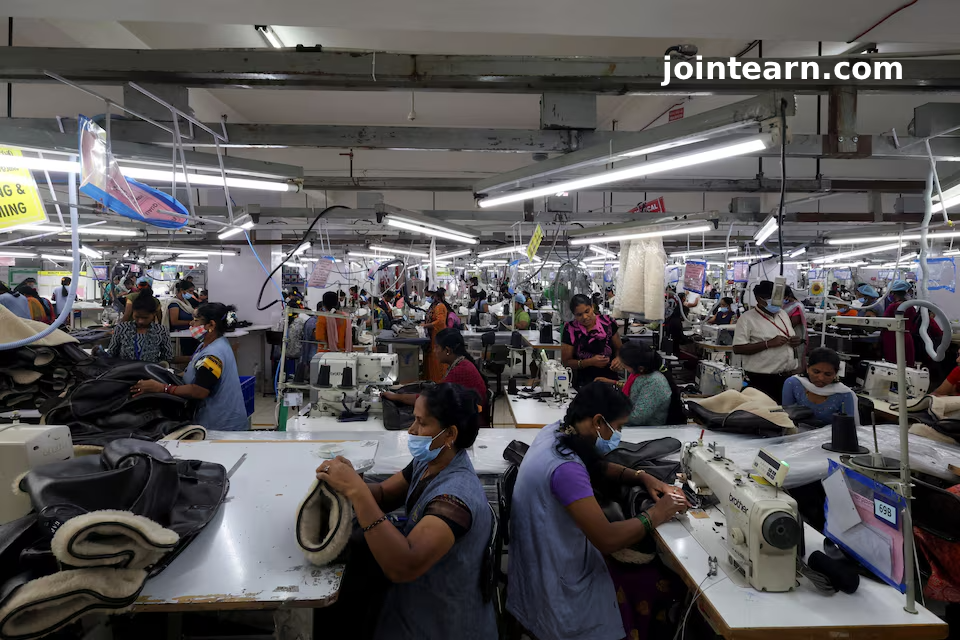
In October 2025, India’s exports to the United States declined 8.6% year-on-year to $6.3 billion, a smaller drop compared to a 12% fall in September. Despite the tariffs, several sectors, including textiles and apparel, have found ways to maintain U.S. client relationships by offering discounts of 10–20% and extended delivery timelines.
Indian officials noted that the broader economic impact of the tariffs has been limited, providing negotiators space to reach a favorable trade deal. “For now, we’ve avoided the worst impact of the 50% U.S. tariffs,” said a senior government official who requested anonymity.
Government Support and Domestic Resilience
India has implemented multiple measures to support exporters and maintain competitiveness, including:
- Diversification into new markets such as Africa, Europe, the U.K., UAE, and Australia.
- Tax cuts on raw materials and consumer items, boosting domestic demand.
- A $5.1 billion export support package for key sectors.
- Targeted central bank measures, including short-term loan moratoriums for affected exporters.
These steps have allowed many Indian firms to absorb costs while staying competitive internationally. Apparel and footwear companies, for example, are absorbing up to 20% of costs to retain U.S. buyers, according to Ajay Sahai, Director General of the Federation of Indian Export Organisations.
Growth Outlook and Market Dynamics
India’s domestic economy remains strong, growing at an annual 7% in the July-September quarter, with full-year expansion expected at 6.8%, according to the Reserve Bank of India. This economic resilience provides India with negotiating leverage in discussions with the United States, while allowing it to protect sensitive sectors like agriculture.
However, exporters are facing intensifying competition from China, which continues to flood global markets with cheaper goods. Indian exports to non-U.S. markets fell 12.5% year-on-year in October, outpacing the decline to the U.S., highlighting the challenges posed by overcapacity and competitive pricing from Chinese producers.
Trade Negotiation Outlook
Sources indicate that India is prepared to wait for a mutually beneficial deal, expecting Washington to eventually reduce tariffs linked to Russian oil purchases from 25% to 15%, while New Delhi may cut import tariffs on over 80% of goods. Meanwhile, the government is helping exporters navigate market uncertainties through diversification strategies and fiscal support, ensuring that India remains competitive even under challenging international trade conditions.


Leave a Reply