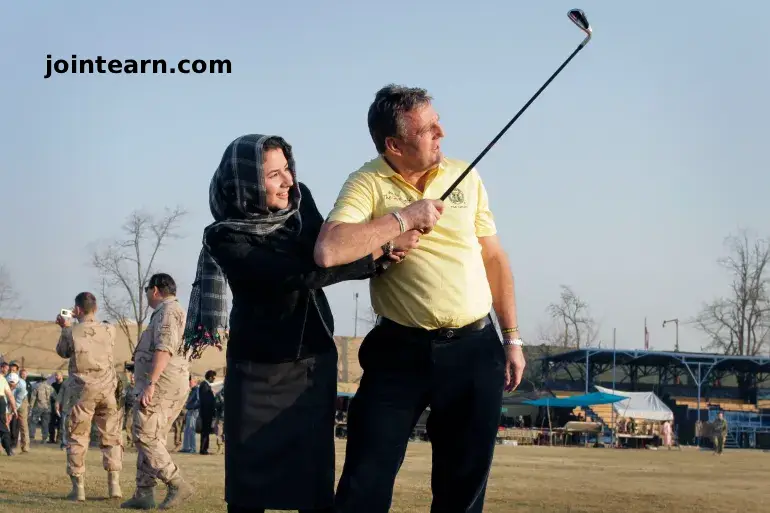
Afghan girls and women have faced severe restrictions under Taliban rule, yet ongoing discussions with the International Olympic Committee (IOC) may offer a pathway to change. Afghanistan’s International Olympic Committee member Samira Asghari, who has lived in exile twice, emphasizes that the Taliban must respect women’s rights to education and sports if they hope to gain international legitimacy.
Afghan Women and Girls Face Severe Restrictions
Since returning to power, the Taliban have imposed strict limitations on Afghan women and girls. Girls are banned from attending schools beyond the age of 12, while women are largely excluded from public service roles, professional jobs, and sports participation. These restrictions have sparked international concern, highlighting the urgent need for advocacy and reform.
Asghari, a 31-year-old former international basketball player, acknowledges the challenges of championing women’s rights in this environment. She emphasizes that “beating the drum for Afghan women’s sport does require certain precautions,” but she remains committed to advocating for women and girls both inside and outside Afghanistan.
The Role of the IOC in Engaging with the Taliban
As Afghanistan’s first female IOC member since 2018, Asghari has taken an active role in bridging communication between the IOC and Taliban authorities. She believes that dialogue, rather than isolation, is essential to secure opportunities for young Afghan girls.
“As long as the Taliban remain the reality on the ground in Afghanistan, we cannot afford to waste time doing nothing,” she told AFP.
Her efforts focus on ensuring that girls in primary schools, who are still permitted to attend up to sixth grade, can access sports programs safely. While Asghari stresses that engagement with the Taliban is not about legitimizing their government, she believes that constructive dialogue can create real opportunities for future generations of Afghan girls and boys.
Afghan Women Athletes Abroad
Many Afghan sportswomen are currently based abroad due to the Taliban’s restrictions. Afghan Women United, a team composed of players living in Europe and Australia, recently participated in FIFA Unites: Women’s Series 2025 in Morocco, showcasing the resilience and talent of Afghan female athletes.
Asghari hopes that international organizations such as FIFA will align their efforts with the IOC’s ongoing dialogue with the Taliban. “This support for athletes outside Afghanistan is just the first step,” she says.
Small Openings Could Prevent Another Lost Generation
During her first period of exile in Iran, Asghari witnessed the long-term impact of the Taliban’s earlier rule from 1996 to 2001. Many women were deprived of education, creating a “lost generation” who struggled to reintegrate into society. She recalls sitting in a sixth-grade class next to a 20-year-old woman who had missed years of schooling due to Taliban restrictions.
For Asghari, even small breakthroughs, such as developing sports programs for primary school girls, are vital. “We have to work with reality while continuing to push for fundamental change,” she explains.
Her hope is that incremental progress can prevent Afghan girls and women from losing out on crucial educational and sporting opportunities. “The future of Afghanistan is this young generation. We need to give them every opportunity we can, no matter how small, and never, ever give up on them,” Asghari concludes.
International Engagement is Key
The ongoing Taliban-IOC discussions represent a potential turning point in the fight for women’s rights in Afghanistan. Through continued engagement, dialogue, and advocacy, international bodies can help ensure that Afghan women regain access to education and sports, fostering a new generation of empowered female athletes and students.


Leave a Reply