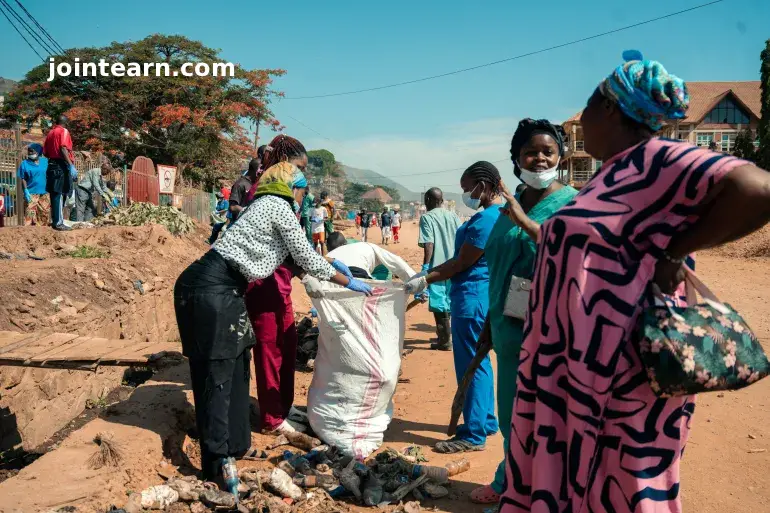
A fragile calm has returned to Uvira, a key city in eastern Democratic Republic of the Congo (DRC), after its capture by M23 rebels earlier this week. Residents are cautiously emerging from their homes following the takeover, which has raised concerns over the collapse of a recent U.S.-brokered peace agreement between Congolese and Rwandan leaders.
M23 Capture and Civilian Impact
The M23 offensive, launched on December 2 in South Kivu province along the Burundian border, follows the group’s earlier seizure of Goma and Bukavu in January and February. According to local authorities, at least 400 civilians, including children, have been killed during the fighting between Bukavu and Uvira.
Residents who fled the city as the Rwanda-backed militia advanced are now returning, though many businesses and shops remain closed. Al Jazeera correspondent Alain Uaykani described the atmosphere as an uneasy calm, with visible signs of intense combat across the city.
Bienvenue Mwatumabire, a local resident, said: “People are coming out, they feel the fear is behind them… today we have noticed things are getting back to normal.” Another resident, Baoleze Beinfait, added, “We will see how things are in the coming days.”
M23’s Justification and Rwandan Involvement
M23’s spokesperson claimed the group had “liberated” Uvira from “terrorist forces”, asserting that their offensive was aimed at protecting ethnic Tutsi communities in eastern DRC. The offensive has displaced more than 200,000 people across South Kivu province.
South Kivu officials and U.S. authorities have accused Rwanda of actively supporting the offensive with special forces and foreign mercenaries, in violation of both the Washington-mediated peace accord and earlier ceasefire agreements.
At the United Nations Security Council (UNSC), U.S. Ambassador Mike Waltz condemned Rwanda for contributing to regional instability, claiming 5,000–7,000 Rwandan troops were involved alongside M23 in the Uvira operation. Rwanda’s UN ambassador denied the allegations, insisting their troops were deployed to safeguard national security against Hutu militia groups.
Regional Tensions and Humanitarian Concerns
The capture of Uvira has heightened security concerns in Burundi, which has deployed forces near the border. More than 30,000 Congolese refugees have crossed into Burundi in recent days.
The DRC foreign minister urged the UNSC to hold Rwanda accountable, emphasizing that “impunity has gone on for far too long.” The American Enterprise Institute’s Critical Threats project described the Uvira offensive as M23’s most consequential operation since March, highlighting the strategic importance of the city in eastern DRC.
Eastern DRC remains highly contested, with over 100 armed groups vying for control of the mineral-rich region. The conflict has created one of the world’s largest humanitarian crises, displacing more than seven million people.
Peace Talks and International Response
M23 is not party to the Washington-mediated negotiations between the DRC and Rwanda. Instead, the group is engaged in separate talks with the Congolese government, hosted in Qatar.
U.S. Secretary of State Marco Rubio called Rwanda’s actions a “clear violation” of the peace deal, pledging that the United States would act to uphold the promises made during the accord. Experts briefed to the UNSC noted that civilians in eastern DRC have largely not benefited from recent agreements, leaving the population vulnerable to continued violence.
Conclusion
The fall of Uvira underscores the fragility of peace in eastern DR Congo. Despite international efforts and U.S.-led mediation, Rwanda-backed M23 forces continue to assert control, displacing tens of thousands and raising regional tensions. The situation highlights ongoing challenges in stabilizing one of the world’s most conflict-prone and mineral-rich regions.


Leave a Reply